Dental Materials Used in Albania: Are They the Same as in Italy?
When Italian patients consider dental treatment abroad, one of the first and most legitimate concerns is the quality of materials. A common question is:
“Are the dental materials used in Albania really the same as those used in Italy?” Dental materials are not a minor detail. They directly influence treatment safety, durability, biocompatibility, and long-term oral health. This article explains, from a clinical and regulatory perspective, which dental materials are used in Albania, how they compare with those used in Italy, and what Italian patients should verify before choosing a dental clinic.
Why dental material quality matters so much to Italian patients
In Italy, dentistry is associated with high professional standards, strict regulations, and advanced materials—but also with high costs and long waiting times. When patients start exploring dental care abroad, concerns naturally arise about whether lower prices mean compromised quality.
In reality, dental material quality is not determined by geography, but by regulatory compliance, sourcing, and clinical protocols. When these elements are respected, the materials used abroad can be identical to those used in Italy.
At Tirana Health Clinic, dental treatments are performed using CE-certified materials from internationally recognized manufacturers. These are the same categories of materials commonly used in Italian dental clinics, selected for safety, durability, and clinical reliability.
Are dental materials in Albania regulated in the same way as in Italy?
Yes. Dental materials used in Albania must comply with European CE certification standards, which regulate medical devices throughout Europe. CE marking is mandatory for dental implants, prosthetic components, crowns, veneers, bonding agents, and surgical instruments.
This regulatory framework ensures that materials meet strict requirements for biocompatibility, mechanical strength, and manufacturing quality. The same CE regulations apply in Italy, meaning that a CE-certified implant or crown used in Albania must meet identical safety criteria.
Clinics that follow these regulations are required to maintain detailed documentation, sterilization protocols, and full material traceability. This level of oversight is fundamental for patient safety and long-term treatment success.
What types of dental materials are commonly used in modern Albanian clinics?
Understanding the materials used helps patients evaluate treatment quality based on facts rather than assumptions.
Restorative and prosthetic materials
High-quality clinics use advanced ceramics such as zirconia and lithium disilicate for crowns, bridges, and veneers. These materials are valued for their strength, natural aesthetics, and excellent tissue compatibility. They are widely used in Italy and across Europe for both functional and cosmetic dentistry.
Dental implants and surgical components
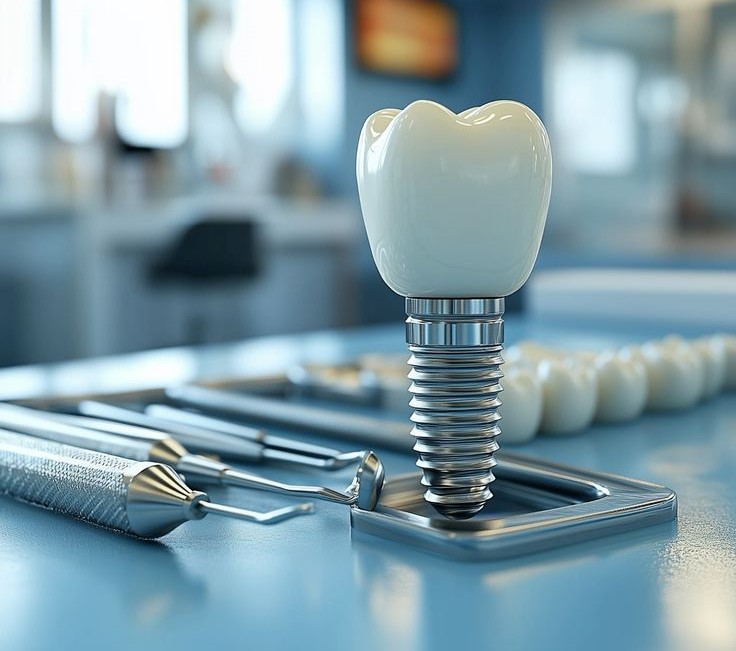
Dental implants are typically made from medical-grade titanium or titanium alloys. These materials are internationally recognized for their ability to integrate with bone tissue and provide long-term stability. The implant systems used in Albania follow the same material standards as those used in Italian implantology.
Adhesives and bonding systems
Modern dentistry relies heavily on high-performance bonding agents and cements. CE-certified adhesives are used to ensure that restorations remain stable over time, reducing the risk of detachment, leakage, or premature failure.
Why dental treatments cost less if the materials are the same
One of the most common misunderstandings is that lower prices must mean lower-quality materials. In practice, the cost difference is structural, not medical.
Lower operational expenses, reduced labor costs, and more efficient clinic management allow Albanian dental centers to offer treatment at significantly lower prices. Importantly, these savings do not require compromising on materials or safety standards.
Italian patients benefit from the same material quality while paying less due to differences in overhead, taxation, and operational costs—not because corners are being cut.
How clinics ensure material safety and full traceability
Reputable dental clinics maintain full traceability for all materials used. This means that every implant, crown, or prosthetic component can be traced back to its manufacturer, batch number, and certification documentation.
This system is essential for patient safety and long-term follow-up. It allows dentists to provide accurate documentation if future maintenance or adjustments are needed, either in Albania or after returning to Italy.
Clinics that cannot provide this level of documentation should be approached with caution.
How Italian patients can verify dental material quality
Confirm that all materials are CE-certified
Ask for documentation for implants and prosthetic components
Verify the use of internationally recognized manufacturers
Ensure sterilization follows European medical protocols
Communicate directly with Italian-speaking medical staff
Communication and trust: the role of Italian-speaking staff
Dental treatments involve technical explanations and informed consent. Language barriers can create uncertainty and misunderstandings, especially when discussing material choices and long-term outcomes.
At Tirana Health Clinic, doctors and patient coordinators speak fluent Italian, allowing patients to ask detailed questions about materials, procedures, and durability. Clear communication builds trust and ensures that patients fully understand their treatment options before making decisions.
Proximity to Italy: why location matters for dental care
Another important reassurance for Italian patients is proximity. Tirana is approximately one hour by direct flight from Italy, making travel quick and manageable.
This short distance simplifies treatment planning, follow-up visits, and recovery logistics. Patients can return home shortly after treatment without the stress associated with long-distance medical travel.
What happens after returning to Italy?
After returning to Italy, patients are not left without support. Clinics that treat international patients provide structured follow-up, including access to medical documentation, remote communication, and guidance for long-term oral care.
This continuity of care is essential for reassurance and ensures that patients feel supported beyond the initial treatment phase.
Conclusion: Same materials, same standards, informed choices
Dental materials used in Albania are the same as those used in Italy when treatment is performed in a properly regulated clinic. CE certification, European medical standards, and transparent sourcing ensure safety, durability, and reliability.
For Italian patients, understanding how dental materials are regulated removes uncertainty and allows for confident decision-making. When quality, communication, and standards align, dental treatment in Albania becomes a medically sound and responsible choice.
FAQs
Are dental implants used in Albania really the same as those in Italy?
Can I ask for documentation of the materials used in my treatment?
Do lower prices mean lower-quality dental materials?
Are crowns and veneers made with the same ceramics as in Italy?
Is sterilization handled according to European standards?
What if I need dental follow-up after returning to Italy?
How can I verify that a clinic follows CE standards?
You can ask directly about CE certification, request documentation, and confirm the use of internationally recognized brands.
Is communication easy for Italian patients in Albania?
Yes. Many clinics treating Italian patients have Italian-speaking doctors and coordinators to ensure clear communication.
© 2025 Tirana Health Clinic. All Rights Reserved.