Dental Veneers vs Crowns: Which Option Is Better for Italians?
For many Italian patients considering dental treatment abroad, choosing between dental veneers and dental crowns can feel overwhelming. Both options are widely used to restore the appearance of teeth, yet they serve different medical purposes and are appropriate in different clinical situations.
When treatment is planned outside Italy, patients often have additional concerns. Questions about material quality, long-term durability, and whether the recommendation is truly medical rather than commercial are common. This article explains, in clear and clinical terms, the differences between veneers and crowns, when each option is appropriate, and how Italian patients can make a safe and informed decision when considering treatment in Albania.
Why choosing between veneers and crowns is a medical decision
Many Italian patients initially focus on cost. In Italy, veneers and crowns are often associated with high prices and long waiting lists, which naturally encourages patients to explore treatment abroad. However, the choice between veneers and crowns should never be based on price alone.
Veneers and crowns address different clinical needs. Choosing the wrong solution can weaken a tooth, shorten the lifespan of the restoration, or lead to further dental problems. A responsible clinic evaluates tooth structure, bite function, and long-term prognosis before recommending either option.
At Tirana Health Clinic, treatment planning follows European clinical guidelines and prioritizes conservative dentistry whenever possible, using CE-certified materials and evidence-based protocols.
What are dental veneers and when are they recommended?
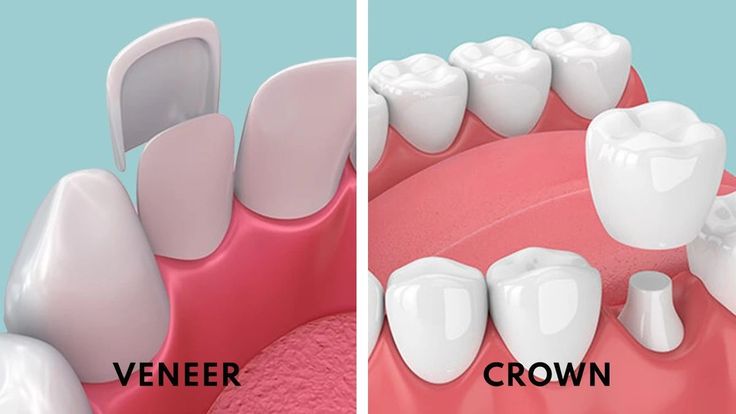
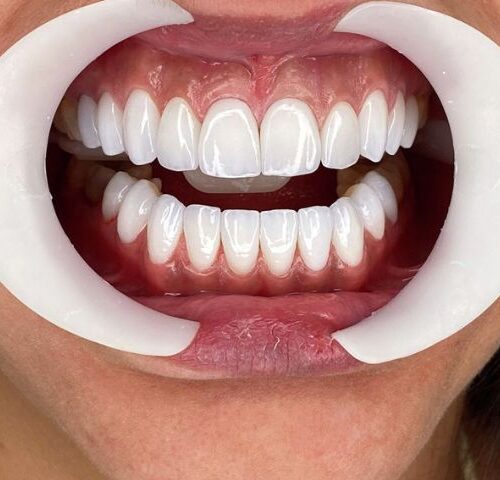
Dental veneers are thin ceramic shells bonded to the front surface of the teeth. Their primary purpose is aesthetic improvement rather than structural reinforcement. Veneers are typically used to correct discoloration, minor shape irregularities, small gaps, or mild misalignment.
Because veneers require minimal tooth reduction, they are considered a conservative option when the natural tooth structure is healthy and strong. They preserve most of the original enamel, which is important for long-term oral health.
However, veneers are not suitable for teeth that are heavily filled, cracked, or structurally compromised. In these cases, veneers may not provide sufficient support and could fail prematurely.
What are dental crowns and when are they necessary?
Dental crowns cover the entire tooth, restoring both its appearance and its strength. Unlike veneers, crowns are used when a tooth is weakened by decay, large restorations, fractures, or after root canal treatment.
Crowns are designed to withstand higher chewing forces and protect the underlying tooth from further damage. This makes them the preferred option for teeth that require structural reinforcement rather than purely cosmetic correction.
The trade-off is that crowns require more tooth preparation. For this reason, crowns are recommended only when medically necessary, not as a first option for cosmetic changes.
Are the materials used in Albania the same as in Italy?
One of the most frequent concerns among Italian patients is whether lower prices abroad mean lower-quality materials. In properly regulated clinics, this is not the case.
Reputable dental clinics in Albania use CE-certified ceramics, such as zirconia and lithium disilicate, for both veneers and crowns. These materials are identical to those used in Italy and throughout Europe and are regulated under the same European medical device standards.
Material quality depends on the clinic’s sourcing and protocols, not on the country itself. CE certification ensures safety, biocompatibility, and long-term performance.
Why veneers and crowns cost less in Albania
The lower cost of dental treatment in Albania does not come from reduced material quality. Instead, it reflects differences in operational expenses, labor costs, and clinic overhead.
Italian patients benefit from the same materials and clinical standards while paying less due to structural cost differences. Shorter waiting times and more flexible scheduling further improve access to care without compromising safety.
How a proper evaluation determines veneers versus crowns
A correct treatment decision begins with a comprehensive dental evaluation. This includes assessing enamel thickness, tooth vitality, bite alignment, and the presence of existing restorations.
Clinics that follow medical ethics explain clearly why a veneer or crown is recommended, including the advantages, limitations, and long-term implications of each option. For Italian patients, this explanation is essential to making an informed choice.
At Tirana Health Clinic, doctors and patient coordinators speak fluent Italian, ensuring that patients fully understand the medical reasoning behind the proposed treatment plan.
Choosing between veneers and crowns safely
Veneers are suitable for healthy teeth with aesthetic concerns
Crowns are necessary for teeth that are structurally weakened
CE-certified materials must be used in both treatments
The recommendation should be based on tooth health, not cost
Clear explanations in Italian support informed consent
Why Albania is a practical option for Italian patients
Another key reassurance is proximity. Tirana is approximately one hour by direct flight from Italy, making travel quick and manageable.
This short distance allows Italian patients to receive treatment abroad without the challenges associated with long-distance medical travel. Follow-up communication and additional visits remain simple and accessible.
What happens after treatment when returning to Italy?
After returning to Italy, patients receive complete documentation of the treatment performed and the materials used. Reputable clinics also provide remote follow-up support and long-term care instructions.
This continuity of care helps patients feel secure and supported even after leaving Albania, which is especially important for restorative dental procedures.
Conclusion: The best choice depends on your tooth, not the trend
There is no universally “better” option between dental veneers and crowns. The correct choice depends on the condition of the tooth, functional needs, and long-term oral health goals.
When treatment is planned according to European standards, using CE-certified materials and transparent medical reasoning, Italian patients can confidently choose dental care abroad. Education and clarity—not sales pressure—are the foundation of safe and successful dental treatment.
FAQs
Are dental veneers or crowns more durable in the long term?
Do veneers damage the natural tooth more than crowns?
Can veneers be placed on teeth that already have large fillings?
Are the materials used for veneers and crowns in Albania CE-certified?
Yes. Materials such as zirconia and lithium disilicate are commonly used in both countries.
Is the aesthetic result different between veneers and crowns?
Can I mix veneers and crowns in the same treatment plan?
How long do veneers and crowns usually last?
What happens if I need follow-up care after returning to Italy?
© 2025 Tirana Health Clinic. All Rights Reserved.