Dermal Fillers vs. Skin Boosters: Which One Is Right for Your Skin Type?
Choosing between dermal fillers and skin boosters is a common dilemma for patients seeking non-surgical facial rejuvenation. For many Italian patients, the decision is further complicated by high treatment costs in Italy, long waiting lists, and uncertainty about receiving the same level of medical quality abroad. Understanding the medical purpose, benefits, and limitations of each treatment is essential to achieving safe, natural, and satisfactory results.
This guide explains the clinical differences between dermal fillers and skin boosters, helping patients make informed choices while considering treatment in Albania under European medical standards.
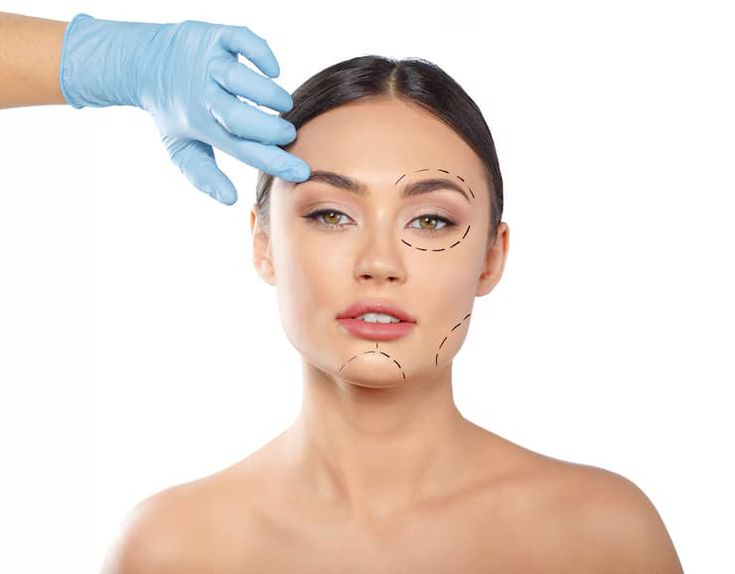
What Is the Medical Difference Between Dermal Fillers and Skin Boosters?
Dermal fillers and skin boosters are injectable aesthetic treatments, often based on hyaluronic acid, but they serve distinct medical and cosmetic purposes. The main difference lies in how they interact with the skin and underlying tissues.
Dermal fillers are designed to replace lost volume and provide structural support to the face. Skin boosters, by contrast, work within the skin layers to improve hydration, elasticity, and overall skin quality without altering facial shape.
Understanding this difference is critical to avoiding unrealistic expectations and selecting the correct treatment based on individual skin needs rather than trends.
What Are Dermal Fillers Used For?
Dermal fillers are classified as medical devices and contain cross-linked hyaluronic acid with a dense consistency. This allows them to lift tissue, reshape contours, and smooth deeper wrinkles.
They are commonly used to restore volume in areas affected by aging, such as the cheeks, jawline, chin, and nasolabial folds. Dermal fillers are most suitable for patients who show visible signs of volume loss, facial sagging, or structural changes related to aging.
Results are visible immediately after treatment, although final outcomes settle within a few days as swelling subsides.
Who Is an Ideal Candidate for Dermal Fillers?
Patients who benefit most from dermal fillers typically experience moderate to advanced aging changes, including facial hollowing or loss of definition. A medical consultation is necessary to assess facial anatomy and determine appropriate injection points.
What Are Skin Boosters and How Do They Work?
Skin boosters use a lighter, non-cross-linked form of hyaluronic acid that spreads evenly within the dermis. Instead of lifting the skin, they improve hydration from within and stimulate collagen production over time.
They are commonly used on the face, neck, décolleté, and hands, especially in patients with dehydrated, dull, or tired-looking skin. Skin boosters do not change facial structure and are therefore preferred by patients seeking subtle, natural improvement.
Results develop gradually over several weeks and usually require a treatment cycle followed by maintenance sessions.
When Are Skin Boosters the Better Choice?
Skin boosters are ideal for patients with early signs of aging, fine lines, reduced elasticity, or skin dehydration. They are also suitable for younger patients who want preventive skin care rather than structural correction.

Dermal Fillers vs Skin Boosters – Clinical Comparison
| Medical Aspect | Dermal Fillers | Skin Boosters |
|---|---|---|
| Primary purpose | Restore volume and reshape facial contours | Improve hydration and skin quality |
| Effect on facial structure | Yes, structural and volumizing | No structural change |
| Type of hyaluronic acid | Dense, cross-linked | Light, non-cross-linked |
| Results visibility | Immediate | Gradual |
| Best suited for | Volume loss, deep wrinkles | Dehydrated skin, fine lines |
| Maintenance | Every 6–18 months | Regular maintenance sessions |
How to Choose the Right Treatment for Your Skin Type
Selecting the correct treatment depends on skin condition, facial anatomy, and aesthetic goals rather than age alone. A professional medical evaluation helps identify whether the primary concern is volume loss or skin quality.
Key decision factors include:
Degree of facial volume loss
Skin hydration and elasticity
Desired visibility of results
Long-term maintenance expectations
In some cases, a combined approach using both treatments may offer optimal results, provided it is medically justified.
Are Dermal Fillers and Skin Boosters Safe in Albania?
Safety is one of the most common concerns among Italian patients considering treatment abroad. Reputable clinics in Albania operate under European medical regulations and use CE-certified injectable products approved across the European Union.
Tirana is located just a one-hour flight from Italy, making it a convenient destination for medical travel. Many clinics employ medical staff who speak Italian, ensuring clear communication throughout consultation, treatment, and follow-up.
When performed by trained medical professionals using certified products, both treatments are considered safe and effective.
Why Italian Patients Choose Tirana Health Clinic
Italian patients are increasingly choosing Tirana Health Clinic due to shorter waiting times, transparent pricing, and adherence to European safety standards. Treatments are performed using CE-certified products in a controlled medical environment.
Equally important is the clinic’s focus on patient education, allowing individuals to understand their options fully before making treatment decisions.
FAQs
What is the main difference between dermal fillers and skin boosters?
Which treatment looks more natural?
Are these injectable treatments permanent?
Many clinics have Italian-speaking doctors or patient coordinators.
Can fillers and skin boosters be combined?
Is there downtime after treatment?
Are CE-certified products used in Albania?
Is Albania safe for medical aesthetics?
© 2025 Tirana Health Clinic. All Rights Reserved.