How Long Do Aesthetic Treatment Results Last? Botox, Fillers, and Skin Therapies Explained
When considering aesthetic medicine, one of the first and most important questions patients ask is: “How long will the results last?” This is not just about appearance—it’s about value, safety, expectations, and long-term planning.
For many Italian patients, the decision is complicated by high treatment costs in Italy, long waiting lists, and uncertainty about whether seeking care abroad can truly meet the same quality standards. Albania, and especially Tirana, has emerged as a reliable alternative—but only when patients are properly informed.
This guide provides clear, medically grounded explanations of how long Botox, dermal fillers, and skin therapies really last, and what patients should consider to make a safe, confident choice.
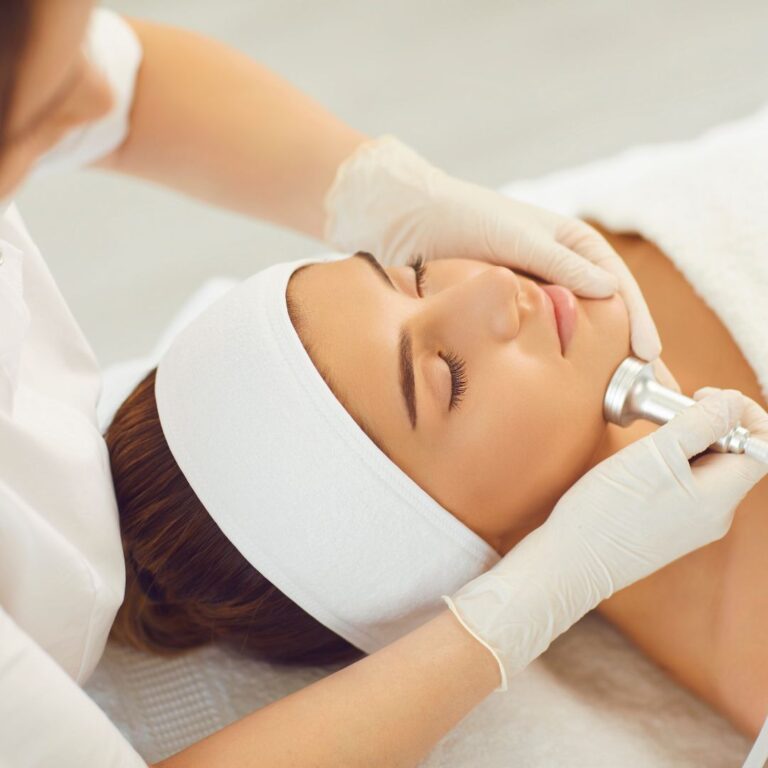
How Long Does Botox Really Last and Why Is It Temporary?
Botox (botulinum toxin type A) is one of the most widely performed non-surgical aesthetic treatments worldwide. It is used to soften dynamic wrinkles caused by repetitive muscle movement, such as forehead lines, frown lines, and crow’s feet.
Average duration of Botox results
Botox results typically last between 3 and 6 months.
The treatment works by temporarily relaxing targeted facial muscles. Over time, nerve activity gradually returns, muscle movement resumes, and wrinkles slowly reappear. This gradual reversal is intentional and contributes to Botox’s strong safety profile.
Factors that influence how long Botox lasts
Botox duration varies from patient to patient and depends on:
Individual metabolism
Strength and activity of facial muscles
Area treated
Dosage and injection technique
Experience of the treating physician
Patients receiving Botox for the first time may notice shorter-lasting results. With consistent, properly spaced treatments, many patients experience longer-lasting and more balanced outcomes over time.
Dermal Fillers: How Long Do They Last and What Makes the Difference?
Dermal fillers are used to restore lost volume, improve facial contours, and smooth static wrinkles. The most commonly used fillers are based on hyaluronic acid, a substance naturally found in the body.
Average duration of dermal fillers
Most hyaluronic acid fillers last between 6 and 18 months.
Why filler longevity varies
Several factors affect how long fillers remain effective:
Filler density and formulation
Injection depth and technique
Area treated (lips metabolize filler faster than cheeks or jawline)
Lifestyle factors such as smoking, sun exposure, and stress
High-quality fillers that are CE-certified and correctly injected are gradually and safely reabsorbed by the body, without leaving permanent residue or damaging tissue.
Skin Treatments: Peels, PRP, and Laser Results Over Time
Beyond Botox and fillers, many patients choose non-invasive skin therapies to improve skin quality, tone, and elasticity.
Chemical peels
Chemical peels help reduce pigmentation, acne, uneven texture, and dullness.
Results typically last 3 to 6 months, especially when combined with proper skincare and sun protection. Seasonal treatment cycles can significantly extend benefits.
PRP (Platelet-Rich Plasma)
PRP uses the patient’s own blood components to stimulate collagen production and cellular regeneration.
Results develop gradually and can last up to 12 months, making PRP an excellent option for patients seeking natural-looking skin rejuvenation.
Laser and radiofrequency treatments
These technologies stimulate deeper collagen layers and improve firmness and texture.
When performed in treatment cycles, results are longer-lasting, with annual maintenance often recommended.
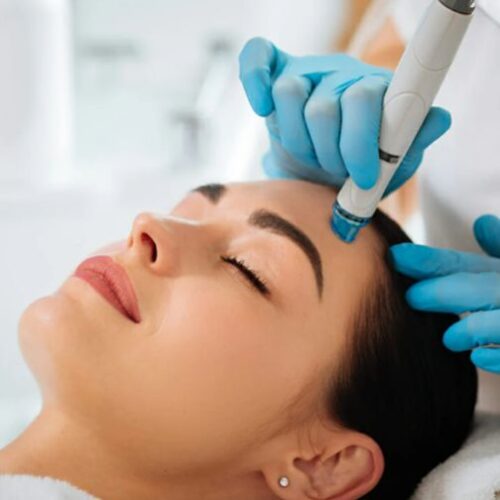
How Often Should Aesthetic Treatments Be Repeated?
There is no universal treatment schedule. A responsible aesthetic physician creates a personalized treatment plan based on the patient’s age, skin condition, facial anatomy, and goals.
General guidelines include:
Botox: every 5–6 months
Dermal fillers: approximately once per year
Skin therapies: 1–2 cycles per year
A conservative, medically guided approach ensures natural results and long-term skin health.
Why More Italian Patients Choose Albania for Aesthetic Medicine
In recent years, Albania has become a trusted destination for international patients seeking aesthetic treatments.
Key reasons include:
Up to 50% lower costs compared to Italy
No long waiting lists
Modern clinics with advanced technology
Compliance with European (CE) medical standards
Tirana is located just one hour by flight from Italy, with frequent connections. This proximity allows patients to travel easily, undergo treatment, and return home quickly, while still having access to follow-up support.
Safety and Quality: What Patients Should Always Verify
Aesthetic medicine is a medical act and should never be treated casually. Choosing the right clinic is essential.
Quick Checklist for Informed Patients
Use of CE-certified materials and devices
Qualified, experienced medical professionals
Thorough pre-treatment consultation
Italian-speaking medical staff
Fully licensed and transparent medical facility
Clinics such as Tirana Health Clinic meet these criteria, offering Italian patients a safe, professional environment with clear communication and patient-centered care.
FAQs
Can Botox damage the face over time?
Are dermal fillers safe?
How soon are Botox results visible?
Are aesthetic treatments in Albania reliable?
Is follow-up care required after returning to Italy?
Can multiple treatments be combined in one session?
Do lip fillers last less than other fillers?
Yes. Italian-speaking doctors and coordinators ensure clear communication during evaluation, surgery, and recovery.
Is choosing Tirana for aesthetic treatments truly worthwhile?
Yes. Inadequate recovery time increases the risk of complications and can negatively impact surgical outcomes.
© 2025 Tirana Health Clinic. All Rights Reserved.