Is Medical Tourism in Albania Safe for Italians? Clinic Standards, Surgeon Qualifications, and Patient Rights
Introduce the main concern: cost savings vs safety. Recall that Albania uses EU‑style medical and device standards, national inspections, and ISO‑certified clinics, and that complications in high‑end clinics are below 1% in many specialties. Emphasize it’s about choosing the right clinic, not just the country.
What Standards Do Albanian Clinics Follow?
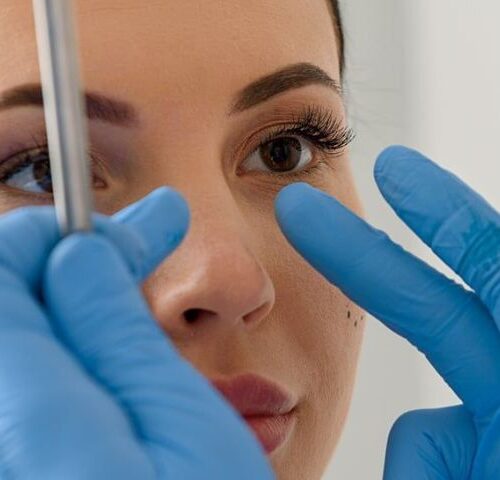
Explain that many clinics in Tirana (especially those serving Italians and other EU patients) follow EU‑level protocols: sterilization, CE‑marked materials, OSHA‑style infection control, and ISO 9001‑style quality systems. Some are even JCI‑inspired or partner with EU‑accredited networks. This is why countries like Italy, UK, and Germany now send thousands of patients to Albania yearly.Are Albanian Clinics Certified and Inspected by Authorities?
Describe how the Albanian Ministry of Health and independent bodies regularly inspect clinics, check sterilization logs, medical‑device compliance, and staff records. For medical‑tourism‑focused clinics, these inspections are often stricter, and certification (ISO, dental or hospital‑specific labels) is visible on the clinic’s website and in‑room.How Are Surgeons and Dentists in Albania Qualified?
Clarify that Albanian‑licensed surgeons and dentists must pass national boards and have EU‑style degrees. Many work internationally or are trained in Italy, Germany, US, or UK; others are Italian‑speaking consultants operating part‑time in Albania. Patients should always verify:
Current license
Society memberships (SICPRE, SIO, national equivalents)
Years of experience and specific procedure volume
Are Italian Doctors Present in Albania?
Yes, several Italian‑qualified specialists (plastic surgeons, dentists, hair surgeons, ENTs) work in Tirana, either full‑time or in rotation, to serve Italian patients. Their presence improves language fluency, cultural understanding, and reduces the “foreign clinic” anxiety many patients feel when traveling abroad.
What Safety Protocols Should You Expect in the Clinic?
List concrete safety signals you should see in Tirana Aria Clinic ‑level structures:
Single‑use, sterile‑packaged instruments
Dedicated sterilization room with autoclave logs
CE‑marked implants, dermal fillers, Botox, and other devices
Digital anesthesia‑monitoring during surgery
ISO‑style traceability of materials and devices
Stress that if you don’t see clear hygiene protocols or if the clinic refuses to show you their sterilization room, it’s a red flag.
How Do Clinics Handle Complications and Revisions?
Describe how top clinics in Albania usually have a written policy for complications: dedicated 24/7 contact, clear timelines for re‑interventions when needed, and written guarantees (for example, 1‑2 years for dental implants, 1 year for aesthetic corrections). These clauses are often in Italian‑language agreements.
How Can You Verify If a Clinic Is Safe for Italians?
Provide a practical checklist:
Look for ISO, JCI‑style, or EU‑recognized quality certifications
Check Italian‑language reviews on Google, Trustpilot, or Italian‑language dental‑tourism portals
Ask for a list of Italian‑speaking staff and a sample Italian‑language consent form
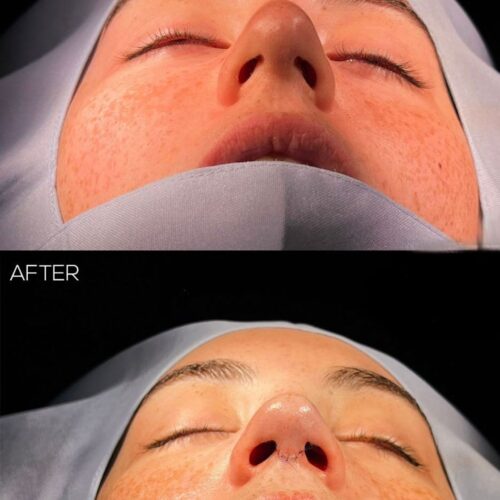
Request before‑and‑after photos of Italian patients only
Insist on a free online consultation and video call with the surgeon
Travel Safety and Logistics in Albania for Italian Patients
Cover that Albania is generally considered a low‑crime, safe destination for medical travelers, with easy access from Italy (short flights, no visa for EU citizens). Highlight that Tirana hospitals and clinics are located in secure, central areas, with private transfers and 24/7 guards in most medical‑tourism‑focused complexes.
The Role of Tirana Aria Clinic in Patient Safety
Explain that Tirana Aria Clinic is built specifically for Italian and other EU patients: ISO‑aligned protocols, Italian‑speaking coordinator, EU‑standard sterilization, CE‑certified materials, and written guarantees in Italian. Emphasize that it does not “sell tourism” but explains risks, realistic results, and recovery time honestly.
Conclusion: How Medical Tourism in Albania Becomes a Safe Choice
Reinforce that Albania is not “cheap” at the cost of safety, but a strategically regulated, EU‑aligned destination. When Italian patients choose accredited clinics with transparent protocols, skilled surgeons, and clear rights (like Tirana Aria Clinic), medical tourism in Albania can be a safe, comfortable, and cost‑efficient way to access high‑quality care.
FAQs
Is it safe to get treatment in Albania as an Italian patient?
How can I tell if a clinic in Albania is truly reliable?
Do I have similar rights to those I would have in Italy?
How are complications handled after a procedure in Albania?
Can I travel safely after my treatment in Albania?
© 2025 Tirana Aria Clinic. All Rights Reserved.