Medical Checks for Plastic Surgery in Albania: What Italian Patients Must Know
Choosing to undergo plastic surgery is a deeply personal decision that goes far beyond appearance. For many Italian patients, this decision is accompanied by understandable concerns about safety, medical checks, and the quality of care—especially when considering treatment abroad rather than in Italy.
In recent years, Albania has become an increasingly popular destination for plastic surgery due to more accessible costs and significantly shorter waiting times. Still, one essential question remains at the center of every patient’s mind: are pre-operative medical checks in Albania truly as reliable and thorough as those performed in Italy?
This article aims to provide clear, medically accurate information about the examinations required before plastic surgery in Albania, how the medical pathway works, and what Italian patients should know to feel safe and informed throughout their journey.
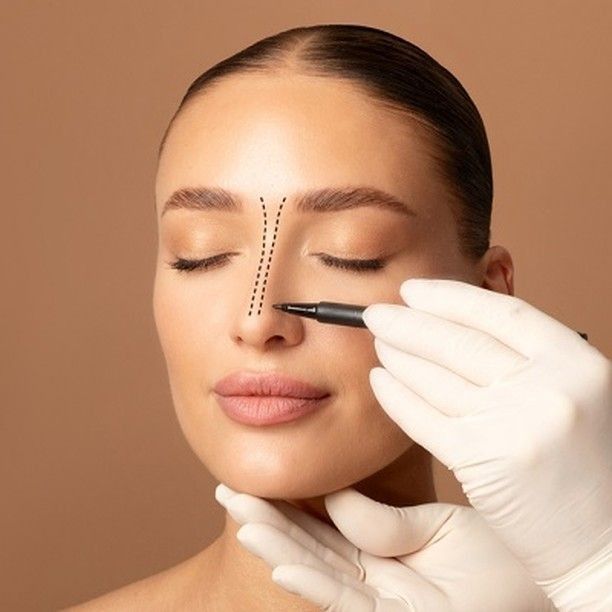
What Medical Checks Are Required Before Plastic Surgery?
Pre-operative evaluation is a non-negotiable part of any surgical procedure. Its purpose is to reduce risk, prevent complications, and ensure that the patient is medically fit for surgery.
Why Pre-Operative Medical Checks Are Essential
Medical checks help identify undiagnosed conditions, temporary health issues, or risk factors that could make surgery unsafe. Without a full clinical assessment, even a routine aesthetic procedure can carry unnecessary risks. Responsible clinics will never proceed with surgery unless the patient has been thoroughly evaluated.
Are Pre-Operative Protocols in Albania Comparable to Italy?
In private clinics that follow European medical standards, pre-operative protocols are aligned with those used in Italy. Surgery is never performed without documented medical clearance, regardless of the type of plastic procedure planned.
Which Pre-Operative Tests Are Required for Italian Patients in Albania?
The exact tests depend on the type of surgery, the patient’s age, and medical history. However, all plastic surgery procedures follow a core diagnostic protocol.
Blood Tests and General Health Assessment
Comprehensive blood tests are performed to evaluate liver and kidney function, blood clotting ability, inflammatory markers, and possible infections. These results are critical to minimizing intraoperative and post-operative risks.
Electrocardiogram and Cardiac Evaluation
An electrocardiogram is essential to assess heart health, especially for patients over forty or those with cardiovascular risk factors. When necessary, further cardiological evaluation is requested before surgery is approved.
Anesthesiology Consultation Before Surgery
The anesthesiology visit is one of the most important steps in the process. During this consultation, the anesthesiologist reviews the patient’s medical history, allergies, medications, and previous surgeries. Based on this evaluation, the safest type of anesthesia is selected.
Additional Tests Based on the Type of Plastic Surgery
Certain procedures, such as breast or abdominal surgery, require additional imaging or diagnostic exams. These may include ultrasound scans, mammography, or chest imaging. A key advantage for Italian patients is that these tests are usually performed directly at the clinic in Albania, often within a single day.
Are Medical Standards in Albania Comparable to European Standards?
In high-level private clinics, the answer is yes. Facilities that treat international patients operate in compliance with European Union medical regulations and use CE-certified medical devices and materials.
Certified Materials and Modern Operating Rooms
Surgical instruments, implants, and medical devices are identical to those used in major European healthcare centers. Operating rooms are modern, fully equipped, and designed to meet strict safety and hygiene standards.

Who Determines Whether a Patient Is Fit for Surgery?
Medical clearance is never the decision of a single professional. It is the result of a coordinated evaluation process involving multiple specialists.
The Role of a Multidisciplinary Medical Team
The plastic surgeon, anesthesiologist, and other specialists work together to assess surgical eligibility. If any condition compromises patient safety, surgery is postponed or canceled. This approach prioritizes patient well-being over scheduling or financial considerations.
Why Are More Italian Patients Choosing Albania for Plastic Surgery?
Cost is certainly a factor, as procedures in Albania are significantly more affordable than in Italy. However, affordability alone does not explain the growing trend.
Costs, Waiting Times, and Efficient Medical Pathways
In Albania, there are no long waiting lists. The entire medical pathway, including consultations, diagnostic tests, and surgery, is often completed within a few days. Tirana is located just one hour by flight from Italy, with frequent connections that make travel easy and manageable.
Is Language a Barrier for Italian Patients?
Clear communication is essential in any medical setting, especially before surgery.
The Importance of Italian-Speaking Medical Staff
In clinics accustomed to treating Italian patients, doctors and nursing staff speak Italian fluently. Medical explanations, informed consent, and post-operative instructions are provided in Italian, ensuring full understanding and reducing anxiety.
What Should Italian Patients Verify Before Traveling to Albania?
Before scheduling plastic surgery abroad, patients should ensure that the medical pathway includes complete pre-operative testing, mandatory anesthesiology evaluation, CE-certified materials, and treatment in a licensed medical facility. The surgeon’s specialization and the availability of Italian-speaking staff are equally important.
These elements are not optional. They are the foundation of safe surgical care.
Are Post-Operative Checks Provided for International Patients?
Yes, in properly structured clinics, post-operative care is an integral part of the treatment process.
Post-Surgery Monitoring and Follow-Up Care
After surgery, patients are monitored daily and receive detailed recovery instructions. Follow-up support continues after the patient returns to Italy, often through remote consultations. Post-operative care is essential for detecting complications early and ensuring proper healing.
Conclusion: Informed Patients Make Safer Choices
Undergoing plastic surgery in Albania can be a safe and well-informed choice when based on accurate information and proper medical standards. Pre-operative medical checks performed in clinics such as Tirana Health Clinic follow European protocols and provide Italian patients with a clear, efficient, and transparent medical journey.
Understanding which tests are required, who evaluates them, and how decisions are made is the best way to reduce fear and approach surgery with confidence.
FAQs
Are pre-operative medical checks in Albania mandatory for plastic surgery?
Are the medical tests performed in Albania the same as in Italy?
Can I bring medical tests from Italy instead of repeating them in Albania?
Are CE-certified materials used for surgery in Albania?
Who decides if I am fit for plastic surgery?
Is language a barrier for Italian patients undergoing surgery in Albania?
How long do I need to stay in Albania for pre-operative checks and surgery?
Will I receive follow-up care after returning to Italy?
© 2025 Tirana Health Clinic. All Rights Reserved.