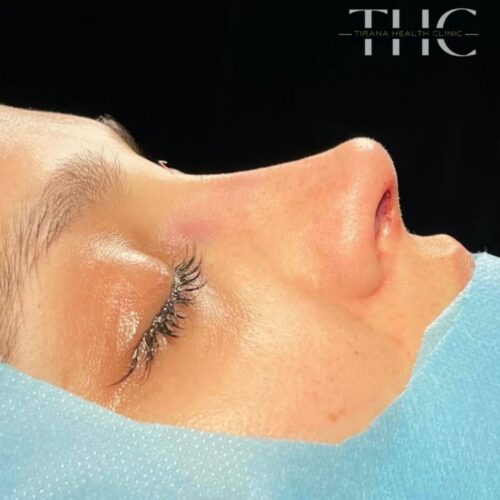
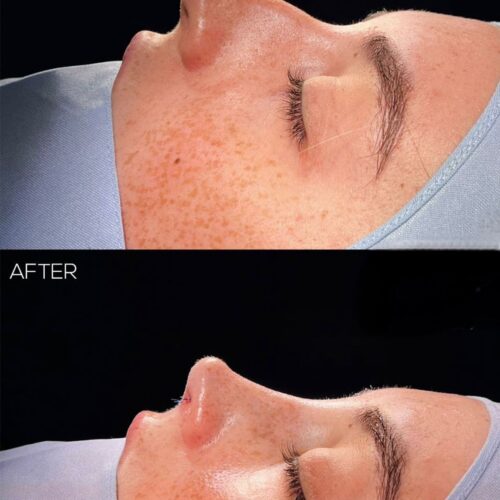
Rhinoplasty in Albania for Italian Patient Journey
Rhinoplasty is a highly personal procedure designed to improve the shape, size, or proportions of the nose. It may also help address structural concerns that affect breathing, which is why many patients consider it for both cosmetic and functional reasons.
For Italian patients exploring treatment abroad, rhinoplasty in Albania can be presented as a carefully planned journey built around consultation, realistic goals, recovery, and long-term facial harmony. Because even small changes to the nose can make a major difference in appearance and function, planning should always be individualized.
Tirana Health Clinic
What is rhinoplasty?
Rhinoplasty is surgery that changes the nose’s shape and can involve bone, cartilage, skin, or all three depending on the case. It may be performed to change appearance, improve breathing, correct injury-related issues, or address certain birth defects.
The procedure is not one-size-fits-all. Surgeons usually plan rhinoplasty around facial proportions, skin characteristics, nasal structure, and the patient’s goals, because the nose sits at the center of the face and very small adjustments can have a visible impact.
Tirana Health Clinic
Patients may consider rhinoplasty if they want to improve:
A visible bump on the nasal bridge.
A drooping, bulbous, or poorly defined tip.
A nose that feels too large or too small for the face.
Nasal asymmetry.
A broken nose or post-trauma irregularity.
A deviated septum or blocked nasal passages.
Breathing-related concerns linked to nasal structure.
A good candidate is generally someone in good physical health who understands the limits of surgery and has realistic goals for the result. Smoking can interfere with healing, so it is commonly discussed during the consultation stage.

How the procedure is performed
Rhinoplasty can be performed with an open or closed approach, depending on how much reshaping is needed and what the surgeon must access during the operation. In general, the surgeon reshapes or repositions bone and cartilage to create a new contour or improve structure. Some cases are mainly aesthetic, while others involve functional correction such as improving airflow or addressing a deviated septum. The operation is often done as outpatient surgery, meaning many patients go home the same day if recovery is stable.
Tirana Health Clinic
Your first consultation
Before rhinoplasty, patients typically meet with the surgeon to discuss goals, medical history, prior nasal surgery, current medications, and expectations. A physical exam and photographs from different angles are commonly used to evaluate the nose and guide treatment planning.
This stage matters because rhinoplasty can be cosmetic, functional, or both. The consultation helps determine what changes are possible, whether breathing may be affected or improved, and whether the treatment plan should remain conservative or be more structural.
What to prepare
A useful consultation is usually based on clear information and realistic discussion. Patients should prepare:
Front and profile photos.
A short explanation of what they want to change.
Details of any previous nasal surgery or trauma.
Notes about breathing difficulty or blockage.
A list of medications and supplements.
Questions about recovery, swelling, and expected results.
Tirana Health Clinic
Recovery timeline
The first week is usually focused on swelling control, rest, and protection of the nose. A splint is commonly worn for about one week, and many patients feel ready to return to work or school within one to two weeks, depending on healing and the nature of their routine.
Swelling improves gradually, but it does not disappear immediately. Mayo Clinic states that most swelling is gone within a year, while Cleveland Clinic notes that swelling often lasts four to six weeks early on, improves significantly by about three months, and can continue settling for up to one year.
Recovery advice to mention on the page
After surgery, patients are commonly advised to keep the head elevated, avoid blowing the nose, avoid heavy lifting, and reduce pressure on the bridge of the nose from glasses during early healing. Sun exposure and intense physical activity are also typically limited during recovery because they can worsen swelling or affect healing.
FAQs
Is rhinoplasty only cosmetic?
How long does recovery take?
Will I see results immediately?
Does rhinoplasty fix breathing problems?
Why is planning so important?
© 2025 Tirana Health Clinic. All Rights Reserved.