Sport, Gym, and Work After Hair Transplant: Safe Timelines Explained
For many Italian patients considering a hair transplant abroad, the biggest concern is not the surgery itself, but how quickly they can return to normal life. Questions about work schedules, gym routines, and sports activities often determine whether patients feel confident moving forward with treatment.
Understanding safe timelines for returning to sport, gym, and work after a hair transplant is essential to protect the transplanted follicles and ensure long-term success. This article provides a clear, medically accurate explanation of recovery phases, helping Italian patients plan responsibly when choosing treatment in Albania.
Why physical activity restrictions matter after a hair transplant
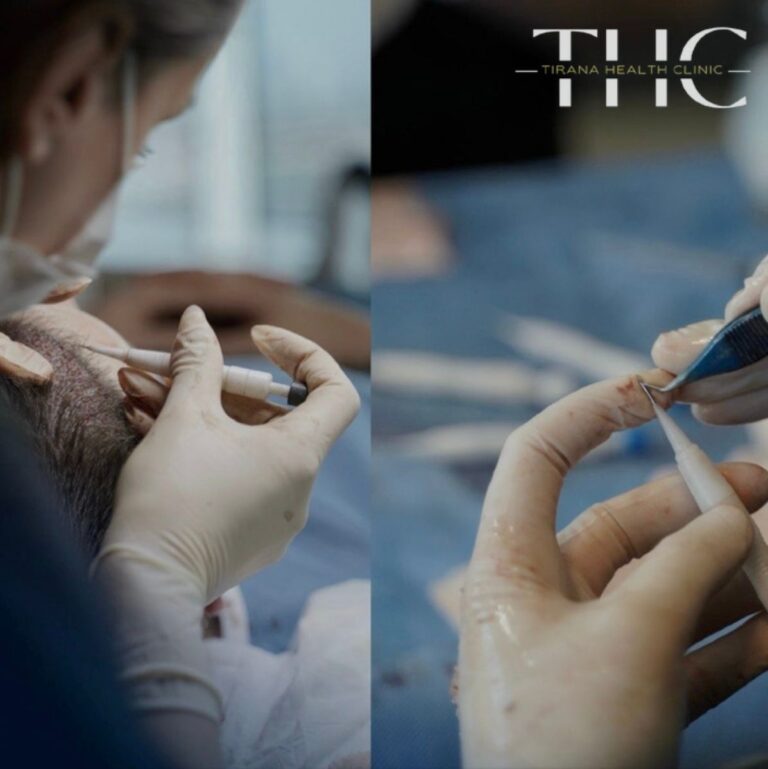
Although a hair transplant is minimally invasive, it remains a medical procedure that involves thousands of micro-incisions in the scalp. During the first weeks after surgery, newly transplanted follicles are fragile and must securely anchor into their new location. Excessive movement, sweating, or pressure can interfere with this process.
Many Italian patients worry that treatment abroad may require extended downtime. In reality, when the procedure is performed in a clinic following European medical protocols, recovery timelines are predictable and manageable. At Tirana Health Clinic, post-operative instructions are structured to balance safety with a realistic return to daily activities, without unnecessary restrictions.
When can I return to work after a hair transplant?
Returning to work is one of the most common concerns, especially for patients with limited time off or professional responsibilities. The timing largely depends on the physical demands of the job and the visibility of post-operative signs.
Office-based and sedentary work
Patients with desk jobs or remote work can usually return within 5 to 7 days after the procedure. By this point, swelling has significantly reduced, discomfort is minimal, and the scalp is healing normally. Any remaining redness can often be concealed easily, allowing patients to resume professional activities without concern.
Physically demanding occupations
Jobs that involve physical exertion, heavy lifting, exposure to heat, or mandatory headgear require a more cautious approach. In these cases, doctors typically recommend waiting 10 to 14 days before returning to work. This reduces the risk of excessive sweating, scalp trauma, or delayed healing.
For Italian patients, logistics are simplified because Tirana is only about one hour by direct flight from Italy, making it easier to schedule treatment without prolonged absence from work.
When is it safe to go back to the gym?
Gym activity introduces several risk factors in the early post-operative period, including increased blood pressure, sweating, and accidental contact with equipment. For this reason, medical guidelines are conservative during the initial phase.
First 7 to 10 days
During this period, gym activity should be completely avoided. The transplanted grafts are still stabilizing, and any strain or sweat can increase inflammation or infection risk. Patients are advised to focus on rest and light daily movement only.
After 10 to 14 days
Light activities such as slow walking on a treadmill may be reintroduced, provided there is no excessive sweating and medical approval has been given. Strength training and high-intensity workouts are still discouraged at this stage.
After 3 to 4 weeks
Most patients can gradually resume full gym routines. Weightlifting, cardio, and resistance training may be restarted cautiously, avoiding direct pressure on the scalp. Gradual progression is key to protecting long-term results.
When can I safely return to sports?
Sports present additional considerations beyond general fitness, especially those involving impact, sudden movements, or protective equipment.
Low-impact sports
Activities such as walking, light cycling, or gentle stretching can often be resumed after 10 to 14 days, assuming the healing process is progressing normally and there are no complications.
High-impact or contact sports
Football, basketball, martial arts, rugby, and similar sports place direct stress on the scalp and significantly increase the risk of graft trauma. These activities should be avoided for at least 4 to 6 weeks. In some cases, longer rest periods may be recommended depending on individual healing.
Medical clearance should always be obtained before returning to any sport, particularly at competitive or high-intensity levels.
Why sweating and scalp friction are medically significant
Sweating creates a warm, moist environment that can irritate healing skin and increase infection risk. Additionally, friction from helmets, hats, or headbands may dislodge grafts before they are fully anchored.
Clinics that follow European (CE) medical standards emphasize individualized recovery timelines rather than generic advice. The goal is not speed, but stability and long-term graft survival. This approach mirrors best practices used in leading Italian medical centers.
Quick checklist: Safe return to daily activities after hair transplant
Office work is usually possible after 5–7 days
Gym activity should resume gradually after 2–4 weeks
Contact sports require at least 4–6 weeks of recovery
Excessive sweating and scalp friction must be avoided early
Medical clearance is essential before resuming intense activity
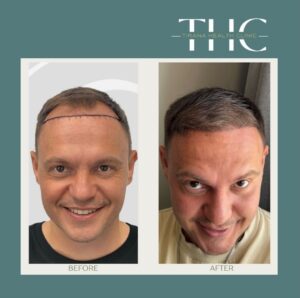
How post-operative guidance is managed in Tirana
At Tirana Health Clinic, recovery timelines are explained in detail before surgery and reinforced through in-person follow-ups. Instructions are personalized, taking into account healing progress, lifestyle, and professional needs.
An important reassurance for Italian patients is that doctors and patient coordinators speak fluent Italian, ensuring that medical advice, restrictions, and recovery milestones are fully understood without language barriers. All protocols align with CE-certified standards and international medical guidelines.
What happens after returning to Italy?
After returning to Italy, patients are not left without support. Structured remote follow-up allows the medical team to monitor healing, review progress photos, and adjust activity recommendations when needed.
This continuity of care addresses one of the most common fears associated with medical travel and provides long-term reassurance throughout the recovery process.
Conclusion: Recovery is part of the treatment, not an afterthought
Knowing when to return to sport, gym, and work after a hair transplant is as important as the procedure itself. Respecting medically guided timelines protects the transplanted follicles, preserves donor area health, and maximizes long-term results.
When treatment is performed in a clinic that follows European standards, offers Italian-language support, and is located just one hour from Italy, Italian patients can confidently combine high medical quality with practical recovery planning. A successful hair transplant is not rushed—it is carefully managed from surgery through full recovery.
FAQs
Can returning to work too early affect my hair transplant results?
Is sweating really dangerous after a hair transplant?
When can I safely lift weights at the gym again?
Can wearing a helmet or hard hat damage transplanted grafts?
Is it safe to exercise after returning to Italy?
Do recovery timelines differ between FUE and DHI techniques?
What happens if I accidentally exercise too early?
Will following these timelines really improve my final results?
© 2025 Tirana Health Clinic. All Rights Reserved.