The Hair Transplant Timeline: What Happens Day-by-Day After Your Surgery in Tirana.

The Hair Transplant Timeline: What Happens Day by Day After Your Surgery in Tirana

Undergoing a hair transplant is a significant medical decision, especially for Italian patients who are considering treatment abroad to reduce costs without compromising medical quality. One of the most common and legitimate questions is:
“What actually happens after the surgery?” Understanding the day-by-day recovery timeline after a hair transplant in Tirana helps patients plan their travel, reduce anxiety, and approach the procedure with realistic expectations. This article provides a clear, medically accurate overview of what Italian patients can expect after surgery, from the day of the procedure to the final result.
Why the post-operative timeline matters for Italian patients

Many Italian patients postpone hair transplantation due to high costs in Italy, long waiting lists, or fear about medical standards abroad. In reality, when the procedure is performed in a properly regulated clinic, the post-operative journey is predictable, safe, and well structured.

At Tirana Aria Clinic, hair transplant procedures follow European clinical protocols, use CE-certified medical devices, and include structured follow-up care designed specifically for international patients, including those from Italy.

Day 0: The day of the hair transplant procedure

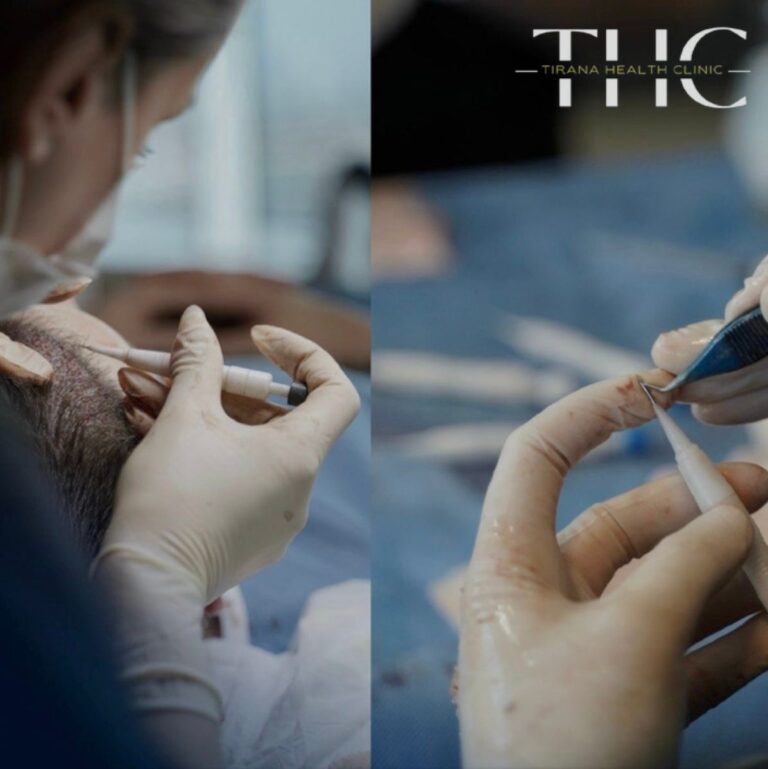
Hair transplantation is performed under local anesthesia, most commonly using FUE or DHI techniques. The procedure typically lasts between 6 and 8 hours, depending on the number of grafts required.

After the surgery:

  • the patient is discharged the same day

  • a protective dressing is applied if necessary

  • detailed post-operative instructions are provided

Doctors and patient coordinators speak fluent Italian, ensuring that all medical explanations, instructions, and concerns are clearly understood.

Days 1–3: The first 72 hours after surgery

The first three days are critical for graft survival. During this phase, it is normal to experience mild and temporary symptoms such as swelling in the forehead area, redness around the transplanted follicles, and a sensation of tightness in the scalp.

Most patients remain in Tirana during this period for initial medical checks. This is particularly convenient for Italian patients, as Tirana is only about a one-hour flight from Italy, making travel simple and stress-free.

Patients are advised to rest, avoid physical exertion, and strictly follow the medical guidelines provided by the clinic.
Days 4–7: Early stabilization phase

During this phase, swelling gradually subsides and the donor area begins to look more natural. Small scabs form around the transplanted follicles, which is a normal part of the healing process.

The first controlled hair wash is performed according to a precise medical protocol. Proper washing is essential to reduce infection risk and to support healthy healing of the scalp.

Weeks 2–4: Temporary shedding of transplanted hair

This stage often causes concern, but it is medically expected. The transplanted hairs begin to shed, while the follicles remain alive beneath the skin. This phenomenon, known as shock loss, does not indicate treatment failure.

Patients are informed about this phase in advance to avoid unnecessary anxiety. Hair shedding at this stage is temporary and part of the natural follicular cycle.


Months 2–4: Early regrowth phase

New hair growth typically begins between the second and fourth month after surgery. The hairs may initially appear thin and lighter in color, but this is normal.

During this period, patients can fully resume normal daily activities, including work, exercise, and social life. The scalp continues to normalize, and visible improvement gradually becomes noticeable.
 

Months 6–12: Final results and long-term outcome

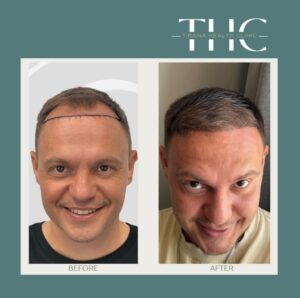
Between six and twelve months after the procedure, hair density increases significantly. The hair becomes thicker, stronger, and more consistent in texture. The hairline appears natural and well integrated with existing hair.

With appropriate care and adherence to medical advice, the results are long-lasting and stable.


Why hair transplantation in Tirana is safe for Italian patients

  • Medical protocols compliant with European (CE) standards

  • Experienced doctors specialized in hair restoration

  • Italian-speaking medical and support staff

  • Structured post-operative follow-up after returning home

  • Short travel time and easy logistics from Italy


Follow-up care after returning to Italy

A common concern among Italian patients is continuity of care. After returning to Italy, patients receive ongoing remote support, personalized care instructions, and complete medical documentation.

This follow-up system ensures that recovery continues safely and that any questions or concerns can be addressed promptly, even after leaving Albania.


Conclusion: A clear, safe, and predictable medical journey

Understanding the day-by-day hair transplant recovery timeline in Tirana allows Italian patients to approach the procedure with confidence and clarity. When performed in a certified clinic that follows European standards and provides Italian-language support, hair transplantation in Albania represents a safe, effective, and well-organized medical choice.

Education, transparency, and proper medical planning are key to achieving successful and lasting results.

FAQs

Is the recovery after a hair transplant painful?
Hair transplant procedures are performed under local anesthesia, so the surgery itself is not painful. Mild discomfort, tightness, or sensitivity may occur in the first few days after the procedure, but these symptoms are usually temporary and manageable with prescribed medication.
Most patients stay in Tirana for 3 to 4 days after the procedure. This allows time for the first medical checks and controlled hair washing before returning home safely.
Many patients return to office-based work within 5 to 7 days. Jobs involving physical activity may require a longer recovery period, depending on medical advice.
Yes. Traveling back to Italy is safe once the initial post-operative checks are completed. Tirana is approximately a one-hour flight from Italy, making the return journey convenient and low-risk when medical instructions are followed.
After returning to Italy, patients receive remote follow-up support. Medical staff remain available to answer questions, review photos, and provide guidance throughout the recovery process.
Initial regrowth usually begins between 2 and 4 months after surgery. Final results are typically visible between 9 and 12 months, depending on individual healing and hair growth cycles.
Yes. Reputable clinics in Albania operate under European medical standards, use CE-certified equipment, and follow internationally accepted clinical protocols comparable to those used in Italy.

© 2025 Tirana Aria Clinic. All Rights Reserved.

Hair Transplant in Albania: Cost, Recovery, and Tips for Italian Patients

Hair Transplant in Albania: Cost, Recovery, and Tips for Italian Patients

Hair loss affects many Italian men and women, and hair transplants have become increasingly popular for restoring natural hair and confidence. While Italy offers high-quality clinics, costs are often prohibitive, and waiting times long. Albania has emerged as a trusted destination for hair restoration, providing professional care, experienced surgeons, and attractive pricing for Italian patients. This guide covers everything Italian patients need to know about hair transplants in Albania, including costs, recovery, techniques, and practical tips for planning treatment.

Why Italian Patients Choose Hair Transplants in Albania

Italian patients often seek hair transplant procedures in Albania due to the combination of affordability, quality, and convenience. Clinics use advanced techniques like FUE, FUT, and DHI, performed by internationally trained surgeons.

Traveling to Albania allows patients to save 50–70% compared to Italy, while receiving care in modern clinics with Italian-speaking coordinators. Many patients are also attracted to all-inclusive packages, which cover consultations, surgery, post-op care, and travel support.

The proximity of Albania to Italy reduces travel costs and time away from work. Patients can receive professional care in a familiar cultural environment, enjoying high-quality service without long waiting periods.

Key Advantages

  • Lower cost for the same quality as Italy

  • Modern clinics with international standards

  • Italian-speaking support and patient coordination

  • All-inclusive packages simplify the process

Hair Transplant Techniques Available in Albania

Albanian clinics offer a variety of hair transplant techniques to suit different hair loss patterns, donor areas, and patient preferences. Clinics focus on personalized treatment plans, assessing each patient’s hair density, scalp condition, and aesthetic goals before recommending a procedure. These clinics combine modern technology, skilled surgeons, and international standards to deliver natural and long-lasting results. Patients can choose from FUE, FUT, or DHI depending on their needs, budget, and desired recovery time.

FUE (Follicular Unit Extraction)

FUE is one of the most popular methods for Italian patients seeking minimally invasive hair restoration. The procedure involves harvesting individual hair follicles from the donor area, typically at the back of the scalp, and implanting them into thinning or balding areas.

This technique leaves minimal scarring, allowing patients to maintain short hairstyles without visible marks. Recovery is relatively fast, with most patients returning to work within a few days. FUE is ideal for patients looking for natural results with lower downtime and is suitable for both small touch-ups and full hairline restoration.

FUT (Follicular Unit Transplantation)

FUT is a traditional method where a strip of scalp is removed from the donor area, then dissected into individual follicular units for implantation. This method is particularly beneficial for patients requiring large numbers of grafts in a single session, making it more efficient for extensive hair loss.

While FUT leaves a linear scar at the donor site, it is generally covered by surrounding hair and does not affect overall appearance. Recovery may be slightly longer than FUE, but the technique allows for dense and uniform hair restoration, making it a preferred choice for certain patients.

DHI (Direct Hair Implantation)

DHI is an advanced version of FUE that uses a specialized implanter pen to place hair follicles directly into the scalp without pre-made incisions. This approach allows greater precision, improved graft survival, and higher density.

DHI is suitable for patients who want a more controlled hairline design, faster healing, and less post-operative discomfort. Although slightly more expensive than FUE, DHI is often recommended for patients seeking maximum aesthetic results with natural-looking hair growth.

Hair Transplant Costs in Albania

Cost is a major factor for Italian patients considering treatment abroad. Hair transplant prices in Albania are significantly lower than in Italy without compromising quality.

  • FUE: €1,500–€3,500 depending on grafts

  • FUT: €1,200–€3,000 depending on session size

  • DHI: €2,000–€4,000 depending on grafts

Prices typically include consultation, surgery, anesthesia, post-op care, and Italian-speaking support. Many clinics provide personalized quotes after virtual evaluations. Patients often find the value-for-money ratio in Albania superior, allowing them to consider additional procedures or extended recovery accommodations.

Recovery and Post-Operative Care

Recovery time varies depending on the technique and individual health. FUE and DHI usually allow return to work within 3–5 days, while FUT may require slightly longer.

Patients should follow instructions for washing, avoiding direct sunlight, and limiting physical activity. Albanian clinics provide remote follow-up support for Italian patients after returning home, ensuring optimal healing and long-term results.

A proper recovery plan is crucial for hair survival and achieving natural-looking results. Many clinics offer detailed post-op guidelines and even medications or specialized shampoos to enhance healing.

Tips for Italian Patients Planning a Hair Transplant in Albania

  • Book a virtual consultation to discuss goals, costs, and procedures.

  • Factor in recovery time, typically 3–7 days depending on the technique.

  • Choose clinics with Italian-speaking coordinators to avoid miscommunication.

  • Review patient testimonials and before/after photos to verify results.

  • Check travel and medical insurance coverage for peace of mind.

Careful planning ensures a stress-free experience and optimal results. Patients are encouraged to coordinate flights, accommodations, and post-op care well in advance.

Why Choose Tirana Aria Clinic

Tirana Aria Clinic is a trusted destination for Italian patients, offering experienced surgeons, modern facilities, Italian-speaking support, and comprehensive care. Patients benefit from transparent pricing, personalized treatment plans, and attentive post-operative care, making it an excellent option for those considering hair transplants in Albania.

Request a Personalized Consultation

Scheduling a consultation allows surgeons to evaluate hair density, determine the best technique, and plan recovery. Italian-speaking coordinators guide patients through every step, including cost estimation, travel planning, and post-operative instructions, providing clarity and reassurance.

FAQs

Is it safe to have a hair transplant in Albania?
Yes. Accredited clinics follow European standards and employ certified surgeons with international experience.
Costs range from €1,200 to €4,000 depending on technique and number of grafts, significantly cheaper than Italy.
FUE and DHI usually allow a return to work within 3–5 days; FUT may require 7–10 days.
FUE, FUT, and DHI all have advantages; surgeons determine the best method based on donor area, density, and goals.
Yes, many clinics offer Italian-speaking coordinators to assist patients before, during, and after surgery.
Yes, modern techniques and skilled surgeons ensure natural-looking, permanent hair restoration.
Book a consultation first, consider recovery time, choose a clinic with Italian support, and arrange travel and accommodations accordingly.

© 2025 Tirana Aria Clinic. All Rights Reserved.

Teeth Whitening in Albania: Prices and Options for Italian Patients

Teeth Whitening in Albania: Prices and Options for Italian Patients

A bright, white smile is important for confidence and personal presentation. While many Italians consider teeth whitening in Italy, prices can be high and waiting times long. Albania has become a trusted destination for dental cosmetic procedures, offering professional teeth whitening services at a fraction of the cost. This guide explains everything Italian patients need to know about teeth whitening in Albania, including techniques, prices, safety, and tips for planning their visit.

Why Italian Patients Choose Teeth Whitening in Albania

Many Italian patients choose Albania due to the combination of cost-effectiveness, high-quality care, and convenience. Clinics in Tirana and other Albanian cities use modern dental technology and follow European safety standards.

Italian-speaking coordinators help patients throughout the process, including consultations, treatment planning, and post-treatment follow-up. Cost savings are significant, with prices often 50–70% lower than in Italy, making it possible for patients to combine teeth whitening with other dental or cosmetic procedures.

Key Advantages

  • Affordable prices without compromising quality

  • Advanced dental technology and professional dentists

  • Italian-speaking coordinators and clear communication

  • Quick appointments and short waiting times

Teeth Whitening Techniques in Albania

Albanian clinics offer a wide range of professional teeth whitening options, designed to accommodate different levels of tooth discoloration, sensitivity, and patient preferences. Clinics assess each patient’s oral health and cosmetic goals before recommending a specific method. Using modern technology and safe bleaching agents, Albanian dentists ensure effective, long-lasting results while minimizing risks like enamel damage or gum irritation. Patients can choose between in-office whitening, take-home kits, or combination treatments depending on their schedule, desired results, and comfort level.

 In-Office Whitening

In-office whitening is performed directly by a licensed dentist, using high-concentration bleaching gels, often enhanced with light or laser activation to accelerate the whitening process. This procedure typically takes 1–2 hours, providing immediate and noticeable results.

This method is ideal for patients who want quick improvement for special occasions or those who prefer to have the treatment fully supervised by a professional. Dentists also customize the treatment based on the patient’s tooth sensitivity and enamel strength, ensuring maximum whitening while minimizing discomfort. In-office whitening can be combined with a short follow-up session to maintain the brightness.

Take-Home Whitening Kits

Take-home whitening kits are designed for patients who prefer gradual whitening at their convenience. Dentists provide custom-fitted trays and professional-strength bleaching gel. Patients wear the trays for a few hours daily over a period of 1–2 weeks, achieving natural-looking results.

This approach is particularly suitable for patients with sensitive teeth, as the dentist can adjust the gel concentration and usage schedule. Regular monitoring and guidance from the clinic ensure safe and consistent results. Take-home kits also allow patients to touch up their teeth over time, extending the longevity of the whitening effect.

Combination Treatments

Combination treatments are a hybrid approach designed to deliver both immediate and long-lasting results. Patients start with an in-office session for quick, visible improvement, followed by take-home trays to maintain the whitening over several weeks.

This method is often recommended for patients with stubborn stains or those seeking the maximum whitening effect. The combination approach also allows dentists to customize treatment intensity, ensuring that results are both uniform and sustainable. Albanian clinics offering this service provide detailed aftercare instructions to optimize longevity and reduce sensitivity.

Teeth Whitening Costs in Albania

Cost is a major consideration for Italian patients. Prices in Albania are significantly lower than in Italy, without compromising quality.

  • In-Office Whitening: €150–€300 per session

  • Take-Home Whitening Kits: €100–€200

  • Combination Treatments: €250–€400

Many clinics provide all-inclusive packages, covering consultation, whitening treatment, and follow-up care. Italian patients often find Albania to be an excellent value, particularly when combining whitening with other dental procedures like cleanings or veneers.

Safety and Quality Standards

Albanian dental clinics adhere to European safety and hygiene standards. Dentists are trained internationally, and equipment is modern and sterilized.

Italian patients can expect a professional consultation, including assessment of enamel health, dental sensitivity, and potential contraindications. Clinics provide post-treatment instructions to maintain results and reduce risks such as tooth sensitivity or gum irritation.

Tips for Italian Patients Planning Teeth Whitening in Albania

  • Book a consultation in advance to assess your teeth and select the best treatment.

  • Choose clinics with Italian-speaking coordinators for smooth communication.

  • Plan travel and recovery time, usually minimal for teeth whitening.

  • Review before-and-after photos to confirm clinic expertise.

  • Ask about combined packages if planning other dental or cosmetic treatments.

Proper planning ensures a safe, convenient, and effective teeth whitening experience.

Why Choose Tirana Aria Clinic

Tirana Aria Clinic offers professional teeth whitening with experienced dentists, modern equipment, and Italian-speaking patient support. Patients benefit from personalized treatment plans, transparent pricing, and attentive post-treatment care, making it an ideal destination for Italian patients seeking cosmetic dental procedures in Albania.

FAQs

Is teeth whitening in Albania safe for Italian patients?

Yes. Accredited clinics follow European standards and employ certified surgeons with international experience.

Prices range from €100–€400 depending on the method and package, significantly lower than in Italy.
Take-home whitening kits or hybrid treatments with gradual bleaching are recommended for sensitive teeth.
Professional whitening typically lasts 6–12 months, depending on diet and oral hygiene.
Yes, many clinics offer packages including cleanings, veneers, or cosmetic treatments.
Yes, Italian-speaking coordinators assist patients throughout the process.
Book a consultation first, plan travel and accommodations, and coordinate with the clinic for your treatment schedule.

© 2025 Tirana Aria Clinic. All Rights Reserved.

Plastic Surgery in Albania: Prices, Packages, and Tips for Italian Patients

Plastic Surgery in Albania: Prices, Packages, and Tips for Italian Patients

Plastic surgery is increasingly sought after by Italian patients looking for high-quality, cost-effective aesthetic procedures. In Italy, costs for surgeries such as rhinoplasty, tummy tuck, breast augmentation, and facelifts are high, with long waiting lists and limited appointment availability. Albania has emerged as a reliable alternative, offering modern clinics, experienced surgeons, and support for international patients. In this article, we provide a detailed guide for Italian patients considering plastic surgery in Albania, covering prices, packages, safety, and practical advice to ensure a smooth experience.

Why Italian Patients Choose Plastic Surgery in Albania

Albania attracts Italian patients primarily because of the balance between cost and quality. Clinics have modern facilities and surgeons trained internationally, yet procedures are significantly more affordable compared to Italy.

Italian patients also appreciate all-inclusive packages that cover consultation, surgery, recovery, and travel assistance. This approach removes uncertainty and allows patients to plan their treatment with confidence. Italian-speaking coordinators further simplify communication, ensuring that every step—from consultation to post-operative care—is clear and stress-free.

In addition, Albania’s proximity to Italy reduces travel time and costs, making it an even more practical option for short medical trips. Patients often choose Albania because they can access high-quality care in a familiar cultural environment, while saving money and avoiding long waiting lists at home.

Cost Benefits

Procedures in Albania are generally 50–70% cheaper than in Italy, yet clinics maintain rigorous safety standards. Lower costs do not mean lower quality; clinics use certified equipment and internationally recognized surgical techniques to ensure excellent outcomes.

Common Plastic Surgery Procedures in Albania

Albanian clinics offer a wide range of cosmetic surgeries for both the face and body, catering to individual patient goals and preferences.

Rhinoplasty, abdominoplasty, breast surgeries (augmentation, reduction, lift), and facelifts are among the most popular procedures. Surgeons combine technical precision with aesthetic expertise, aiming for natural and harmonious results.

Patients also benefit from personalized treatment plans based on their medical history, anatomical factors, and desired outcomes. Pre-operative imaging, including 3D simulations, helps patients visualize potential results and make informed decisions. Clinics often provide detailed recovery instructions and ongoing post-operative support to ensure smooth healing.

Rhinoplasty

Rhinoplasty reshapes the nose for improved symmetry and facial balance. Albanian surgeons frequently use 3D imaging and individualized surgical plans to achieve natural results tailored to each patient’s facial structure.

Body Contouring

Procedures such as abdominoplasty remove excess skin and fat while tightening underlying muscles. These surgeries are particularly beneficial for patients after pregnancy or significant weight loss, restoring a firm, contoured appearance.

Plastic Surgery Prices in Albania

Pricing is a major factor for Italian patients. Albania offers transparent, affordable costs without compromising quality.

  • Rhinoplasty: €2,000–€3,500

  • Abdominoplasty: €3,000–€5,000

  • Breast augmentation: €3,000–€5,000

Prices vary depending on surgeon experience, anesthesia type, and procedure complexity. Clinics provide detailed cost breakdowns that include consultation, surgery, hospital stay, and post-operative care. Many patients find the value-for-money ratio in Albania superior to Italy, with savings allowing for additional procedures or extended recovery accommodations.

Plastic Surgery Packages in Albania

All-inclusive packages are designed to simplify the process for international patients. Typical inclusions cover consultation, pre-operative tests, surgery, hospital stay, post-operative care, travel assistance, and Italian-speaking coordination.

Optional add-ons such as VIP transport or private recovery suites enhance comfort and convenience. These packages reduce stress and help patients focus on recovery and optimal surgical outcomes. Clinics also provide guidance on local accommodations and travel logistics, making the experience smoother for Italian patients unfamiliar with Albania.

Safety, Clinic Standards, and Surgeon Qualifications

Safety is paramount when traveling abroad for surgery. Albanian clinics adhere to European clinical standards, using sterilized operating rooms, certified surgical instruments, and up-to-date medical protocols.

Many surgeons have international training or experience in Italy, Germany, or other European countries, ensuring expertise in both technique and aesthetics. Pre-operative evaluations, anesthesia monitoring, and post-operative follow-ups are standard practice, reducing risks and enhancing patient confidence. Patients can rest assured that clinics are committed to safe, high-quality outcomes, even when compared to procedures in Italy.

Practical Tips for Italian Patients

Virtual consultations are recommended to discuss goals, risks, and expectations. Factor in recovery time, which usually ranges from 3–7 days, depending on the procedure. Following the surgeon’s post-operative care instructions is crucial for a smooth recovery and optimal results.

Many clinics provide remote follow-up support, enabling patients to communicate with their medical team even after returning to Italy. Additionally, obtaining travel insurance covering medical procedures ensures peace of mind. Patients are advised to book travel and accommodations in advance, particularly during high-demand seasons, to secure a stress-free trip.

Facial Aesthetic Treatments

Why Choose Tirana Aria Clinic

Tirana Aria Clinic  provides experienced surgeons, modern facilities, Italian-speaking support, and personalized care. The clinic emphasizes transparent pricing, comprehensive packages, and natural-looking results. Patients benefit from detailed consultations, professional guidance during surgery, and attentive post-operative care.

Choosing Tirana Aria Clinic ensures access to safe, cost-effective, and high-quality plastic surgery in Albania, giving Italian patients peace of mind and excellent outcomes.

FAQs

Is plastic surgery in Albania safe for Italian patients?
Yes, accredited clinics follow European standards, with certified surgeons and modern facilities.
Costs are 50–70% lower than in Italy. Rhinoplasty €2,000–€3,500, abdominoplasty €3,000–€5,000, breast augmentation €3,000–€5,000.
Consultation, pre-op tests, surgery, hospital stay, post-op care, travel assistance, Italian-speaking support.
Similar to Italy, but minimized in certified clinics with proper protocols and follow-up care.
Usually 3–7 days, depending on the procedure and surgeon’s advice.
Yes, coordinators fluent in Italian assist throughout the process.
Yes, patients benefit from high-quality care, lower prices, transparent packages, and comprehensive support.

© 2025 Tirana Aria Clinic. All Rights Reserved.
Hair Transplant Trends in Albania: What Italian Patients Need to Know in 2026

Hair Transplant Trends in Albania: What Italian Patients Need to Know in 2026

Hair loss is a growing concern in Italy, and many Italians are exploring options abroad to restore their hair without paying excessively high prices. Albania is emerging as a top destination for Italian patients seeking high-quality hair transplants in 2026. Modern clinics, experienced surgeons, and all-inclusive packages make Albania an attractive alternative for those looking for affordable and effective solutions.

In this guide, we will cover everything you need to know before booking a hair transplant in Albania, including the latest techniques, real cost comparisons with Italy, expected recovery times, safety considerations, and tips for choosing the right clinic. This comprehensive approach will help you make an informed decision and ensure a successful outcome.

What to Expect from a Hair Transplant in Albania in 2026

Italian patients considering a hair transplant abroad often prioritize both quality and convenience. Albania offers the unique combination of affordable treatment costs and high-standard medical care, making it an increasingly popular choice. Clinics are equipped with modern technology, and surgeons are trained in the latest hair restoration techniques. In addition, Albania’s proximity to Italy allows for short travel times, reducing the stress of international medical tourism. The overall experience is designed to be patient-friendly, providing multilingual support and comprehensive post-operative care to ensure a smooth journey from consultation to final results.

Why Albania is Growing in Popularity for Italian Patients

The growing popularity of Albania as a hair transplant destination can be attributed to several key factors. First, the cost of procedures in Albania is significantly lower than in Italy, with savings of up to 60% without compromising the quality of care. Many clinics offer all-inclusive packages that cover the procedure, accommodation, airport transfers, and follow-up consultations. Patients also benefit from short flights and easy travel arrangements, which allow them to complete the procedure with minimal disruption to their schedules. Finally, clinics in Albania provide professional care in modern facilities, often with multilingual staff fluent in Italian, which reassures patients and improves the overall experience.

Techniques and Medical Standards

Albanian clinics employ the latest hair transplant techniques to achieve natural and lasting results. FUE (Follicular Unit Extraction) allows individual hair follicles to be extracted and transplanted with minimal invasiveness. DHI (Direct Hair Implantation) offers precise placement of follicles directly into the scalp, reducing trauma and improving density. Some clinics also utilize sapphire instruments to make incisions cleaner and accelerate recovery. All procedures are performed by trained surgeons who adhere to strict European medical standards. Clinics maintain modern hygiene protocols, ensuring patient safety, and provide comprehensive post-operative instructions to optimize results.

Costs and Packages in 2026 – Italy vs Albania

Cost is one of the primary reasons Italian patients consider Albania for hair restoration. While hair transplants in Italy can be prohibitively expensive, Albania offers competitive pricing without sacrificing quality. Beyond the procedure itself, Albanian clinics often bundle services into all-inclusive packages that simplify the process for international patients. This approach allows patients to plan their travel and treatment with clarity, minimizing unexpected expenses.

How Much Does a Hair Transplant Cost in Albania?

The typical price range for hair transplants in Albania in 2026 is:

  • FUE: 1,500–2,500 euros

  • DHI: 2,000–3,000 euros

  • All-inclusive packages (procedure, hotel, airport transfer, medications, and follow-up): 2,500–3,500 euros

These prices include professional care, pre-operative consultation, and post-operative support. Patients benefit from substantial savings compared to Italy while receiving high-quality treatment. The availability of package deals ensures that the costs are predictable and transparent, which reduces stress for patients traveling from Italy.

Comparison with Italy

In Italy, hair transplant costs are considerably higher. FUE procedures typically range between 4,500–7,000 euros, while DHI procedures can cost between 6,000–10,000 euros. By choosing Albania, Italian patients can save 50–60% of the total cost. The reduced price does not equate to reduced quality; clinics in Albania maintain high standards, employ experienced surgeons, and utilize advanced techniques similar to those in Italy. These factors make Albania a smart option for patients seeking effective hair restoration without the high Italian price tag.

What All-Inclusive Packages Typically Include

Most Albanian clinics offer comprehensive all-inclusive packages. These packages cover not only the procedure but also hotel accommodation, airport transfers, medications, and follow-up consultations. Many clinics also provide pre-travel guidance, such as medical documentation requirements and instructions for travel preparation. Virtual consultations before and after the procedure allow patients to communicate with their surgeons easily and ensure proper post-operative care. This level of support and structure makes the experience seamless for Italian patients and contributes to higher satisfaction rates.

Safety, Quality, and Expected Results

Safety and quality are primary concerns for Italian patients considering medical treatment abroad. Albanian clinics are regulated and follow European medical protocols to ensure high-quality outcomes. Multilingual staff, including Italian-speaking medical professionals, facilitate clear communication throughout the process. Patients are encouraged to research clinics thoroughly, reviewing certifications, surgeon qualifications, and patient testimonials before making a decision. Clinics often provide detailed information about their procedures and safety standards online, helping patients make informed choices.

Medical Standards and Certifications

Before booking, verify that the clinic holds proper certifications, maintains strict hygiene protocols, and employs experienced surgeons. Accredited clinics provide transparent information about their staff, facilities, and medical procedures. Patient testimonials and reviews from Italians are a reliable source of insight into the clinic’s reputation. Clinics adhering to European health standards ensure that patients receive treatment in a safe, controlled environment, minimizing the risk of complications. Thorough pre-operative assessment and personalized treatment plans further enhance patient safety and outcome predictability.

Expected Results and Recovery

Recovery and results depend on the technique and individual patient characteristics. After the procedure, patients may experience mild redness, swelling, or soreness for several days. Initial hair growth typically becomes noticeable after three months, with substantial results visible by six months. Full results are usually achieved within 12 months, providing a natural and permanent appearance. Clinics provide detailed post-operative instructions, including care routines and follow-up schedules, to ensure optimal outcomes. Online follow-ups allow surgeons to monitor progress and address any concerns, giving patients confidence and peace of mind.

How to Choose the Right Clinic in Tirana

Selecting the right clinic is critical to the success of a hair transplant. Patients should look for experienced surgeons, reputable facilities, and verified patient testimonials. Clinics that provide multilingual support and clear communication processes make the experience smoother for Italian patients. Researching the clinic’s certifications, portfolio of results, and patient reviews helps identify trustworthy options. Scheduling a preliminary consultation, either in-person or online, is an essential step to ensure the chosen clinic meets your expectations.

Reviews and Real Patient Experiences

Italian patients benefit from reading reviews and testimonials from previous patients. Authentic feedback about results, recovery experience, and overall satisfaction helps identify clinics that deliver high-quality care. Before-and-after photos can provide realistic expectations for hair density, coverage, and aesthetic outcomes. Evaluating reviews across multiple platforms ensures a balanced view and reduces the risk of relying on biased or incomplete information. Choosing a clinic with consistently positive feedback from Italian patients can increase confidence in the decision-making process.

FAQs

Is it safe for an Italian patient to get a hair transplant in Albania?
Yes. Certified clinics follow European medical standards, use modern facilities, and have Italian-speaking staff to assist patients throughout the process. Proper research and verification of credentials further ensure safety.
Most patients stay 3–5 days to complete the procedure and initial recovery. Hair growth continues at home over several months, and follow-up consultations can often be done online for convenience.
FUE, DHI, and sapphire methods are widely available. The choice depends on hair type, the size of the area being treated, and the desired density and natural look.
Many clinics offer all-inclusive packages that cover the procedure, accommodation, airport transfers, and medications. Some clinics also provide pre-travel guidance and virtual follow-up care.
Patients can typically save 50–60% compared to Italian prices, depending on the technique and package chosen. Savings include both the procedure cost and associated travel expenses.
Yes, most reputable clinics have surgeons and assistants fluent in Italian, ensuring clear communication and support throughout the process.
Check certifications, reviews from Italian patients, surgeon experience, and clinic facilities. Confirm that packages include all necessary services and that the clinic provides clear communication and follow-up support.

© 2025 Tirana Aria Clinic. All Rights Reserved.

Non-Surgical Aesthetic Treatments in Albania: What Italians Can Expect

Facial Aesthetic Treatments

Non-Surgical Aesthetic Treatments in Albania: What Italians Can Expect

Non-surgical aesthetic treatments, including dermal fillers, botox, PRP therapy, and laser-based procedures, are increasingly popular among Italian patients seeking visible improvements without invasive surgery. In Italy, high costs and multiple appointments can be barriers, prompting many to explore options abroad. Albania has become a leading destination for medical tourism due to its modern clinics, certified doctors, competitive pricing, and proximity to Italy. This article provides Italian patients with a comprehensive guide on what to expect from non-surgical aesthetic procedures in Albania, covering treatments, costs, safety, and patient support.

Why Italians Choose Albania for Non-Surgical Treatments

Italian patients are drawn to Albania for its combination of high-quality care and affordability. Clinics often offer all-inclusive packages covering initial consultation, the treatment itself, post-procedure care, and follow-up. Many clinics employ Italian-speaking staff, which removes language barriers and adds comfort for patients unfamiliar with international travel for medical purposes.

Proximity is another significant advantage. Short flights, well-organized transfers, and coordination of treatment schedules reduce stress and make it feasible to combine treatment with minimal disruption to daily life. Albanian clinics also provide modern facilities and a personalized approach, ensuring a professional and reassuring environment.

Cost and Convenience

Treatments in Albania are generally 50–70% cheaper than comparable procedures in Italy. All-inclusive packages help avoid hidden fees, and clinics often assist with accommodation, airport transfers, and travel planning, ensuring a seamless experience for international patients.

Overview of Non-Surgical Aesthetic Treatments

Non-surgical aesthetic treatments are designed to improve facial aesthetics, skin texture, and overall appearance without surgery. Common procedures include dermal fillers, botox, PRP or biostimulation, laser therapy, and non-surgical facelifts. These procedures provide immediate or gradual improvements, with minimal downtime and low risk of complications.

Albanian clinics employ modern technology, use certified products, and perform detailed pre-treatment assessments, including facial analysis and skin evaluation. This ensures predictable outcomes and results comparable to Italian standards, which is a key factor for patients considering international treatment.

Most Common Treatments

  • Dermal Fillers: Restore volume, smooth wrinkles, and enhance facial contours in areas such as lips, cheeks, and nasolabial folds.

  • Botox: Relaxes facial muscles to reduce dynamic wrinkles like frown lines and crow’s feet.

  • PRP and Biostimulation: Uses the patient’s own plasma to stimulate collagen and rejuvenate skin naturally.

  • Laser and Light-Based Therapy: Improves skin tone, reduces pigmentation, and stimulates collagen for long-lasting rejuvenation.

What to Expect During Treatment

Before treatment, patients undergo a personalized consultation where their medical history, skin condition, and aesthetic goals are evaluated. Albanian clinics provide a detailed plan outlining the procedure, expected results, and any necessary pre-treatment requirements. Treatments are minimally invasive, typically completed in less than an hour depending on the procedure.

Recovery is usually fast, with minor redness, swelling, or tenderness that resolves within a few days. Clinics provide post-procedure instructions and monitor healing to ensure safe, effective outcomes. Italian patients often appreciate the structured process and guidance available before, during, and after treatment.

Recovery and Follow-Up

Patients receive clear post-care instructions, and follow-ups are scheduled to monitor results. Many clinics also provide remote follow-up options, reducing the need for additional travel while maintaining professional oversight.

Safety, Doctors, and Clinic Standards

Safety is a top priority for Italian patients considering treatment abroad. Albanian clinics follow European hygiene and safety standards, maintain sterile environments, and use certified aesthetic products. Doctors are trained in advanced techniques, often with international certifications or experience treating patients from abroad.

By maintaining high clinical standards, Albanian clinics can provide predictable results while minimizing risks. Patients benefit from transparent protocols, clear communication, and professional guidance, building trust and reassurance.

Clinic Quality and Professional Staff

Clinics are equipped with modern technology, sterilized tools, and high-quality certified materials. Doctors and medical staff adhere to strict European standards, ensuring that Italian patients receive safe, high-quality care equivalent to that in Italy.

Cost Expectations for Non-Surgical Treatments in Albania

Prices for non-surgical aesthetic treatments in Albania vary depending on the procedure, the number of sessions, and the products used. Even complex treatments remain significantly less expensive than in Italy, making Albania a cost-effective alternative. All-inclusive packages usually include the consultation, treatment, post-care, and follow-ups, providing a transparent and predictable pricing structure.

Factors affecting the price include the type of treatment (filler, botox, PRP, laser), the complexity of the procedure, the number of sessions, and the quality or brand of products used. Patients can request a detailed quote to plan their treatment efficiently and avoid unexpected expenses.

What Patients Receive

Complete packages typically cover:

  • Initial consultation and facial assessment

  • The aesthetic procedure (fillers, botox, laser, PRP)

  • Post-procedure instructions and follow-up appointments

  • Optional travel and accommodation assistance

This ensures that patients feel secure and supported throughout the process.

Request a Personalized Consultation

A consultation is the first step for Italian patients considering treatment abroad. Doctors evaluate medical history, discuss aesthetic goals, and provide a detailed treatment plan including expected outcomes and costs. Tirana Aria Clinic ensures that patients feel confident, informed, and fully prepared before traveling to Albania for treatment.

Facial Aesthetic Treatments

FAQs

Are non-surgical aesthetic treatments in Albania safe for Italians?
Yes, certified clinics follow EU medical standards, use high-quality products, and employ trained professionals.
Costs are typically 50–70% lower than in Italy, depending on procedure complexity and product choice.
Key reasons include affordability, high-quality care, Italian-speaking staff, and short travel distance.
Treatments include dermal fillers, botox, PRP/biostimulation, laser therapy, and non-surgical facelifts.
Botox lasts 3–6 months, fillers 6–18 months, and PRP or laser therapy can produce longer-term effects depending on skin condition and lifestyle.
Some follow-ups can be conducted remotely, but key assessments may require in-clinic visits.
Procedures are technically the same. Albania offers cost savings, bundled services, and a high level of patient support.

© 2025 Tirana Aria Clinic. All Rights Reserved.

Dental Implants in Albania: What Italian Patients Need to Know

Dental Implants in Albania: What Italian Patients Need to Know

Dental implants are the most effective solution for replacing missing teeth, providing stability, function, and a natural look. In Italy, the high cost of implantology and long waiting times are prompting many patients to explore international options. Albania has become a popular destination for dental tourism due to modern clinics, skilled dentists, and cost-effective treatments. This guide explains what Italian patients need to know about dental implants in Albania, including procedures, costs, safety, and patient support.

Why More Italians Are Choosing Dental Implants in Albania

Albania has invested significantly in private healthcare, particularly in dentistry, offering advanced technology and highly trained professionals. Italian patients are attracted by the opportunity to access high-quality treatments at lower costs, often packaged with consultation, surgery, prosthetics, and follow-up care. Italian-speaking staff and personalized support make it easier for patients to feel comfortable during the entire process.

Another key reason is proximity. Short flights from Italy make multiple visits feasible, reducing travel time and expenses. Many patients also appreciate the efficiency and organization clinics provide, from treatment planning to post-procedure care.

Cost Advantages Compared to Italy

Dental implants in Albania are typically 50–70% cheaper than in Italy. Clinics often provide all-inclusive packages covering consultation, diagnostics, surgery, prosthetics, and follow-ups, which ensures transparency and avoids unexpected costs.

Convenience and Accessibility

Albania’s closeness to Italy allows patients to combine treatment with minimal travel. Clinics often assist with airport transfers, accommodation, and transportation, creating a smooth and stress-free experience.

What Dental Implants Are and How They Work

Dental implants are titanium posts surgically placed into the jawbone to replace missing teeth. After integration with the bone, implants act as a stable foundation for crowns, bridges, or full-arch restorations. This fixed solution restores both function and appearance, unlike removable dentures.

Albanian clinics use modern imaging, 3D planning, and guided surgical techniques to ensure precision. This technology allows dentists to predict outcomes accurately and achieve excellent aesthetic results, which is an important consideration for Italian patients comparing Albania with Italy.

What Is a Dental Implant?

A dental implant replaces the root of a missing tooth and provides a strong base for a prosthetic. Implants restore chewing function, prevent bone loss, and improve overall oral health.

Materials Used in Modern Implants

Clinics use medical-grade titanium or titanium alloys for implants, while crowns are often ceramic or zirconia. These materials meet EU medical standards and provide long-lasting durability and natural appearance.

Types of Dental Implants Available in Albania

Albanian clinics offer a variety of implant types depending on patient needs. Options include traditional implants, immediate load implants, and full-arch restorations like All-on-4 and All-on-6. Clinics tailor treatments to each patient’s dental condition, budget, and timeline.

Many international patients prefer immediate load implants for faster aesthetic results, while All-on-4/6 solutions are popular among those missing multiple teeth. Traditional implants remain a reliable option for patients seeking long-term stability with a staged approach.

Traditional Dental Implants

These implants are placed and left to integrate with the bone before the crown is attached. They are suitable for patients with adequate bone density and provide predictable, long-term results.

Immediate Load Implants

Immediate load implants allow temporary teeth to be fitted on the same day, which is ideal for patients who want faster aesthetic results and fewer visits.

All-on-4 and All-on-6 Solutions

All-on-4 and All-on-6 techniques provide full-arch restoration using just four or six implants. This reduces surgery time, cost, and recovery compared to individual implants for every missing tooth.

Who Is a Good Candidate for Dental Implants?

Dental implants are suitable for most adults missing one or more teeth. Key requirements include healthy gums, adequate bone density, and good overall health. Clinics perform thorough evaluations, including X-rays, 3D imaging, and medical history assessments, to ensure safe and effective treatment.

Some patients may require preparatory procedures such as bone grafts or sinus lifts, which are routinely performed in Albania. Clinics experienced in complex cases make implantology accessible even to patients with additional dental challenges.

Patients with healthy gums and sufficient bone volume are ideal candidates. Implants are also recommended for those dissatisfied with removable dentures, as they provide a permanent, comfortable solution.


Dental Implants in Albania vs Italy: Real Differences

The procedure itself is similar to Italy, but Albania offers significant advantages in cost, service, and patient experience. Italian patients benefit from transparent pricing, all-inclusive packages, and personalized support throughout the process.

Technology and materials are on par with Italian standards. Clinics use digital planning, guided surgery, and high-quality implant systems. For international patients, Albania also offers well-organized timelines and remote follow-up support.

How Much Do Dental Implants Cost in Albania?

Costs vary based on the number of implants, complexity, and type of restoration. Even complex treatments remain significantly lower than in Italy, typically 50–70% cheaper. Italian patients can request detailed quotes and receive predictable pricing in all-inclusive packages.

These packages usually include consultation, surgery, prosthetics, medications, and sometimes travel assistance. This makes Albania a cost-effective yet high-quality alternative for dental implants.

Factors Affecting Price

  • Number of implants required

  • Type of implant system

  • Additional procedures (bone grafts, sinus lifts)

What Italian Patients Receive

Complete treatment packages cover all necessary stages from initial consultation to final prosthetics, ensuring a smooth and predictable experience.

Safety, Dentists, and Clinical Standards in Albania

Albanian clinics adhere to European hygiene and safety standards. Experienced dentists often have international training or certifications, ensuring procedures are safe, predictable, and high-quality.

Sterilization protocols, modern facilities, and certified equipment provide reassurance for Italian patients. The professional standards in Albania are comparable to Italy, making it a reliable destination for dental tourism.

Dentists are trained in advanced implantology techniques and often have experience treating international patients. This ensures predictable outcomes and professional care.


Assistance for Italian Patients Before, During, and After Treatment

Italian-speaking staff guide patients from the first consultation to post-treatment follow-up. Clinics assist with travel planning, accommodation, and communication, making the entire process stress-free.

This support ensures confidence and peace of mind for Italian patients, helping them feel secure when choosing Albania over domestic treatment.

FAQs

Are dental implants in Albania safe for Italian patients?
Yes, certified clinics follow European standards and use high-quality materials.
Prices are generally 50–70% lower than in Italy, depending on treatment complexity.
Main reasons include cost savings, high-quality care, and proximity to Italy.
Medical-grade titanium and certified prosthetic systems.
Some follow-ups can be done in Italy; critical stages require in-clinic checks.
Procedures are technically the same, but Albania offers better value and patient support.

© 2025 Tirana Aria Clinic. All Rights Reserved.

What Italian Patients Need to Know About FUE Hair Transplants in Albania

What Italian Patients Need to Know About FUE Hair Transplants in Albania

Over the past few years, FUE hair transplants in Albania have become one of the most searched medical tourism topics on Google.it among Italian men and women experiencing hair loss. The reason is straightforward: in Italy, procedures are expensive, waiting times are long, and post-operative care is often fragmented.

Albania, on the other hand, has established itself as a reliable medical tourism destination, offering the same FUE technique used in Italy, but with a more structured patient journey, lower costs, and a strong focus on international—especially Italian—patients.

This guide answers the real questions Italian patients ask before choosing Albania: how FUE works, whether it is safe, how much it actually costs, what results to expect, and why so many Italians are now choosing Albania with confidence.

Why More Italian Patients Are Choosing FUE Hair Transplants in Albania

Choosing to undergo a hair transplant is never impulsive. Most Italian patients consider Albania only after evaluating clinics in Italy and feeling discouraged by prices that often exceed €7,000–€10,000, combined with limited follow-up and disconnected services.

In Albania, FUE hair transplantation is offered as a complete medical pathway, not just a cosmetic procedure. Specialized clinics provide in-depth consultations, surgery performed by experienced doctors, continuous assistance, and structured post-operative follow-up—even after the patient returns to Italy.

Short travel distance, direct flights, and the possibility to communicate in Italian make the process practical and reassuring rather than stressful.

What Is an FUE Hair Transplant and How Does It Work?

FUE (Follicular Unit Extraction) is currently the most widely used hair transplant technique worldwide. It is a minimally invasive procedure designed to achieve natural-looking results without visible scarring.

During the procedure, individual hair follicles are extracted from the donor area—typically the back or sides of the scalp, where hair is genetically resistant to hair loss. These follicles are then implanted into thinning or bald areas following a personalized design that respects the natural direction and angle of hair growth.

The surgery is performed under local anesthesia, is painless, and does not require hospitalization. Patients usually return to their hotel the same day.

How Hair Follicles Are Extracted in FUE

In the FUE technique, follicle extraction is performed using micro-punch instruments that remove follicles one by one without cutting or removing strips of scalp tissue. This significantly reduces trauma and allows the donor area to heal quickly.

The resulting micro-scars are virtually invisible once healed, even with short hairstyles—one of the main reasons Italian patients prefer FUE.

How Hair Is Implanted Using the FUE Technique

After extraction, follicles are carefully sorted and implanted into the recipient area. The doctor creates micro-channels in the scalp following a customized aesthetic plan, which is crucial for achieving a natural final appearance.

The quality of the outcome depends heavily on the physician’s experience and precision during this implantation phase, not just on the technique itself.

Who Is a Good Candidate for an FUE Hair Transplant?

FUE hair transplantation is suitable for most Italian patients affected by androgenetic alopecia, from early-stage thinning to more advanced hair loss. It is especially recommended for those seeking natural results, no visible scarring, and a fast recovery.

It is also an effective option for patients who have previously undergone a hair transplant and want to improve density or refine the hairline.

When FUE May Not Be the Best Option

Although FUE is highly versatile, it is not ideal in every case. Patients with very limited donor areas or specific medical conditions may require alternative approaches or combined techniques.

This is why choosing a clinic that offers a genuine medical evaluation—rather than pushing a single technique—is essential.

FUE Hair Transplant in Albania vs Italy: Real Differences

From a technical standpoint, FUE performed in Albania is the same procedure performed in Italy. The real differences lie in the service model and overall cost.

In Albania, Italian patients often receive a fully organized treatment experience that includes consultation, surgery, accommodation, assistance, and post-operative care. In Italy, these elements are usually separate, which significantly increases the final price.

This does not mean compromising on quality, but rather optimizing value while maintaining high medical standards.

How Much Does an FUE Hair Transplant Cost in Albania?

The cost of an FUE hair transplant in Albania depends mainly on the number of grafts required and the complexity of the case. On average, Italian patients pay substantially less than they would in Italy while receiving equivalent medical care.

Lower costs do not indicate lower quality. The difference is largely due to economic factors, not reduced expertise or inferior technology.

However, patients should be cautious of extremely low prices, which often signal compromises in safety, staffing, or follow-up care.

What Is Typically Included for Italian Patients

Clinics focused on medical tourism usually offer comprehensive packages that include the procedure itself, medical check-ups, post-operative medications, accommodation, and transportation.

This integrated approach reduces logistical stress and ensures continuity of care throughout the process.

Safety, Doctors, and Clinical Standards in Albania

One of the most common concerns among Italian patients is safety. Reputable clinics in Albania operate according to European medical standards, with certified operating rooms and strict hygiene protocols.

Doctors performing FUE hair transplants often have international training and extensive experience treating foreign patients. This level of professionalism is critical for ensuring both safety and reliable results.

Assistance for Italian Patients Before, During, and After Surgery

A key advantage of clinics that specialize in Italian patients is personalized assistance. From the initial consultation to long-term follow-up, patients receive continuous support and clear instructions.

The ability to communicate in Italian and have a dedicated contact even after returning home significantly increases confidence and peace of mind.

Why Choose Tirana Aria Clinic for an FUE Hair Transplant

Tirana Aria Clinic focuses on providing personalized, medically driven hair transplant solutions for international patients, with particular attention to Italians. The goal is not mass treatment, but carefully planned procedures based on individual needs.

Each case is evaluated separately, expectations are clearly explained, and patients are guided through every stage of the journey.

FAQs

Is an FUE hair transplant in Albania safe for Italian patients?
Yes, when performed in certified clinics by qualified doctors following European standards.
The cost varies depending on the number of grafts, but it is generally much lower than in Italy.
No. Micro-scars are minimal and virtually invisible once healed.
Initial growth appears after a few months, with final results visible between 9 and 12 months.
Yes. Specialized clinics offer structured remote follow-up and support.
Technically, the procedure is the same. Albania often offers better value and more comprehensive patient care.

© 2025 Tirana Aria Clinic. All Rights Reserved.

How to Choose the Right Hair Transplant Technique in Albania: FUE, FUT, or DHI?

How to Choose the Right Hair Transplant Technique in Albania: FUE, FUT, or DHI?

Deciding to undergo a hair transplant is never just an aesthetic choice. For many Italian patients, it involves safety, long-term results, and a significant financial investment. This is exactly why more and more people are searching for reliable information about hair transplants in Albania, comparing techniques such as FUE, FUT, and DHI before making a final decision.

This guide answers one key question: which hair transplant technique is truly right for you? And just as importantly, why Albania has become one of the top destinations for Italian patients.

Why Italians Are Increasingly Choosing Hair Transplants in Albania

In recent years, Albania has established itself as a solid and reliable destination for medical tourism. It is no longer seen as an “alternative” choice, but as a well-considered solution for patients seeking quality, transparency, and value.

Many Italian patients come to Albania after evaluating clinics in Italy and facing very high costs or fragmented treatment paths. In Albania, they find modern clinics, advanced technology, and a more comprehensive approach that includes consultation, surgery, and follow-up care—often with assistance in Italian.

Short travel time, easy access, and high-quality results at more affordable prices make hair transplantation in Albania a logical and safe choice rather than a risky one.

The Main Hair Transplant Techniques: FUE, FUT, and DHI

Before comparing techniques, one key point must be clarified: there is no single “best” technique for everyone. There is only the technique that best fits your individual case.

FUE, FUT, and DHI differ in how hair follicles are extracted, implanted, and how the final result appears. Understanding these differences is essential to making an informed decision.

FUE Hair Transplant: The Most Popular Choice Among Italian Patients

The FUE (Follicular Unit Extraction) technique is currently the most widely used method in both Italy and Albania. It involves extracting individual hair follicles from the donor area—usually the back of the head—and implanting them into thinning or balding areas.

Its popularity comes from the balance it offers between natural results, short recovery time, and safety. There is no linear scarring, healing is relatively fast, and results look natural when the procedure is performed correctly.

For most Italian patients traveling to Albania, FUE is the ideal solution for mild to advanced hair loss.

FUT Hair Transplant: When Is It Still Used?

The FUT (Follicular Unit Transplantation) technique is a more traditional method that involves removing a strip of scalp from the donor area. Hair follicles are then extracted from this strip and implanted.

Today, FUT is used only in specific cases, such as when a very high number of grafts is required and the donor area allows it. However, the presence of a linear scar and longer recovery time lead many Italian patients to prefer less invasive techniques like FUE or DHI.

DHI Hair Transplant: Maximum Precision and Control

The DHI (Direct Hair Implantation) technique is an advanced evolution of FUE. Hair follicles are implanted directly using a specialized tool that allows precise control over depth, angle, and direction.

This level of precision makes DHI particularly suitable for highly visible areas, such as the frontal hairline, or for patients seeking high density and refined aesthetic control.

It is important to note that DHI requires a highly experienced medical team and should only be performed in specialized clinics.

FUE vs FUT vs DHI: What Really Changes for the Patient?

From the patient’s perspective, the most important differences involve aesthetic results, recovery time, and post-operative management.

FUT can provide a high number of grafts but leaves a permanent scar. FUE offers natural results with virtually invisible scarring. DHI provides superior precision but requires careful patient selection.

The right choice should never be based solely on price or current trends, but on a personalized medical evaluation.

Which Hair Transplant Technique Is Right for You?

The answer depends on several factors, including the degree of hair loss, the quality of the donor area, age, aesthetic expectations, and lifestyle.

A common mistake is choosing a technique before having a proper medical consultation. In reality, it is the doctor’s responsibility to recommend the most suitable method and clearly explain why it is the best option for your specific situation.

Hair Transplant in Albania vs Italy: Real Differences

Many Italian patients consider Albania only after comparing quotes in Italy. While the price difference is significant, cost is not the only factor.

In Albania, hair transplant procedures are often offered as complete treatment pathways, including surgery, pre- and post-operative care, accommodation, and follow-up. In Italy, these services are often separated, which increases the total cost considerably.

Safety and Medical Standards: What Italian Patients Should Know

Reputable clinics in Albania operate according to European standards, with certified operating rooms and qualified medical staff. Doctors performing hair transplants often have international training and extensive experience treating foreign patients.

This level of professionalism is crucial for Italian patients who want to feel safe and supported throughout the entire process.

Why Choose Tirana Aria Clinic for Your Hair Transplant

Tirana Aria Clinic stands out for its personalized medical approach and strong focus on international patients. The goal is not simply to perform a procedure, but to guide each patient from the initial consultation to the final result with clear communication and continuous support.

FAQs

Which hair transplant technique is best for me?
It depends on the extent of hair loss and the quality of the donor area. Only a medical consultation can determine this.
Yes, when performed in certified clinics by qualified doctors.
Final results are typically visible after 9 to 12 months.
No. DHI is suitable for specific cases and is not automatically superior.
Yes, specialized clinics offer post-operative support even after the patient returns home.

© 2025 Tirana Aria Clinic. All Rights Reserved.