Dermal Fillers vs. Skin Boosters: Which one is right for your skin type?

Dermal Fillers vs. Skin Boosters: Which One Is Right for Your Skin Type?

Choosing between dermal fillers and skin boosters is a common dilemma for patients seeking non-surgical facial rejuvenation. For many Italian patients, the decision is further complicated by high treatment costs in Italy, long waiting lists, and uncertainty about receiving the same level of medical quality abroad. Understanding the medical purpose, benefits, and limitations of each treatment is essential to achieving safe, natural, and satisfactory results.

This guide explains the clinical differences between dermal fillers and skin boosters, helping patients make informed choices while considering treatment in Albania under European medical standards.
What Is the Medical Difference Between Dermal Fillers and Skin Boosters?

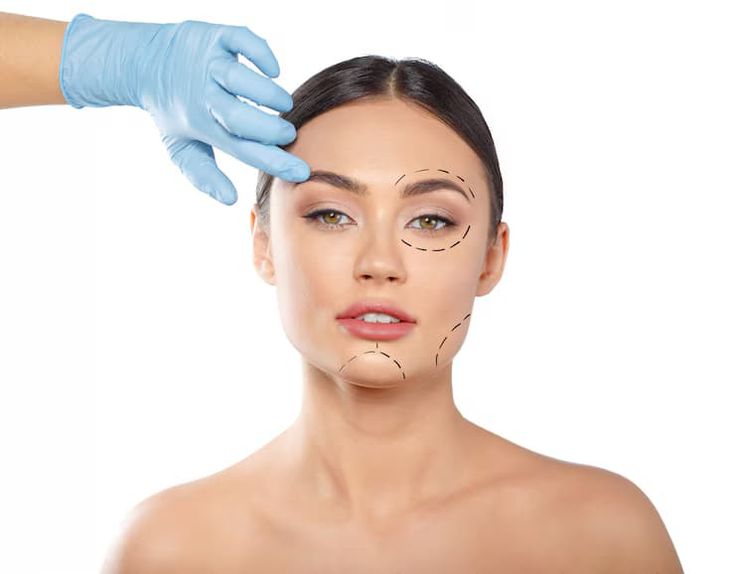
Dermal fillers and skin boosters are injectable aesthetic treatments, often based on hyaluronic acid, but they serve distinct medical and cosmetic purposes. The main difference lies in how they interact with the skin and underlying tissues.

Dermal fillers are designed to replace lost volume and provide structural support to the face. Skin boosters, by contrast, work within the skin layers to improve hydration, elasticity, and overall skin quality without altering facial shape.

Understanding this difference is critical to avoiding unrealistic expectations and selecting the correct treatment based on individual skin needs rather than trends.

What Are Dermal Fillers Used For?

Dermal fillers are classified as medical devices and contain cross-linked hyaluronic acid with a dense consistency. This allows them to lift tissue, reshape contours, and smooth deeper wrinkles.

They are commonly used to restore volume in areas affected by aging, such as the cheeks, jawline, chin, and nasolabial folds. Dermal fillers are most suitable for patients who show visible signs of volume loss, facial sagging, or structural changes related to aging.

Results are visible immediately after treatment, although final outcomes settle within a few days as swelling subsides.

Who Is an Ideal Candidate for Dermal Fillers?

Patients who benefit most from dermal fillers typically experience moderate to advanced aging changes, including facial hollowing or loss of definition. A medical consultation is necessary to assess facial anatomy and determine appropriate injection points.

What Are Skin Boosters and How Do They Work?

Skin boosters use a lighter, non-cross-linked form of hyaluronic acid that spreads evenly within the dermis. Instead of lifting the skin, they improve hydration from within and stimulate collagen production over time.

They are commonly used on the face, neck, décolleté, and hands, especially in patients with dehydrated, dull, or tired-looking skin. Skin boosters do not change facial structure and are therefore preferred by patients seeking subtle, natural improvement.

Results develop gradually over several weeks and usually require a treatment cycle followed by maintenance sessions.

When Are Skin Boosters the Better Choice?

Skin boosters are ideal for patients with early signs of aging, fine lines, reduced elasticity, or skin dehydration. They are also suitable for younger patients who want preventive skin care rather than structural correction.
Dermal Fillers vs Skin Boosters – Clinical Comparison

Medical AspectDermal FillersSkin Boosters
Primary purposeRestore volume and reshape facial contoursImprove hydration and skin quality
Effect on facial structureYes, structural and volumizingNo structural change
Type of hyaluronic acidDense, cross-linkedLight, non-cross-linked
Results visibilityImmediateGradual
Best suited forVolume loss, deep wrinklesDehydrated skin, fine lines
MaintenanceEvery 6–18 monthsRegular maintenance sessions

How to Choose the Right Treatment for Your Skin Type

Selecting the correct treatment depends on skin condition, facial anatomy, and aesthetic goals rather than age alone. A professional medical evaluation helps identify whether the primary concern is volume loss or skin quality.

Key decision factors include:

  • Degree of facial volume loss

  • Skin hydration and elasticity

  • Desired visibility of results

  • Long-term maintenance expectations

In some cases, a combined approach using both treatments may offer optimal results, provided it is medically justified.

Are Dermal Fillers and Skin Boosters Safe in Albania?

Safety is one of the most common concerns among Italian patients considering treatment abroad. Reputable clinics in Albania operate under European medical regulations and use CE-certified injectable products approved across the European Union.

Tirana is located just a one-hour flight from Italy, making it a convenient destination for medical travel. Many clinics employ medical staff who speak Italian, ensuring clear communication throughout consultation, treatment, and follow-up.

When performed by trained medical professionals using certified products, both treatments are considered safe and effective.
Why Italian Patients Choose Tirana Aria Clinic

Italian patients are increasingly choosing Tirana Aria Clinic due to shorter waiting times, transparent pricing, and adherence to European safety standards. Treatments are performed using CE-certified products in a controlled medical environment.

Equally important is the clinic’s focus on patient education, allowing individuals to understand their options fully before making treatment decisions.

FAQs

What is the main difference between dermal fillers and skin boosters?
Dermal fillers restore volume and reshape facial contours, while skin boosters improve hydration and skin quality without altering facial structure.
Both treatments can produce natural results when performed conservatively and according to medical guidelines.

Many clinics have Italian-speaking doctors or patient coordinators.

Yes, but only after a medical assessment confirms that a combined approach is appropriate.
Downtime is minimal, with mild swelling or redness typically resolving within a few days.
Reputable clinics use CE-certified injectable products that comply with EU regulations.
Yes, when treatments are performed in licensed clinics following European medical standards.

© 2025 Tirana Aria Clinic. All Rights Reserved.

Is Botox in Albania Safe? What you need to know about EU Certifications.

Is Botox in Albania Safe? What Italian Patients Need to Know About EU Certifications

Botox is one of the most popular aesthetic treatments in Italy, but high prices, long waiting lists, and limited appointment availability often discourage patients from moving forward. For this reason, many Italian patients are now considering Albania as an alternative destination for Botox treatments. Tirana, in particular, has become a reference point for medical tourism, offering modern clinics, competitive prices, and structured care for international patients.

Still, a key question remains: Is Botox in Albania safe?
This article provides a clear, medical, and evidence-based answer. It explains EU and CE certifications, medical standards, and what Italian patients should know before choosing a clinic abroad, so decisions are made with confidence and full awareness.

Is Botox in Albania Safe for Italian Patients?

Yes, Botox in Albania can be safe when performed in certified clinics that follow European medical standards. Safety depends on three essential factors: the quality of the product, the qualifications of the medical professional, and the clinical environment.

In reputable clinics in Tirana, Botox treatments are carried out using CE-certified botulinum toxin, administered by licensed medical doctors, and performed in controlled medical settings that follow EU-aligned hygiene and safety protocols. These standards are comparable to those used in Italy.

Another important reassurance for Italian patients is accessibility. Tirana is only a one-hour flight from Italy, allowing patients to travel easily without long journeys or extended stays abroad.

What Does CE Certification Mean for Botox Treatments?

CE certification is a fundamental safety requirement for medical and aesthetic products used in Europe. When a Botox product carries a CE mark, it means it has been evaluated and approved according to European regulations for safety, quality, and clinical effectiveness.

In Albania’s leading aesthetic clinics, only CE-certified Botox brands are used—the same products available in Italy and other EU countries. This means the formulation, dosage guidelines, and storage standards are identical.

For Italian patients, this is a crucial point: choosing a CE-certified clinic ensures that the Botox itself is not inferior or unregulated. Patients are always entitled to ask which brand is used and to receive clear confirmation of certification before treatment.

Who Performs Botox Treatments in Albania?

Botox should always be administered by a qualified medical professional. In Albania’s reputable clinics, treatments are performed exclusively by licensed doctors, often specialized in aesthetic medicine, dermatology, or plastic surgery.

Many professionals have international training and extensive experience treating foreign patients. An additional advantage for Italian patients is that many clinics have Italian-speaking doctors or coordinators, ensuring clear communication during consultations, informed consent, and aftercare instructions.

This linguistic support plays an important role in patient safety, as it allows individuals to fully understand the procedure, potential risks, and expected results—just as they would in Italy.

Why Is Botox Cheaper in Albania Than in Italy?

One of the main reasons Italian patients consider Albania is cost. Botox treatments in Albania are generally 40–60% cheaper than in Italy. This difference is not due to lower-quality products or reduced medical standards.

The lower cost is mainly linked to:

  • Reduced clinic operating expenses

  • Lower administrative and tax burdens

  • A competitive private healthcare market

As a result, clinics can offer high-quality treatments at more accessible prices while maintaining European safety standards. Patients also benefit from shorter waiting times, with appointments often available within days rather than weeks.

What Is the Botox Patient Experience Like in Tirana?

The process usually starts with an online consultation, where the patient discusses medical history, aesthetic goals, and expectations. Based on this information, the clinic provides a clear treatment plan and transparent pricing.

Upon arrival in Tirana, the patient undergoes an in-person medical assessment before treatment. The Botox procedure itself is quick, minimally invasive, and typically lasts between 15 and 30 minutes. No hospitalization is required, and downtime is minimal.

Most patients are able to return to Italy within 24–48 hours. Clinics often provide remote follow-up support, ensuring continuity of care once the patient is back home.

How to Choose a Safe Botox Clinic in Albania

Choosing the right clinic is essential for safety and results. Italian patients should always verify the clinic’s credentials and approach to patient care.

 How to Verify Botox Safety

  • CE-certified Botox products

  • Licensed medical doctors performing the treatment

  • EU-aligned hygiene and safety protocols

  • Italian-speaking staff available

  • Transparent pricing and informed consent

  • Clear post-treatment follow-up

This checklist helps patients identify reliable clinics and avoid unsafe or unregulated providers.

FAQs

Is Botox in Albania the same as in Italy?
Yes. CE-certified Botox products used in Albania are the same as those used in Italy.
Yes. Tirana is approximately a one-hour flight from Italy, making travel simple and convenient.
Many clinics have Italian-speaking doctors or patient coordinators.
Clinics provide detailed aftercare instructions and online follow-up support.
Yes. Reputable clinics follow European-aligned medical regulations.
The procedure usually takes 15–30 minutes.

© 2025 Tirana Aria Clinic. All Rights Reserved.

How much can you save on Aesthetic Treatments in Albania?

How Much Can You Save on Aesthetic Treatments in Albania?

High prices, long waiting times, and uncertainty around access often stop Italian patients from pursuing aesthetic treatments at home. In recent years, Albania has emerged as a reliable and increasingly popular alternative, offering high-quality aesthetic medicine at significantly lower costs. Tirana, the capital, is now a recognized medical tourism hub, with modern clinics, experienced specialists, and treatment pathways designed specifically for international patients.

For Italian patients, Albania offers several reassuring advantages: a flight time of approximately one hour, Italian-speaking medical staff, European-compliant clinical standards, and transparent pricing. This article aims to educate patients by clearly explaining potential savings, safety standards, and what to expect throughout the medical journey—so decisions are made with confidence, not pressure.

Why Italian Patients Are Choosing Albania for Aesthetic Treatments

The primary reason Italian patients look abroad for aesthetic procedures is cost. In Italy, cosmetic treatments are paid privately and often come with high clinic fees, regional price differences, and limited availability. Surgical procedures such as rhinoplasty, liposuction, or facelifts can easily exceed several thousand euros, making them inaccessible for many patients.

Albania addresses these challenges by offering comparable medical quality at lower prices, without compromising safety. The reduced costs are linked to lower operational expenses, not reduced clinical standards. Clinics in Tirana are purpose-built for international patients, which allows for faster scheduling, shorter waiting lists, and streamlined care pathways.

Another decisive factor is accessibility. With direct flights from multiple Italian cities and a travel time of about one hour, Albania is easier to reach than many regions within Italy. This proximity allows patients to plan treatment without extended travel or long recovery stays abroad.

How Much Can You Really Save on Aesthetic Treatments in Albania?

Cost transparency is essential for patients considering treatment abroad. On average, Italian patients can save between 50% and 70% on aesthetic treatments in Albania, even after accounting for travel and accommodation. These savings apply to both surgical and non-surgical procedures.

Cost comparison: Italy vs Albania

Aesthetic TreatmentAverage Cost in Italy (€)Average Cost in Albania (€)Estimated Savings
Rhinoplasty4,500 – 5,5001,800 – 3,00050–65%
Liposuction4,000 – 7,0001,500 – 3,00055–70%
Facelift6,000 – 8,0003,000 – 3,60050–60%
Botox / Dermal Fillers400 – 700 per session150 – 300 per session50–60%
Hair Transplant3,000 – 5,0001,500 – 2,50050–60%

Lower prices do not mean lower quality. Clinics use CE-certified medical devices, approved fillers, and internationally recognized surgical techniques. The financial difference is mainly driven by market conditions and operational costs rather than medical shortcuts.

Safety, Quality, and European Medical Standards

Safety is the most common concern among patients considering treatment abroad. Reputable clinics in Albania operate in compliance with European medical standards, using CE-certified implants, devices, and pharmaceuticals. Sterilization protocols, anesthesia practices, and surgical procedures follow EU-aligned guidelines.

Medical professionals often have international training and experience with foreign patients, including Italians. Clear communication is guaranteed through Italian-speaking doctors, nurses, or patient coordinators, which is essential for informed consent and post-treatment instructions.

Transparency is another key element. Patients receive detailed treatment plans, clear explanations of risks and expected outcomes, and written documentation in their own language. This approach helps build trust and ensures that patients remain fully informed at every stage.

The Patient Journey: From Consultation to Recovery

The treatment process typically begins with an online consultation. Patients share medical history, expectations, and images when required. Based on this information, the clinic provides a personalized treatment proposal and a clear cost estimate.

Once the treatment is confirmed, clinics often assist with logistics, including accommodation recommendations and airport transfers. Upon arrival in Tirana, patients undergo an in-person medical evaluation before the procedure to confirm suitability and safety.

After treatment, patients receive structured aftercare instructions and medical supervision. Depending on the procedure, a short recovery stay may be required. Follow-up consultations are frequently conducted online after the patient returns to Italy, ensuring continuity of care and ongoing medical support.

Most Requested Aesthetic Treatments by Italian Patients

Italian patients most commonly seek surgical procedures such as rhinoplasty, liposuction, facelifts, and body contouring. These treatments are often combined to optimize recovery time and overall costs.

Non-surgical procedures are equally popular. Botox, dermal fillers, laser skin treatments, and hair transplantation attract patients who want effective results with minimal downtime. Hair transplants, in particular, are a strong reason patients choose Albania due to advanced techniques and significant cost savings.

Clinics frequently offer personalized aesthetic programs, allowing patients to address multiple concerns during a single visit while maintaining medical safety and predictable outcomes.

Why Italian Patients Choose Albania

  • Savings of up to 70%

  • CE-certified materials and EU protocols

  • Approximately 1-hour flight from Italy

  • Italian-speaking medical staff

  • Short waiting times

  • Structured care for international patients

FAQs

Is Albania safe for aesthetic treatments?
Yes, provided patients choose licensed clinics that follow European medical standards.
No. Many clinics have Italian-speaking staff and coordinators.
Most treatments require a stay of 3 to 10 days, depending on the procedure.

Yes. Clinics that work with international patients use CE-certified medical devices, implants, and surgical materials, in line with European regulations. This includes implants, anesthesia equipment, and operating room technology.

Clinics usually provide online follow-up and detailed aftercare guidance.
Yes, combined treatment plans are common and cost-effective.

Yes our clinic offer free online consultations.

© 2025 Tirana Aria Clinic. All Rights Reserved.

Medical Checks for Plastic Surgery in Albania: What Italian Patients Must Know

Medical Checks for Plastic Surgery in Albania: What Italian Patients Must Know

Choosing to undergo plastic surgery is a deeply personal decision that goes far beyond appearance. For many Italian patients, this decision is accompanied by understandable concerns about safety, medical checks, and the quality of care—especially when considering treatment abroad rather than in Italy.

In recent years, Albania has become an increasingly popular destination for plastic surgery due to more accessible costs and significantly shorter waiting times. Still, one essential question remains at the center of every patient’s mind: are pre-operative medical checks in Albania truly as reliable and thorough as those performed in Italy?

This article aims to provide clear, medically accurate information about the examinations required before plastic surgery in Albania, how the medical pathway works, and what Italian patients should know to feel safe and informed throughout their journey.

What Medical Checks Are Required Before Plastic Surgery?

Pre-operative evaluation is a non-negotiable part of any surgical procedure. Its purpose is to reduce risk, prevent complications, and ensure that the patient is medically fit for surgery.

Why Pre-Operative Medical Checks Are Essential

Medical checks help identify undiagnosed conditions, temporary health issues, or risk factors that could make surgery unsafe. Without a full clinical assessment, even a routine aesthetic procedure can carry unnecessary risks. Responsible clinics will never proceed with surgery unless the patient has been thoroughly evaluated.

Are Pre-Operative Protocols in Albania Comparable to Italy?

In private clinics that follow European medical standards, pre-operative protocols are aligned with those used in Italy. Surgery is never performed without documented medical clearance, regardless of the type of plastic procedure planned.

Which Pre-Operative Tests Are Required for Italian Patients in Albania?

The exact tests depend on the type of surgery, the patient’s age, and medical history. However, all plastic surgery procedures follow a core diagnostic protocol.

Blood Tests and General Health Assessment

Comprehensive blood tests are performed to evaluate liver and kidney function, blood clotting ability, inflammatory markers, and possible infections. These results are critical to minimizing intraoperative and post-operative risks.

Electrocardiogram and Cardiac Evaluation

An electrocardiogram is essential to assess heart health, especially for patients over forty or those with cardiovascular risk factors. When necessary, further cardiological evaluation is requested before surgery is approved.

Anesthesiology Consultation Before Surgery

The anesthesiology visit is one of the most important steps in the process. During this consultation, the anesthesiologist reviews the patient’s medical history, allergies, medications, and previous surgeries. Based on this evaluation, the safest type of anesthesia is selected.

Additional Tests Based on the Type of Plastic Surgery

Certain procedures, such as breast or abdominal surgery, require additional imaging or diagnostic exams. These may include ultrasound scans, mammography, or chest imaging. A key advantage for Italian patients is that these tests are usually performed directly at the clinic in Albania, often within a single day.

Are Medical Standards in Albania Comparable to European Standards?

In high-level private clinics, the answer is yes. Facilities that treat international patients operate in compliance with European Union medical regulations and use CE-certified medical devices and materials.

Certified Materials and Modern Operating Rooms

Surgical instruments, implants, and medical devices are identical to those used in major European healthcare centers. Operating rooms are modern, fully equipped, and designed to meet strict safety and hygiene standards.

Who Determines Whether a Patient Is Fit for Surgery?

Medical clearance is never the decision of a single professional. It is the result of a coordinated evaluation process involving multiple specialists.

The Role of a Multidisciplinary Medical Team

The plastic surgeon, anesthesiologist, and other specialists work together to assess surgical eligibility. If any condition compromises patient safety, surgery is postponed or canceled. This approach prioritizes patient well-being over scheduling or financial considerations.

Why Are More Italian Patients Choosing Albania for Plastic Surgery?

Cost is certainly a factor, as procedures in Albania are significantly more affordable than in Italy. However, affordability alone does not explain the growing trend.

Costs, Waiting Times, and Efficient Medical Pathways

In Albania, there are no long waiting lists. The entire medical pathway, including consultations, diagnostic tests, and surgery, is often completed within a few days. Tirana is located just one hour by flight from Italy, with frequent connections that make travel easy and manageable.

Is Language a Barrier for Italian Patients?

Clear communication is essential in any medical setting, especially before surgery.

The Importance of Italian-Speaking Medical Staff

In clinics accustomed to treating Italian patients, doctors and nursing staff speak Italian fluently. Medical explanations, informed consent, and post-operative instructions are provided in Italian, ensuring full understanding and reducing anxiety.

What Should Italian Patients Verify Before Traveling to Albania?

Before scheduling plastic surgery abroad, patients should ensure that the medical pathway includes complete pre-operative testing, mandatory anesthesiology evaluation, CE-certified materials, and treatment in a licensed medical facility. The surgeon’s specialization and the availability of Italian-speaking staff are equally important.

These elements are not optional. They are the foundation of safe surgical care.


Are Post-Operative Checks Provided for International Patients?

Yes, in properly structured clinics, post-operative care is an integral part of the treatment process.

Post-Surgery Monitoring and Follow-Up Care

After surgery, patients are monitored daily and receive detailed recovery instructions. Follow-up support continues after the patient returns to Italy, often through remote consultations. Post-operative care is essential for detecting complications early and ensuring proper healing.


Conclusion: Informed Patients Make Safer Choices

Undergoing plastic surgery in Albania can be a safe and well-informed choice when based on accurate information and proper medical standards. Pre-operative medical checks performed in clinics such as Tirana Aria Clinic follow European protocols and provide Italian patients with a clear, efficient, and transparent medical journey.

Understanding which tests are required, who evaluates them, and how decisions are made is the best way to reduce fear and approach surgery with confidence.

FAQs

Are pre-operative medical checks in Albania mandatory for plastic surgery?
Yes. In reputable private clinics, pre-operative medical checks are mandatory and cannot be skipped. Surgery is only performed after the patient has been clinically evaluated and declared fit for the procedure by both the surgeon and the anesthesiologist.
In high-level private clinics, the diagnostic protocols are comparable to those used in Italy. Blood tests, cardiac evaluation, anesthesiology consultation, and procedure-specific exams are standard and follow European clinical guidelines.
In some cases, recent tests performed in Italy may be accepted, but most clinics prefer to repeat key examinations on-site. This ensures accuracy, up-to-date results, and full responsibility for patient safety before surgery.
Yes. Clinics that work with international patients use CE-certified medical devices, implants, and surgical materials, in line with European regulations. This includes implants, anesthesia equipment, and operating room technology.
Medical clearance is decided by a multidisciplinary team, usually involving the plastic surgeon and the anesthesiologist. If any health condition increases surgical risk, the procedure may be postponed or canceled in the patient’s best interest.
No. Clinics experienced with Italian patients provide Italian-speaking medical and support staff. This ensures clear communication, proper understanding of informed consent, and accurate post-operative instructions.
In most cases, the entire process—including medical tests, surgery, and initial recovery—can be completed within a few days. This is possible thanks to the absence of long waiting lists and the efficient organization of care.
Yes. Structured clinics provide post-operative follow-up, including remote consultations if needed. Patients receive detailed recovery guidelines and remain in contact with the medical team after returning home.

© 2025 Tirana Aria Clinic. All Rights Reserved.
How Long Do Aesthetic Treatment Results Last? Botox, Fillers, and Skin Therapies Explained

How Long Do Aesthetic Treatment Results Last? Botox, Fillers, and Skin Therapies Explained

When considering aesthetic medicine, one of the first and most important questions patients ask is: “How long will the results last?” This is not just about appearance—it’s about value, safety, expectations, and long-term planning.

For many Italian patients, the decision is complicated by high treatment costs in Italy, long waiting lists, and uncertainty about whether seeking care abroad can truly meet the same quality standards. Albania, and especially Tirana, has emerged as a reliable alternative—but only when patients are properly informed.

This guide provides clear, medically grounded explanations of how long Botox, dermal fillers, and skin therapies really last, and what patients should consider to make a safe, confident choice.

Facial Aesthetic Treatments

How Long Does Botox Really Last and Why Is It Temporary?

Botox (botulinum toxin type A) is one of the most widely performed non-surgical aesthetic treatments worldwide. It is used to soften dynamic wrinkles caused by repetitive muscle movement, such as forehead lines, frown lines, and crow’s feet.

Average duration of Botox results

Botox results typically last between 3 and 6 months.

The treatment works by temporarily relaxing targeted facial muscles. Over time, nerve activity gradually returns, muscle movement resumes, and wrinkles slowly reappear. This gradual reversal is intentional and contributes to Botox’s strong safety profile.

Factors that influence how long Botox lasts

Botox duration varies from patient to patient and depends on:

  • Individual metabolism

  • Strength and activity of facial muscles

  • Area treated

  • Dosage and injection technique

  • Experience of the treating physician

Patients receiving Botox for the first time may notice shorter-lasting results. With consistent, properly spaced treatments, many patients experience longer-lasting and more balanced outcomes over time.

Dermal Fillers: How Long Do They Last and What Makes the Difference?

Dermal fillers are used to restore lost volume, improve facial contours, and smooth static wrinkles. The most commonly used fillers are based on hyaluronic acid, a substance naturally found in the body.

Average duration of dermal fillers

Most hyaluronic acid fillers last between 6 and 18 months.

Why filler longevity varies

Several factors affect how long fillers remain effective:

  • Filler density and formulation

  • Injection depth and technique

  • Area treated (lips metabolize filler faster than cheeks or jawline)

  • Lifestyle factors such as smoking, sun exposure, and stress

High-quality fillers that are CE-certified and correctly injected are gradually and safely reabsorbed by the body, without leaving permanent residue or damaging tissue.

Skin Treatments: Peels, PRP, and Laser Results Over Time

Beyond Botox and fillers, many patients choose non-invasive skin therapies to improve skin quality, tone, and elasticity.

Chemical peels

Chemical peels help reduce pigmentation, acne, uneven texture, and dullness.
Results typically last 3 to 6 months, especially when combined with proper skincare and sun protection. Seasonal treatment cycles can significantly extend benefits.

PRP (Platelet-Rich Plasma)

PRP uses the patient’s own blood components to stimulate collagen production and cellular regeneration.
Results develop gradually and can last up to 12 months, making PRP an excellent option for patients seeking natural-looking skin rejuvenation.

Laser and radiofrequency treatments

These technologies stimulate deeper collagen layers and improve firmness and texture.
When performed in treatment cycles, results are longer-lasting, with annual maintenance often recommended.

How Often Should Aesthetic Treatments Be Repeated?

There is no universal treatment schedule. A responsible aesthetic physician creates a personalized treatment plan based on the patient’s age, skin condition, facial anatomy, and goals.

General guidelines include:

  • Botox: every 5–6 months

  • Dermal fillers: approximately once per year

  • Skin therapies: 1–2 cycles per year

A conservative, medically guided approach ensures natural results and long-term skin health.

Why More Italian Patients Choose Albania for Aesthetic Medicine

In recent years, Albania has become a trusted destination for international patients seeking aesthetic treatments.

Key reasons include:

  • Up to 50% lower costs compared to Italy

  • No long waiting lists

  • Modern clinics with advanced technology

  • Compliance with European (CE) medical standards

Tirana is located just one hour by flight from Italy, with frequent connections. This proximity allows patients to travel easily, undergo treatment, and return home quickly, while still having access to follow-up support.

Safety and Quality: What Patients Should Always Verify

Aesthetic medicine is a medical act and should never be treated casually. Choosing the right clinic is essential.

Quick Checklist for Informed Patients

  • Use of CE-certified materials and devices

  • Qualified, experienced medical professionals

  • Thorough pre-treatment consultation

  • Italian-speaking medical staff

  • Fully licensed and transparent medical facility

Clinics such as Tirana Aria Clinic meet these criteria, offering Italian patients a safe, professional environment with clear communication and patient-centered care.

FAQs

Can Botox damage the face over time?
No. When administered correctly by a qualified physician, Botox is temporary and does not damage facial tissues.
Yes, when CE-certified fillers are used and injected by trained medical professionals. Hyaluronic acid is biocompatible and naturally reabsorbed.
Initial effects appear within 3–5 days, with full results visible after 10–14 days.
Yes, provided the clinic meets European medical standards and employs qualified professionals.
In most cases, no. Reputable clinics offer remote follow-up and guidance if needed.
Yes. Botox, fillers, and skin treatments are often combined for a balanced, natural result.

Yes. Italian-speaking doctors and coordinators ensure clear communication during evaluation, surgery, and recovery.

Yes. Inadequate recovery time increases the risk of complications and can negatively impact surgical outcomes.

© 2025 Tirana Aria Clinic. All Rights Reserved.

How Many Days Do You Need in Albania for Plastic Surgery? A Medical Planning Guide

How Many Days Do You Need in Albania for Plastic Surgery? A Medical Planning Guide for Italians

For Italian patients considering plastic surgery abroad, one of the most important questions is not only which procedure to choose, but how much time is realistically needed to undergo surgery safely. Planning too few days can increase medical risks, while planning too many days can create unnecessary stress and additional costs.

This guide explains, from a medical planning perspective, how many days Italian patients typically need to stay in Albania for plastic surgery, why timing is clinically important, and how structured care makes medical travel predictable and safe.

Why length of stay is a medical decision, not a travel preference

Many Italian patients initially approach medical travel from a logistical point of view, focusing on flights, accommodation, and work leave. However, the length of stay after plastic surgery is primarily a medical requirement, not a personal preference.

Plastic surgery involves anesthesia, tissue trauma, fluid shifts, and post-operative monitoring. Leaving too early can prevent doctors from identifying complications such as bleeding, infection, or abnormal swelling. Clinics that follow European medical ethics do not allow patients to leave based solely on convenience.

At Tirana Aria Clinic, the recommended length of stay is defined by clinical recovery markers and European-standard protocols, not by fixed tourism packages.

How many days do Italian patients usually stay in Albania?

Most Italian patients stay in Albania between 5 and 10 days, depending on the type of plastic surgery performed. This timeframe allows for proper pre-operative evaluation, the surgical procedure itself, early recovery, and medical clearance for travel.

Minor facial procedures may require shorter stays, while body contouring, breast surgery, or combined procedures often require longer observation. An important logistical advantage is that Tirana is only about one hour by direct flight from Italy, making return travel physically manageable once doctors approve it.

Why arriving before surgery is medically important

Patients are typically advised to arrive one to two days before surgery. These days are used for final medical evaluations, blood tests, imaging if required, and anesthesiology clearance.

This process mirrors pre-operative protocols used in Italy and ensures that surgery is performed under optimal and safe conditions. It also allows time to identify and manage any last-minute medical findings without pressure.

Doctors and coordinators speak fluent Italian, ensuring that patients fully understand preparation steps, potential risks, and informed consent before surgery takes place.

Why you cannot leave immediately after surgery

After plastic surgery, the body needs time to stabilize. The first 48 to 72 hours are the most critical period for detecting early complications and ensuring proper pain control, wound healing, and mobility.

During this phase, medical teams monitor vital signs, drainage if present, swelling, and overall recovery. Clinics operating under European (CE) medical standards do not approve travel until patients meet strict safety criteria.

Leaving prematurely can increase the risk of complications during travel and may negatively affect surgical outcomes.

How the type of procedure influences length of stay

Different plastic surgery procedures require different recovery timelines. Facial surgeries such as rhinoplasty or eyelid surgery often allow earlier travel, while liposuction, breast surgery, or abdominoplasty require longer monitoring.

Combined procedures place additional stress on the body and almost always require extended stays. For this reason, responsible clinics plan recovery on an individual basis, rather than offering generic timelines for all patients.

What happens after returning to Italy?

After returning to Italy, patients are not left without medical support. Reputable clinics provide structured follow-up through remote consultations, written discharge summaries, and clear recovery instructions.

This continuity of care allows patients to recover safely at home while remaining connected to their surgical team for guidance and reassurance.

Planning your stay for plastic surgery in Albania

  • Arrive 1–2 days before surgery for medical evaluation

  • Stay at least 3–7 days after surgery, depending on the procedure

  • Do not travel until you receive medical clearance

  • Ensure discharge documentation and follow-up instructions are provided

  • Confirm Italian-speaking medical support is available

Why Albania is a practical choice for Italian patients

Beyond cost considerations, Albania offers practical advantages for Italian patients. Short travel time reduces physical strain, while shorter waiting lists allow surgery to be scheduled without long delays.

Clinics that follow European standards and provide coordinated logistics make Albania a realistic and safe option for patients seeking timely, high-quality plastic surgery abroad.


Conclusion: Proper timing protects both health and results

Understanding how many days you need in Albania for plastic surgery is essential for safety, recovery, and long-term results. Adequate time allows doctors to monitor healing, manage early risks, and confirm that travel is safe.

When surgery is planned according to European standards, with CE-certified protocols and Italian-speaking staff, Italian patients can approach treatment abroad with confidence. Time planning is not an inconvenience—it is a fundamental part of responsible medical care.

FAQs

Can I leave Albania the day after plastic surgery?
No. Leaving the day after surgery is not medically safe. The first 48–72 hours are essential for monitoring complications and ensuring stability before travel.
No. Length of stay depends on the procedure performed, the type of anesthesia, and individual recovery. More complex or combined procedures require longer monitoring.
Feeling well does not always reflect internal healing. Doctors base recommendations on objective clinical criteria to protect patient safety.
Yes, once medically cleared. The short flight from Albania to Italy reduces physical stress compared to long-distance travel.
Yes. Post-operative evaluations are essential to assess healing, swelling, and overall readiness for travel.
Patients receive discharge documentation and access to remote follow-up support to guide recovery at home.
Yes. Italian-speaking doctors and coordinators ensure clear communication during evaluation, surgery, and recovery.
Yes. Inadequate recovery time increases the risk of complications and can negatively impact surgical outcomes.

© 2025 Tirana Aria Clinic. All Rights Reserved.

Dental Veneers vs Crowns: Which Option Is Better for Italians?

Dental Veneers vs Crowns: Which Option Is Better for Italians?

For many Italian patients considering dental treatment abroad, choosing between dental veneers and dental crowns can feel overwhelming. Both options are widely used to restore the appearance of teeth, yet they serve different medical purposes and are appropriate in different clinical situations.

When treatment is planned outside Italy, patients often have additional concerns. Questions about material quality, long-term durability, and whether the recommendation is truly medical rather than commercial are common. This article explains, in clear and clinical terms, the differences between veneers and crowns, when each option is appropriate, and how Italian patients can make a safe and informed decision when considering treatment in Albania.

Why choosing between veneers and crowns is a medical decision

Many Italian patients initially focus on cost. In Italy, veneers and crowns are often associated with high prices and long waiting lists, which naturally encourages patients to explore treatment abroad. However, the choice between veneers and crowns should never be based on price alone.

Veneers and crowns address different clinical needs. Choosing the wrong solution can weaken a tooth, shorten the lifespan of the restoration, or lead to further dental problems. A responsible clinic evaluates tooth structure, bite function, and long-term prognosis before recommending either option.

At Tirana Aria Clinic, treatment planning follows European clinical guidelines and prioritizes conservative dentistry whenever possible, using CE-certified materials and evidence-based protocols.

What are dental veneers and when are they recommended?

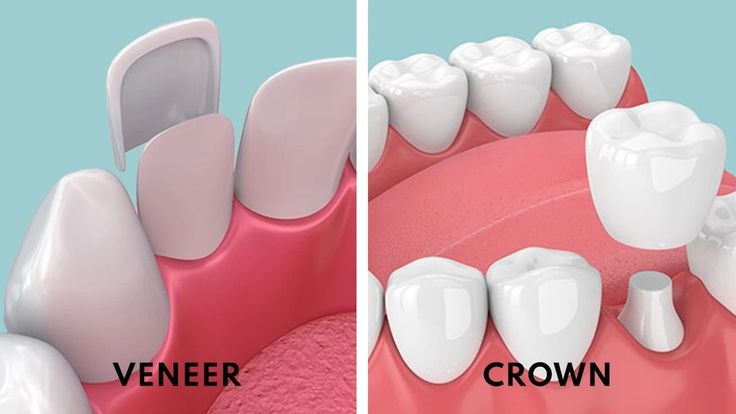
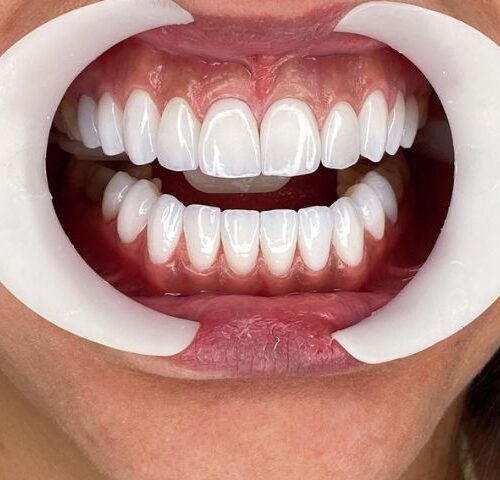
Dental veneers are thin ceramic shells bonded to the front surface of the teeth. Their primary purpose is aesthetic improvement rather than structural reinforcement. Veneers are typically used to correct discoloration, minor shape irregularities, small gaps, or mild misalignment.

Because veneers require minimal tooth reduction, they are considered a conservative option when the natural tooth structure is healthy and strong. They preserve most of the original enamel, which is important for long-term oral health.

However, veneers are not suitable for teeth that are heavily filled, cracked, or structurally compromised. In these cases, veneers may not provide sufficient support and could fail prematurely.

What are dental crowns and when are they necessary?

Dental crowns cover the entire tooth, restoring both its appearance and its strength. Unlike veneers, crowns are used when a tooth is weakened by decay, large restorations, fractures, or after root canal treatment.

Crowns are designed to withstand higher chewing forces and protect the underlying tooth from further damage. This makes them the preferred option for teeth that require structural reinforcement rather than purely cosmetic correction.

The trade-off is that crowns require more tooth preparation. For this reason, crowns are recommended only when medically necessary, not as a first option for cosmetic changes.

Are the materials used in Albania the same as in Italy?

One of the most frequent concerns among Italian patients is whether lower prices abroad mean lower-quality materials. In properly regulated clinics, this is not the case.

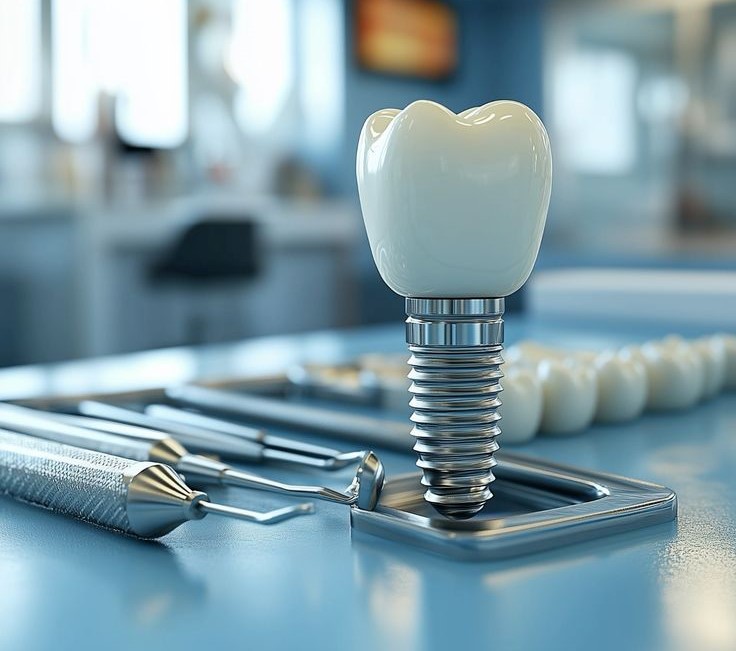
Reputable dental clinics in Albania use CE-certified ceramics, such as zirconia and lithium disilicate, for both veneers and crowns. These materials are identical to those used in Italy and throughout Europe and are regulated under the same European medical device standards.

Material quality depends on the clinic’s sourcing and protocols, not on the country itself. CE certification ensures safety, biocompatibility, and long-term performance.

Why veneers and crowns cost less in Albania

The lower cost of dental treatment in Albania does not come from reduced material quality. Instead, it reflects differences in operational expenses, labor costs, and clinic overhead.

Italian patients benefit from the same materials and clinical standards while paying less due to structural cost differences. Shorter waiting times and more flexible scheduling further improve access to care without compromising safety.

How a proper evaluation determines veneers versus crowns

A correct treatment decision begins with a comprehensive dental evaluation. This includes assessing enamel thickness, tooth vitality, bite alignment, and the presence of existing restorations.

Clinics that follow medical ethics explain clearly why a veneer or crown is recommended, including the advantages, limitations, and long-term implications of each option. For Italian patients, this explanation is essential to making an informed choice.

At Tirana Aria Clinic, doctors and patient coordinators speak fluent Italian, ensuring that patients fully understand the medical reasoning behind the proposed treatment plan.

Choosing between veneers and crowns safely

  • Veneers are suitable for healthy teeth with aesthetic concerns

  • Crowns are necessary for teeth that are structurally weakened

  • CE-certified materials must be used in both treatments

  • The recommendation should be based on tooth health, not cost

  • Clear explanations in Italian support informed consent

Why Albania is a practical option for Italian patients

Another key reassurance is proximity. Tirana is approximately one hour by direct flight from Italy, making travel quick and manageable.

This short distance allows Italian patients to receive treatment abroad without the challenges associated with long-distance medical travel. Follow-up communication and additional visits remain simple and accessible.


What happens after treatment when returning to Italy?

After returning to Italy, patients receive complete documentation of the treatment performed and the materials used. Reputable clinics also provide remote follow-up support and long-term care instructions.

This continuity of care helps patients feel secure and supported even after leaving Albania, which is especially important for restorative dental procedures.


Conclusion: The best choice depends on your tooth, not the trend

There is no universally “better” option between dental veneers and crowns. The correct choice depends on the condition of the tooth, functional needs, and long-term oral health goals.

When treatment is planned according to European standards, using CE-certified materials and transparent medical reasoning, Italian patients can confidently choose dental care abroad. Education and clarity—not sales pressure—are the foundation of safe and successful dental treatment.

FAQs

Are dental veneers or crowns more durable in the long term?
Dental crowns are generally more durable because they cover and protect the entire tooth structure. Veneers can last many years as well, but they are best suited for teeth that are already structurally healthy.
No. Veneers usually require less tooth reduction than crowns. Crowns involve more preparation because they encase the whole tooth, which is why they are recommended only when structurally necessary.
In most cases, teeth with large fillings or structural weakness are better treated with crowns. Veneers may not bond reliably in these situations and could fail prematurely.

Yes. Materials such as zirconia and lithium disilicate are commonly used in both countries.

Both treatments can achieve excellent aesthetic results. Veneers are often chosen for cosmetic refinement, while crowns balance aesthetics with structural reinforcement. The final appearance depends more on planning and material quality than on the type of restoration.
Yes. In many cases, dentists combine veneers and crowns in a single treatment plan, depending on the condition of each tooth. This approach allows for both optimal aesthetics and proper structural support.
With proper oral hygiene and regular dental check-ups, veneers typically last 10–15 years, while crowns can last 15 years or longer. Longevity depends on bite forces, habits, and maintenance.
After returning to Italy, patients receive full documentation of materials and treatment. Many clinics also offer remote follow-up support and guidance, allowing continuity of care even after treatment abroad.

© 2025 Tirana Aria Clinic. All Rights Reserved.

Dental Materials Used in Albania: Are They the Same as in Italy?

Dental Materials Used in Albania: Are They the Same as in Italy?

When Italian patients consider dental treatment abroad, one of the first and most legitimate concerns is the quality of materials. A common question is:
“Are the dental materials used in Albania really the same as those used in Italy?” Dental materials are not a minor detail. They directly influence treatment safety, durability, biocompatibility, and long-term oral health. This article explains, from a clinical and regulatory perspective, which dental materials are used in Albania, how they compare with those used in Italy, and what Italian patients should verify before choosing a dental clinic.

Why dental material quality matters so much to Italian patients

In Italy, dentistry is associated with high professional standards, strict regulations, and advanced materials—but also with high costs and long waiting times. When patients start exploring dental care abroad, concerns naturally arise about whether lower prices mean compromised quality.

In reality, dental material quality is not determined by geography, but by regulatory compliance, sourcing, and clinical protocols. When these elements are respected, the materials used abroad can be identical to those used in Italy.

At Tirana Aria Clinic, dental treatments are performed using CE-certified materials from internationally recognized manufacturers. These are the same categories of materials commonly used in Italian dental clinics, selected for safety, durability, and clinical reliability. 

Are dental materials in Albania regulated in the same way as in Italy?

Yes. Dental materials used in Albania must comply with European CE certification standards, which regulate medical devices throughout Europe. CE marking is mandatory for dental implants, prosthetic components, crowns, veneers, bonding agents, and surgical instruments.

This regulatory framework ensures that materials meet strict requirements for biocompatibility, mechanical strength, and manufacturing quality. The same CE regulations apply in Italy, meaning that a CE-certified implant or crown used in Albania must meet identical safety criteria.

Clinics that follow these regulations are required to maintain detailed documentation, sterilization protocols, and full material traceability. This level of oversight is fundamental for patient safety and long-term treatment success.

What types of dental materials are commonly used in modern Albanian clinics?

Understanding the materials used helps patients evaluate treatment quality based on facts rather than assumptions.

Restorative and prosthetic materials

High-quality clinics use advanced ceramics such as zirconia and lithium disilicate for crowns, bridges, and veneers. These materials are valued for their strength, natural aesthetics, and excellent tissue compatibility. They are widely used in Italy and across Europe for both functional and cosmetic dentistry.

Dental implants and surgical components

Dental implants are typically made from medical-grade titanium or titanium alloys. These materials are internationally recognized for their ability to integrate with bone tissue and provide long-term stability. The implant systems used in Albania follow the same material standards as those used in Italian implantology.

Adhesives and bonding systems

Modern dentistry relies heavily on high-performance bonding agents and cements. CE-certified adhesives are used to ensure that restorations remain stable over time, reducing the risk of detachment, leakage, or premature failure.

Why dental treatments cost less if the materials are the same

One of the most common misunderstandings is that lower prices must mean lower-quality materials. In practice, the cost difference is structural, not medical.

Lower operational expenses, reduced labor costs, and more efficient clinic management allow Albanian dental centers to offer treatment at significantly lower prices. Importantly, these savings do not require compromising on materials or safety standards.

Italian patients benefit from the same material quality while paying less due to differences in overhead, taxation, and operational costs—not because corners are being cut.

How clinics ensure material safety and full traceability

Reputable dental clinics maintain full traceability for all materials used. This means that every implant, crown, or prosthetic component can be traced back to its manufacturer, batch number, and certification documentation.

This system is essential for patient safety and long-term follow-up. It allows dentists to provide accurate documentation if future maintenance or adjustments are needed, either in Albania or after returning to Italy.

Clinics that cannot provide this level of documentation should be approached with caution.

How Italian patients can verify dental material quality

  • Confirm that all materials are CE-certified

  • Ask for documentation for implants and prosthetic components

  • Verify the use of internationally recognized manufacturers

  • Ensure sterilization follows European medical protocols

  • Communicate directly with Italian-speaking medical staff

Communication and trust: the role of Italian-speaking staff

Dental treatments involve technical explanations and informed consent. Language barriers can create uncertainty and misunderstandings, especially when discussing material choices and long-term outcomes.

At Tirana Aria Clinic, doctors and patient coordinators speak fluent Italian, allowing patients to ask detailed questions about materials, procedures, and durability. Clear communication builds trust and ensures that patients fully understand their treatment options before making decisions.

Proximity to Italy: why location matters for dental care

Another important reassurance for Italian patients is proximity. Tirana is approximately one hour by direct flight from Italy, making travel quick and manageable.

This short distance simplifies treatment planning, follow-up visits, and recovery logistics. Patients can return home shortly after treatment without the stress associated with long-distance medical travel.


What happens after returning to Italy?

After returning to Italy, patients are not left without support. Clinics that treat international patients provide structured follow-up, including access to medical documentation, remote communication, and guidance for long-term oral care.

This continuity of care is essential for reassurance and ensures that patients feel supported beyond the initial treatment phase.


Conclusion: Same materials, same standards, informed choices

Dental materials used in Albania are the same as those used in Italy when treatment is performed in a properly regulated clinic. CE certification, European medical standards, and transparent sourcing ensure safety, durability, and reliability.

For Italian patients, understanding how dental materials are regulated removes uncertainty and allows for confident decision-making. When quality, communication, and standards align, dental treatment in Albania becomes a medically sound and responsible choice.

FAQs

Are dental implants used in Albania really the same as those in Italy?
Yes. Reputable clinics use CE-certified implant systems made from medical-grade titanium, identical in material standards to those used in Italy.
Yes. Clinics should provide documentation showing the brand, certification, and traceability of implants and prosthetic components.
No. Lower prices are usually due to reduced operational and labor costs, not inferior materials.
Yes. Materials such as zirconia and lithium disilicate are commonly used in both countries.
In properly regulated clinics, sterilization protocols follow European medical guidelines and are strictly controlled.
You will receive documentation and guidance for follow-up care, and many clinics offer remote support after you return home.

You can ask directly about CE certification, request documentation, and confirm the use of internationally recognized brands.

Yes. Many clinics treating Italian patients have Italian-speaking doctors and coordinators to ensure clear communication.

© 2025 Tirana Aria Clinic. All Rights Reserved.

Sport, Gym, and Work After Hair Transplant: Safe Timelines

Sport, Gym, and Work After Hair Transplant: Safe Timelines Explained

For many Italian patients considering a hair transplant abroad, the biggest concern is not the surgery itself, but how quickly they can return to normal life. Questions about work schedules, gym routines, and sports activities often determine whether patients feel confident moving forward with treatment.

Understanding safe timelines for returning to sport, gym, and work after a hair transplant is essential to protect the transplanted follicles and ensure long-term success. This article provides a clear, medically accurate explanation of recovery phases, helping Italian patients plan responsibly when choosing treatment in Albania.

Why physical activity restrictions matter after a hair transplant

Although a hair transplant is minimally invasive, it remains a medical procedure that involves thousands of micro-incisions in the scalp. During the first weeks after surgery, newly transplanted follicles are fragile and must securely anchor into their new location. Excessive movement, sweating, or pressure can interfere with this process.

Many Italian patients worry that treatment abroad may require extended downtime. In reality, when the procedure is performed in a clinic following European medical protocols, recovery timelines are predictable and manageable. At Tirana Aria Clinic, post-operative instructions are structured to balance safety with a realistic return to daily activities, without unnecessary restrictions.

When can I return to work after a hair transplant?

Returning to work is one of the most common concerns, especially for patients with limited time off or professional responsibilities. The timing largely depends on the physical demands of the job and the visibility of post-operative signs.

Office-based and sedentary work

Patients with desk jobs or remote work can usually return within 5 to 7 days after the procedure. By this point, swelling has significantly reduced, discomfort is minimal, and the scalp is healing normally. Any remaining redness can often be concealed easily, allowing patients to resume professional activities without concern.

Physically demanding occupations

Jobs that involve physical exertion, heavy lifting, exposure to heat, or mandatory headgear require a more cautious approach. In these cases, doctors typically recommend waiting 10 to 14 days before returning to work. This reduces the risk of excessive sweating, scalp trauma, or delayed healing.

For Italian patients, logistics are simplified because Tirana is only about one hour by direct flight from Italy, making it easier to schedule treatment without prolonged absence from work.

When is it safe to go back to the gym?

Gym activity introduces several risk factors in the early post-operative period, including increased blood pressure, sweating, and accidental contact with equipment. For this reason, medical guidelines are conservative during the initial phase.

First 7 to 10 days

During this period, gym activity should be completely avoided. The transplanted grafts are still stabilizing, and any strain or sweat can increase inflammation or infection risk. Patients are advised to focus on rest and light daily movement only.

After 10 to 14 days

Light activities such as slow walking on a treadmill may be reintroduced, provided there is no excessive sweating and medical approval has been given. Strength training and high-intensity workouts are still discouraged at this stage.

After 3 to 4 weeks

Most patients can gradually resume full gym routines. Weightlifting, cardio, and resistance training may be restarted cautiously, avoiding direct pressure on the scalp. Gradual progression is key to protecting long-term results.

When can I safely return to sports?

Sports present additional considerations beyond general fitness, especially those involving impact, sudden movements, or protective equipment.

Low-impact sports

Activities such as walking, light cycling, or gentle stretching can often be resumed after 10 to 14 days, assuming the healing process is progressing normally and there are no complications.

High-impact or contact sports

Football, basketball, martial arts, rugby, and similar sports place direct stress on the scalp and significantly increase the risk of graft trauma. These activities should be avoided for at least 4 to 6 weeks. In some cases, longer rest periods may be recommended depending on individual healing.

Medical clearance should always be obtained before returning to any sport, particularly at competitive or high-intensity levels.

Why sweating and scalp friction are medically significant

Sweating creates a warm, moist environment that can irritate healing skin and increase infection risk. Additionally, friction from helmets, hats, or headbands may dislodge grafts before they are fully anchored.

Clinics that follow European (CE) medical standards emphasize individualized recovery timelines rather than generic advice. The goal is not speed, but stability and long-term graft survival. This approach mirrors best practices used in leading Italian medical centers.

Quick checklist: Safe return to daily activities after hair transplant

  • Office work is usually possible after 5–7 days

  • Gym activity should resume gradually after 2–4 weeks

  • Contact sports require at least 4–6 weeks of recovery

  • Excessive sweating and scalp friction must be avoided early

  • Medical clearance is essential before resuming intense activity

How post-operative guidance is managed in Tirana

At Tirana Aria Clinic, recovery timelines are explained in detail before surgery and reinforced through in-person follow-ups. Instructions are personalized, taking into account healing progress, lifestyle, and professional needs.

An important reassurance for Italian patients is that doctors and patient coordinators speak fluent Italian, ensuring that medical advice, restrictions, and recovery milestones are fully understood without language barriers. All protocols align with CE-certified standards and international medical guidelines.

What happens after returning to Italy?

After returning to Italy, patients are not left without support. Structured remote follow-up allows the medical team to monitor healing, review progress photos, and adjust activity recommendations when needed.

This continuity of care addresses one of the most common fears associated with medical travel and provides long-term reassurance throughout the recovery process.


Conclusion: Recovery is part of the treatment, not an afterthought

Knowing when to return to sport, gym, and work after a hair transplant is as important as the procedure itself. Respecting medically guided timelines protects the transplanted follicles, preserves donor area health, and maximizes long-term results.

When treatment is performed in a clinic that follows European standards, offers Italian-language support, and is located just one hour from Italy, Italian patients can confidently combine high medical quality with practical recovery planning. A successful hair transplant is not rushed—it is carefully managed from surgery through full recovery.

FAQs

Can returning to work too early affect my hair transplant results?
Returning to work too early does not usually affect results if the job is sedentary. However, physically demanding work, exposure to heat, or mandatory headgear can increase the risk of irritation or delayed healing. Medical advice should always be followed based on the type of work performed.
Excessive sweating in the early recovery phase can irritate the scalp and increase the risk of infection. While light sweating is unavoidable, intense physical activity that causes heavy perspiration should be avoided until the scalp has healed sufficiently.
Weightlifting should generally be avoided for the first two weeks after surgery. Heavy lifting increases blood pressure and scalp tension, which can interfere with graft stabilization. Most patients can gradually resume weight training after 3–4 weeks with medical approval.
Yes, wearing helmets or hard hats too early can cause friction and pressure on newly transplanted follicles. Patients whose work or sports require head protection are usually advised to wait at least 3–4 weeks before resuming these activities.
Yes, as long as recovery timelines are respected. Patients receive clear post-operative guidelines and can continue recovery safely after returning to Italy, with remote medical support available if questions arise.
The general recovery timelines are similar for both techniques. However, individual healing rates may vary depending on scalp sensitivity, graft numbers, and personal health factors. Medical guidance should always be personalized.
Occasional minor activity is unlikely to cause serious damage, but repeated or intense physical activity too soon can increase the risk of inflammation or graft loss. If this occurs, patients should contact their medical team promptly for guidance.
Yes. Respecting medically recommended timelines for work, gym, and sports significantly improves graft survival, healing quality, and long-term hair density. Recovery is a critical part of the treatment, not an optional phase.

© 2025 Tirana Aria Clinic. All Rights Reserved.
How Many Grafts Do You Really Need? Medical Evaluation Explained

How Many Grafts Do You Really Need? Medical Evaluation Explained

One of the most common questions Italian patients ask when considering a hair transplant is:
“How many grafts do I actually need?” This question is not just about appearance. The correct number of grafts is a medical decision that directly affects safety, natural results, and long-term stability. Understanding how grafts are evaluated helps patients avoid unrealistic expectations, unnecessary procedures, and long-term complications—especially when treatment is performed abroad.

This article explains how a proper medical evaluation is conducted, why graft numbers should never be standardized, and how Italian patients can make informed decisions when choosing hair transplant treatment in Albania.

Why graft count is a medical decision, not a sales number

Many Italian patients delay hair transplantation due to high costs in Italy, long waiting times, or unclear treatment proposals. When evaluating treatment abroad, a new concern often arises: “Will they recommend more grafts than I really need?”

A reputable clinic does not base graft numbers on packages or fixed offers. Instead, graft estimation follows a personalized medical assessment, comparable to the standards used in leading European clinics.

At Tirana Aria Clinic, graft evaluation follows European clinical protocols and uses CE-certified diagnostic tools. The objective is not to maximize graft numbers, but to achieve a safe, natural, and sustainable outcome.

What a graft actually is and why numbers can be misleading

A graft is a follicular unit that may contain one to four hairs. This means that the same number of grafts can produce very different visual results depending on follicle quality and hair characteristics.

Two patients receiving 2,500 grafts may end up with completely different density outcomes. This is why a correct evaluation focuses on distribution, hair caliber, and biological characteristics, not just numerical totals.

What determines how many grafts you truly need

There is no universal graft number that works for everyone. During a proper medical evaluation, several clinical factors are carefully analyzed.

Extent and pattern of hair loss

A mild frontal recession requires far fewer grafts than advanced hair loss affecting the hairline, mid-scalp, and crown. Hair loss classification is the starting point of any evaluation.

Donor area quality

The density and health of the donor area determine how many grafts can be safely extracted without compromising its appearance. Over-harvesting can lead to visible thinning and long-term issues.

Age and future hair loss progression

Younger patients often require a more conservative strategy, as hair loss may continue over time. Planning only for the present situation can create problems in the future.

Realistic aesthetic goals

Natural hair density is not uniform across the scalp. A responsible medical plan aims for balance and harmony rather than artificially dense results that may not age well.

How a proper graft evaluation is performed in Tirana

A reliable evaluation is never based on generic photos or automated responses. At Tirana Aria Clinic, graft assessment includes clinical examination, digital scalp analysis, and long-term planning.

Doctors take time to explain the rationale behind the proposed graft number, expected density, and limitations of the procedure. Importantly for Italian patients, medical staff and coordinators speak fluent Italian, ensuring that all explanations are clearly understood.

Clinics in Tirana operate under European healthcare standards and use CE-certified equipment, matching the medical expectations of patients from Italy. 

Why standardized graft packages should raise concerns

Offers such as “3,000 grafts for everyone” or fixed graft packages are indicators of a commercial approach rather than a medical one. Excessive graft extraction increases the risk of donor area damage, unnatural density, and limited options for future procedures.

A conservative, individualized plan is always safer and leads to more natural, long-lasting results.

Quick checklist: When a graft evaluation is medically reliable

  • It is based on an individualized clinical assessment

  • It considers donor area preservation and future hair loss

  • It follows European protocols with CE-certified technology

  • It avoids fixed graft packages or standardized offers

  • It is explained clearly, in Italian, by medical professionals

Albania and Italy: Same medical standards, faster access

Many Italian patients worry that medical evaluations abroad may be less thorough than those performed in Italy. In reality, accredited clinics in Albania follow the same European medical standards, often with shorter waiting times and more flexible scheduling.

Additionally, Tirana is only about a one-hour flight from Italy, making both evaluation and treatment logistically simple without the burden of long-distance travel.

What happens after the graft evaluation

Once the correct graft number is established, a detailed surgical plan is prepared. Patients receive clear explanations about expected outcomes, limitations, and recovery timelines.

After returning to Italy, patients benefit from structured remote follow-up, allowing the medical team to monitor progress and address any concerns during recovery.

Conclusion: The right number of grafts is the one tailored to you

Understanding how many grafts you really need is essential for protecting your health, achieving natural results, and ensuring long-term satisfaction. A proper medical evaluation, conducted under European standards and explained transparently, allows Italian patients to make informed and confident decisions.

When quality and safety are the priority, graft numbers are not a sales promise—they are a carefully calculated medical choice.

FAQs

How do doctors determine how many grafts I need?
The number of grafts is determined through a medical evaluation that considers the extent of hair loss, donor area density, hair characteristics, age, and expected future hair loss. It is not based on fixed packages or standard numbers.
No. There is no universal or standard graft number that works for all patients. Each case is unique, and using a fixed number for everyone can lead to unnatural results or donor area damage.
Yes. Extracting more grafts than medically appropriate can damage the donor area, cause visible thinning, and limit options for future procedures. A conservative approach is always safer.
A graft is a follicular unit that can contain one to four hairs. This means that the visual density depends not only on the number of grafts, but also on how many hairs each graft contains and how they are distributed.
Online evaluations can provide a preliminary estimate, but they are not definitive. A reliable graft count requires clinical assessment, digital analysis, and medical judgment by an experienced doctor.
Yes. Reputable clinics in Albania follow European medical standards, use CE-certified equipment, and apply the same clinical principles used in Italy, often with shorter waiting times.
Yes. A proper medical evaluation always takes into account the potential progression of hair loss, especially in younger patients, to ensure long-term stability and natural results.
The treatment plan can be adjusted if necessary. Clinics that prioritize medical safety will always reassess and adapt the plan rather than strictly adhering to an initial estimate.

© 2025 Tirana Aria Clinic. All Rights Reserved.