Is Medical Tourism in Albania Safe for Italians? Clinic Standards, Surgeon Qualifications, and Patient Rights

Is Medical Tourism in Albania Safe for Italians? Clinic Standards, Surgeon Qualifications, and Patient Rights

Introduce the main concern: cost savings vs safety. Recall that Albania uses EU‑style medical and device standards, national inspections, and ISO‑certified clinics, and that complications in high‑end clinics are below 1% in many specialties. Emphasize it’s about choosing the right clinic, not just the country.
What Standards Do Albanian Clinics Follow?

Explain that many clinics in Tirana (especially those serving Italians and other EU patients) follow EU‑level protocols: sterilization, CE‑marked materials, OSHA‑style infection control, and ISO 9001‑style quality systems. Some are even JCI‑inspired or partner with EU‑accredited networks. This is why countries like Italy, UK, and Germany now send thousands of patients to Albania yearly.

Are Albanian Clinics Certified and Inspected by Authorities?

Describe how the Albanian Ministry of Health and independent bodies regularly inspect clinics, check sterilization logs, medical‑device compliance, and staff records. For medical‑tourism‑focused clinics, these inspections are often stricter, and certification (ISO, dental or hospital‑specific labels) is visible on the clinic’s website and in‑room.

How Are Surgeons and Dentists in Albania Qualified?

Clarify that Albanian‑licensed surgeons and dentists must pass national boards and have EU‑style degrees. Many work internationally or are trained in Italy, Germany, US, or UK; others are Italian‑speaking consultants operating part‑time in Albania. Patients should always verify:

Current license

Society memberships (SICPRE, SIO, national equivalents)

Years of experience and specific procedure volume

Are Italian Doctors Present in Albania?

Yes, several Italian‑qualified specialists (plastic surgeons, dentists, hair surgeons, ENTs) work in Tirana, either full‑time or in rotation, to serve Italian patients. Their presence improves language fluency, cultural understanding, and reduces the “foreign clinic” anxiety many patients feel when traveling abroad.

What Safety Protocols Should You Expect in the Clinic?

List concrete safety signals you should see in Tirana Aria Clinic ‑level structures:

Single‑use, sterile‑packaged instruments

Dedicated sterilization room with autoclave logs

CE‑marked implants, dermal fillers, Botox, and other devices

Digital anesthesia‑monitoring during surgery

ISO‑style traceability of materials and devices

Stress that if you don’t see clear hygiene protocols or if the clinic refuses to show you their sterilization room, it’s a red flag.

How Do Clinics Handle Complications and Revisions?

Describe how top clinics in Albania usually have a written policy for complications: dedicated 24/7 contact, clear timelines for re‑interventions when needed, and written guarantees (for example, 1‑2 years for dental implants, 1 year for aesthetic corrections). These clauses are often in Italian‑language agreements.
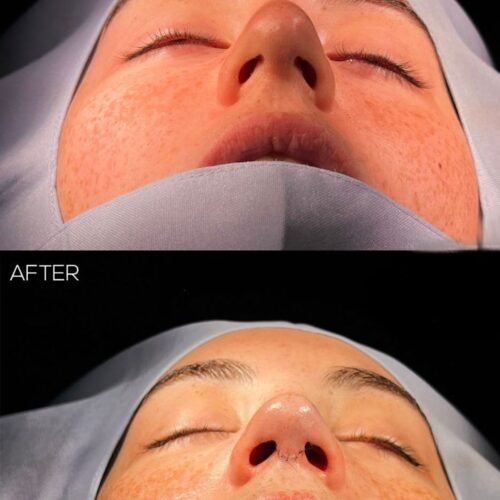
How Can You Verify If a Clinic Is Safe for Italians?

Provide a practical checklist:

  • Look for ISO, JCI‑style, or EU‑recognized quality certifications

  • Check Italian‑language reviews on Google, Trustpilot, or Italian‑language dental‑tourism portals

  • Ask for a list of Italian‑speaking staff and a sample Italian‑language consent form

  • Request before‑and‑after photos of Italian patients only

  • Insist on a free online consultation and video call with the surgeon

Travel Safety and Logistics in Albania for Italian Patients

Cover that Albania is generally considered a low‑crime, safe destination for medical travelers, with easy access from Italy (short flights, no visa for EU citizens). Highlight that Tirana hospitals and clinics are located in secure, central areas, with private transfers and 24/7 guards in most medical‑tourism‑focused complexes.

The Role of Tirana Aria Clinic in Patient Safety

Explain that Tirana Aria Clinic is built specifically for Italian and other EU patients: ISO‑aligned protocols, Italian‑speaking coordinator, EU‑standard sterilization, CE‑certified materials, and written guarantees in Italian. Emphasize that it does not “sell tourism” but explains risks, realistic results, and recovery time honestly.

Conclusion: How Medical Tourism in Albania Becomes a Safe Choice

Reinforce that Albania is not “cheap” at the cost of safety, but a strategically regulated, EU‑aligned destination. When Italian patients choose accredited clinics with transparent protocols, skilled surgeons, and clear rights (like Tirana Aria Clinic), medical tourism in Albania can be a safe, comfortable, and cost‑efficient way to access high‑quality care.
FAQs

Is it safe to get treatment in Albania as an Italian patient?
Yes, if you choose an accredited clinic that follows European‑style protocols, uses CE‑marked materials and employs experienced surgeons or dentists. Medical tourism in Albania has grown precisely because of its high safety standards, similar to those in Italy, but it remains essential to check certifications, Italian‑language reviews and written agreements in Italian before booking.
Look for quality certifications such as ISO 9001 or JCI‑style audits, check Italian‑language reviews on Google, Trustpilot or medical‑tourism portals, and ask the clinic for proof of sterilization and autoclave logs. A strong signal is also a free video consultation with the surgeon in Italian, where you can judge clarity, professionalism and transparency.
As a patient in Albania you retain core rights: informed consent, transparency about risks and alternatives, access to your medical records and a clear follow‑up plan. Many medical‑tourism clinics, including Tirana Health Clinic, describe these rights in an Italian‑language “Patient Charter,” outlining revision timelines and dedicated 24/7 contact options.
Yes, as long as you follow medical advice. Clinics specializing in medical tourism usually recommend a waiting period before flying (often 5–7 days for nose or dental surgery, 10–14 days for more complex procedures) and provide a medical certificate for airlines. Many packages also include a private hotel‑to‑airport transfer to reduce physical strain during the sensitive recovery days.

© 2025 Tirana Aria Clinic. All Rights Reserved.

Rhinoplasty in Albania: FAQ for Italian Patients 2026

Rinoplastica in Albania: FAQ Pazienti Italiani 2026

Rhinoplasty in Albania attracts thousands of Italian patients thanks to prices 50–70% lower than in Italy, experienced surgeons and European‑standard clinics. This guide answers the most common questions so you can make a safe, informed decision with Tirana Aria Clinic.

How much does rhinoplasty in Albania cost?

Prices for rhinoplasty in Albania typically range from 1,800 to 4,500 euros, often including consultation, pre‑operative tests, the surgery itself, a short stay and initial follow‑up. In Italy, the same procedure can cost between 5,000 and 12,000 euros, not counting extras like hotels, transfers or lost working days. At Tirana Aria Clinic, all‑inclusive packages start from around 2,500 euros and commonly include the online consultation, recommended flights, private airport transfers, 4‑star hotel accommodation, post‑operative check‑ups and up to one year of virtual follow‑up, with net savings often exceeding 70% compared to Italy.

 Is rhinoplasty in Albania safe for Italian patients?

Yes, if you choose an accredited clinic with EU‑certified surgeons and a proven track record in rhinoplasty, such as Tirana Aria Clinic. Operating rooms use sterilized instruments, strict hygiene protocols and continuous monitoring during anesthesia, with complication rates below 1% in high‑quality clinics.

Before booking, ask whether the surgeon is registered with recognized scientific societies (such as SICPRE or equivalent European bodies) and whether the clinic holds ISO or other medical‑quality certifications. Check Italian reviews and confirm that the center speaks fluent Italian so you can express all your concerns clearly and safely.

 What are the best clinics for rhinoplasty in Tirana?

Tirana Aria Clinic offers tailored packages for Italian patients, including expert surgeons, 24/7 Italian‑speaking support, 4‑star hotel stays, recommended flights and guaranteed savings. Services include virtual nose evaluation, in‑person consultations, modern hospital facilities and a dedicated support team.

Patients from Milan, Rome, Turin and other Italian cities appreciate short waiting times, natural‑looking results and the possibility of combining surgery with a short tourist stay. The geographical proximity and direct flights make the trip easy to organize and low‑stress.

How to prepare for rhinoplasty in Albania?

Start with a free online consultation: send clear front, side and angled photos of your nose so the surgeon can assess shape, cartilage structure and propose a personalized plan. This step is crucial to understand what is realistic and what anatomical limits you may have.

One month before surgery, Tirana Aria Clinic usually requests basic tests (full blood count, ECG, nasal CT scan if needed). Avoid smoking, alcohol and aspirin for at least 2 weeks before the procedure to reduce bleeding risk and support healing.

You arrive in Tirana via direct flights from Milan, Rome and other Italian cities, which take about 1.5–2 hours. Tirana Aria Clinic’s package usually includes a private transfer from the airport to the clinic or hotel, minimizing stress in the first hours after your journey.

What to expect during the rhinoplasty procedure?

Rhinoplasty usually lasts between 1.5 and 3 hours, depending on complexity. It is performed under general anesthesia or local anesthesia with sedation, depending on your health and the surgeon’s preference. The surgeon may use an open or closed technique to reshape the hump, tip or nasal septum and achieve a more harmonious profile.

On the day of surgery, you will be examined again, anesthetic areas will be cleaned and marked, and then the surgeon will begin the incisions. At Tirana Aria Clinic the procedure is performed by experienced specialists in modern operating rooms, and in most cases you can return to your hotel the same day. There is usually no intense pain, as sedation and post‑operative medication manage discomfort effectively.

Recovery timeline and aftercare advice

In the first 48 hours you may experience swelling, bruising and a nasal splint that protects the new shape. The team recommends resting with your head slightly elevated, applying cold compresses at intervals and taking prescribed medications to control pain and swelling. The nasal splint is usually removed after about 7 days during a medical check‑up.

You can typically return to work after 10–14 days, keeping in mind that swelling can take up to 3 months to fully subside. Final results are generally visible after 12 months, once the tissue has fully stabilized. During recovery, avoid direct sun exposure, intense sports, heavy bags and any pressure on the nose. Follow‑up with Tirana Aria Clinic can also be done via WhatsApp or video call, so you can share updates and receive guidance without returning to Albania.

 What to expect during the rhinoplasty procedure?

Rhinoplasty usually lasts between 1.5 and 3 hours, depending on complexity. It is performed under general anesthesia or local anesthesia with sedation, depending on your health and the surgeon’s preference. The surgeon may use an open or closed technique to reshape the hump, tip or nasal septum and achieve a more harmonious profile.

On the day of surgery, you will be examined again, anesthetic areas will be cleaned and marked, and then the surgeon will begin the incisions. At Tirana Aria Clinic the procedure is performed by experienced specialists in modern operating rooms, and in most cases you can return to your hotel the same day. There is usually no intense pain, as sedation and post‑operative medication manage discomfort effectively.

Recovery timeline and aftercare advice

In the first 48 hours you may experience swelling, bruising and a nasal splint that protects the new shape. The team recommends resting with your head slightly elevated, applying cold compresses at intervals and taking prescribed medications to control pain and swelling. The nasal splint is usually removed after about 7 days during a medical check‑up.

You can typically return to work after 10–14 days, keeping in mind that swelling can take up to 3 months to fully subside. Final results are generally visible after 12 months, once the tissue has fully stabilized. During recovery, avoid direct sun exposure, intense sports, heavy bags and any pressure on the nose. Follow‑up with Tirana Aria Clinic  can also be done via WhatsApp or video call, so you can share updates and receive guidance without returning to Albania.

© 2025 Tirana Aria Clinic. All Rights Reserved.

Rhinoplasty in Albania vs Italy: Prices, Recovery Time, and What Affects the Final Cost

Rhinoplasty in Albania vs Italy: Prices, Recovery Time, and What Affects the Final Cost

Rhinoplasty is one of the most requested facial procedures for patients who want to improve the shape of the nose, correct asymmetry, or solve breathing-related concerns. For many Italian patients, Albania has become an option worth considering because it may offer lower treatment costs and a shorter travel distance than other medical tourism destinations.

Still, price alone should never be the only reason to choose where to have surgery. A proper comparison between Albania and Italy should include recovery time, surgeon experience, clinic standards, follow-up care, and what is actually included in the final quotation.

Why patients compare Albania and Italy

Italian patients often compare these two countries because the treatment goals are the same, but the total costs may be different. Albania is attractive for patients who want a more budget-friendly option without traveling too far from home, while Italy may feel more familiar for communication, follow-up, and local convenience.

The decision usually depends on more than the procedure itself. Patients also consider travel, accommodation, trust in the surgeon, and how comfortable they feel completing recovery after surgery.

Are rhinoplasty prices lower in Albania?

In many cases, rhinoplasty in Albania is marketed as more affordable than in Italy. This is one of the main reasons patients begin researching clinics in Tirana, especially if they are looking for cosmetic improvement and want better value for the total treatment package.

However, the quoted price can vary a lot from one clinic to another. A lower price does not always mean lower quality, but it also does not automatically mean better value. Patients need to understand exactly what the quote covers and whether revision risk, follow-up care, and medical support are discussed clearly.

What may be included in the price

Some clinics present a basic surgery price only, while others offer a more complete package for international patients. This can make one option look cheaper at first, even when the final total may be similar after extra costs are added.

The final quote may include:

  • Surgeon’s fee.

  • Clinic or hospital costs.

  • Anesthesia.

  • Pre-operative tests.

  • Post-operative check-ups.

  • Medications.

  • Hotel stay.

  • Airport transfers.

  • Translation or patient support.

  • Compression garments or recovery supplies if needed.

What affects the final cost of rhinoplasty?

The final cost is rarely based on one simple factor. The biggest influence is usually the complexity of the case. A small cosmetic correction is very different from a full structural reshaping or a surgery that also includes functional correction for breathing.

Revision rhinoplasty usually costs more than primary rhinoplasty because it is more complex and often requires more surgical planning. Other factors include the surgeon’s experience, the clinic’s reputation, the type of facility used, whether cartilage grafting is needed, and how much aftercare is included.

Cosmetic vs functional rhinoplasty

Some patients want rhinoplasty for aesthetic reasons only, such as refining the bridge, tip, or overall profile. Others need both cosmetic and functional improvement, especially if they also have a deviated septum or breathing issues. Combined procedures may increase the overall cost because they involve a more detailed surgical plan.

This is why two patients asking for “nose surgery” may receive very different quotes. The final cost depends on the real medical and technical needs of the case, not just the name of the treatment.

Recovery time after rhinoplasty

Recovery after rhinoplasty takes longer than many patients expect. The first stage is usually the most visible, with swelling, bruising, and discomfort during the early days. This is when patients need the most rest and should avoid unnecessary travel stress.

In most cases, the first week is the main recovery period for the splint and early swelling. After that, many people feel well enough to return to lighter daily activities, but the nose continues healing for much longer. Final refinement can take many months, especially in thicker skin or more complex cases.

What Italian patients should expect after surgery

Italian patients traveling to Albania should plan the trip carefully and avoid returning home too quickly. It is usually better to stay long enough for the first post-operative review, especially if the clinic wants to check swelling, remove dressings, or confirm that the healing process is progressing normally.

Patients should also expect temporary swelling that changes from week to week. Early appearance is not the final result. The nose often looks different at one month, three months, six months, and one year, so patience is very important.

 Albania vs Italy for follow-up care

One important difference between local surgery in Italy and medical travel to Albania is follow-up convenience. When surgery is done close to home, it is easier to attend in-person appointments if questions or concerns appear during healing.

When surgery is done abroad, follow-up usually depends more on remote communication, photos, and planned review visits. This does not automatically make Albania a poor option, but it means patients should choose a clinic that offers clear aftercare instructions and reliable support after they return to Italy.

 Final thoughts

Rhinoplasty in Albania may be more affordable than in Italy, which is why many Italian patients consider Tirana for treatment. But the real decision should be based on total value, not just the lowest quote. Recovery planning, surgeon skill, follow-up support, and case complexity all play a major role in the final experience.

For the right patient, both Albania and Italy can be valid options. The key is to understand what you are paying for, what type of recovery to expect, and whether the clinic offers the level of safety and communication needed for a procedure as delicate as rhinoplasty.

FAQs

Is rhinoplasty in Albania cheaper than in Italy?
In many cases, it may be more affordable, which is why Albanian clinics attract interest from Italian patients. However, the final value depends on what is included in the package and the quality of the medical team.

This depends on the clinic and the complexity of the procedure. In general, patients should stay long enough for the first important post-operative check before returning to Italy.

Prices vary because every case is different. The final quote can be affected by surgeon experience, clinic standards, anesthesia, functional correction, revision difficulty, and included services.
Most patients describe the recovery as manageable rather than severe, but swelling, pressure, and congestion are common in the early phase. The first week is usually the most demanding.
Surgeon experience, patient safety, realistic planning, natural results, and reliable aftercare matter more than price alone. A lower quote is not a good deal if the support or quality is weak.

© 2025 Tirana Aria Clinic. All Rights Reserved.

Hair Transplant Growth Month by Month: What Italian Patients Can Expect in the First 12 Months

Hair Transplant Growth Month by Month: What Italian Patients Can Expect in the First 12 Months

One of the most important things to understand after a hair transplant is that results do not appear immediately. Many Italian patients travel to Albania expecting to see fast cosmetic improvement, but hair restoration is a gradual process that develops over time.

The first year is all about patience, healing, and realistic expectations. Some phases can feel encouraging, while others may feel confusing if you do not know what is normal. A clear month-by-month timeline helps patients understand what is happening and why the final result takes time. 

Why the timeline matters

After a hair transplant, the new grafts need time to settle, rest, and begin growing again. This means the early weeks and months can look very different from the final outcome. In fact, some patients feel worried at the beginning because the transplanted hairs often shed before new growth starts.

This does not usually mean the procedure has failed. It is simply part of the normal cycle. Understanding the timeline can help Italian patients stay calm, follow aftercare instructions more closely, and avoid judging the result too early.

Month-by-month hair transplant timeline

In the first 12 months, patients may notice the following stages:

  • Month 1: healing, redness, scabbing, and early shedding of transplanted hairs.

  • Month 2: the transplanted area may look quiet, with little visible growth.

  • Month 3: shedding usually settles, but density may still appear low.

  • Month 4: early regrowth often begins, although the hairs may look thin and uneven.

  • Month 5: more visible growth starts to appear.

  • Month 6: many patients notice clearer improvement in shape and density.

  • Months 7 to 8: the hair usually becomes fuller and begins to look more natural.

  • Month 9: texture and coverage often continue improving.

  • Month 10: the result looks more mature in many patients.

  • Month 11: remaining weaker areas often continue catching up.

  • Month 12: the final result is usually much clearer and closer to its long-term appearance.

Month 1: Healing and shedding

The first month is mainly about recovery rather than cosmetic results. During this stage, the scalp may show redness, scabs, mild sensitivity, and the first signs of shedding. This part can be emotionally difficult for patients because the area often looks less full than expected.

However, early shedding is usually normal. The follicles remain under the skin even if the visible hairs fall out. This is why clinics often remind patients not to judge the result in the first few weeks.

Months 2 and 3: The quiet phase

These months are often the most frustrating part of the process. Many patients see very little visible progress and may wonder whether the transplant is working. In reality, the follicles are often still in a resting phase.

The transplanted zone may look patchy or unchanged during this period. This is common, especially for patients who expected steady growth right after surgery. Patience is essential here.

Months 4 to 6: Early growth begins

Between months four and six, the first encouraging changes usually become visible. New hairs begin to grow, but they may still be thin, soft, or irregular at first. The result is often not dense yet, but the direction of progress becomes easier to see.

By month six, many Italian patients feel much more positive because the treated area starts looking fuller than before. The hairline usually becomes easier to evaluate, although it is still not the final result.

Months 7 to 9: Density improves

This is often the stage when the transplant starts to look more natural in everyday life. The hairs usually become stronger, longer, and better blended with the surrounding hair. Density improves gradually, and the patient can usually style the area more easily.

Not all zones develop at exactly the same speed. The crown, for example, can take longer than the frontal hairline. That is why some patients see better progress in one area before another.

Months 10 to 12: Maturation phase

During the final part of the first year, the transplant usually becomes much more refined. The hair tends to thicken, soften, and settle into a more natural pattern. By month twelve, most patients have a much clearer view of their final result.

Even at this stage, minor improvements can still continue in some cases. But for most patients, the one-year mark is when the outcome can be judged properly. That is why before-and-after comparisons are often most meaningful at 12 months rather than earlier.

 What can affect the speed of growth?

Not every patient grows at exactly the same pace. Age, genetics, healing response, graft survival, aftercare, smoking habits, and general scalp condition can all influence how quickly the new hair becomes visible. The treated area also matters, since some zones naturally appear to mature more slowly.

This is why comparing your result too closely with someone else’s timeline can be misleading. A slightly slower start does not automatically mean a poor result. What matters more is the overall progression across the year.

 What Italian patients should keep in mind

Patients traveling from Italy to Albania often return home shortly after the procedure, so they experience most of the growth process back in Italy. This makes follow-up communication especially important. Good clinics usually explain the timeline clearly and stay available for updates during the recovery period.

It also helps to take monthly photos in the same lighting and angle. Because hair growth is gradual, daily mirror checks can be misleading. Monthly photos make it easier to notice steady improvement.

 Common mistakes during the first year

One common mistake is expecting immediate density. Another is panicking during the shedding phase and assuming the grafts are lost. These reactions are understandable, but they often come from not knowing how normal the early timeline can be.

Patients also make mistakes when they ignore aftercare instructions, return to intense activity too soon, or judge the transplant at month three or four. Hair restoration takes time, and the best results usually come from patience and proper recovery habits.

 Final thoughts

A hair transplant is a long-term process, not an instant transformation. For Italian patients coming to Albania, knowing the month-by-month growth timeline can make the experience far less stressful and far more realistic.

The first year usually includes healing, shedding, early regrowth, improving density, and gradual maturation. When patients understand these stages in advance, they are better prepared to stay patient, follow medical advice, and evaluate the result at the right time.

FAQs

Is it normal for transplanted hair to fall out after surgery?
Yes, early shedding is usually a normal part of the process. The visible hair may fall out, but the follicle often remains in place and begins producing new hair later.
Many patients begin noticing early regrowth around month four, although the exact timing can vary from person to person.
At month five, the new hairs are often still immature. They may be thin, uneven, or not fully dense yet, which is why the result still needs more time.
In many cases, yes. Crown growth often appears slower than frontal hairline growth, so patience is especially important for that area.
The best time to judge the result is usually around 12 months. By then, most patients have a much clearer picture of density, texture, and overall shape.

© 2025 Tirana Aria Clinic. All Rights Reserved.
How to Travel from Italy to Tirana for Medical Treatment: Flights, Hotels, Transfers, and Tips

How to Travel from Italy to Tirana for Medical Treatment: Flights, Hotels, Transfers, and Tips

Traveling to Albania for medical treatment is becoming a practical choice for many Italian patients. The trip is relatively simple, the distance is short, and with the right planning, the experience can feel organized and stress-free from the moment you book your flight.

For most patients, the journey starts with an online consultation and ends with a short medical stay in Tirana. Good travel planning matters because it helps you arrive relaxed, stay close to your clinic, and focus on your treatment and recovery.

 Why Tirana is convenient for Italian patients

One of the biggest advantages for Italian patients is how easy it is to reach Tirana from Italy. Direct Rome-Tirana flights operate daily, and the journey is usually around 1 hour 23 minutes to 1 hour 40 minutes one way.

Another reason patients consider Albania is cost control. On some dates, advertised one-way fares from Rome to Tirana can start from about €14.99 to €17, although prices vary depending on season and booking time.

What to plan before you travel

Before booking your medical trip, it is important to confirm your treatment date, how many days you need to stay, and whether your clinic offers help with transport or accommodation. A short, well-planned visit is usually easier than trying to organize everything at the last minute.

Prepare these details before you travel:

  • Your passport or ID.

  • Your clinic confirmation.

  • Your flight details.

  • Your hotel booking.

  • Your airport transfer plan.

  • Any medications you need.

  • Basic recovery clothing.

  • A clear return date that gives you enough time for your first post-treatment check.

Flights from Italy

For many Italian patients, flying is the fastest and simplest option. Rome is one of the most active routes to Tirana, with direct connections available and frequent service during the week.

If you are traveling from another Italian city, it is smart to compare direct and connecting options before choosing. Booking earlier usually gives you better flexibility, especially if your treatment date is fixed.

Hotels in Tirana

When choosing a hotel, the best option is usually one that keeps you close to your clinic and makes recovery easier. Many patients prefer central Tirana because it is practical for transport, food delivery, and short rides to medical appointments.

Examples of centrally located hotels listed online include Rogner Hotel Tirana in the heart of the city and Tirana International Hotel near Skanderbeg Square. Even if you choose another property, staying in a central area often makes the trip more comfortable.

Airport transfers

Tirana International Airport is close enough to the city that transfers are usually straightforward. Travel guides report that the city center is about 20 to 30 minutes away by taxi, while the airport bus usually takes around 30 to 45 minutes depending on traffic.

Reported prices for official airport taxis are generally around €20 to €25 one way. The airport shuttle is listed at around 300 to 400 LEK and is commonly described as running about once per hour. If your clinic offers a driver, that can be the easiest option after treatment because it removes the stress of arranging transport on arrival.

 Practical tips for a smoother medical trip

Try to arrive with enough time before your procedure instead of landing and rushing straight to the clinic. A calmer schedule gives you time to check into your hotel, rest, and attend your consultation in a better condition.

It also helps to keep your trip simple. Choose a hotel with easy access, keep your luggage light, and follow your clinic’s instructions about eating, medication, and post-treatment care. If your procedure requires a short recovery period, build that into your travel plan from the beginning.

 Best time to book your trip

If your treatment date is fixed, try to book your flight and hotel as early as possible. This usually gives you better prices, more hotel choices, and less stress before departure.

It is also smart to avoid very tight scheduling. Give yourself enough time before the procedure and at least a short buffer before flying back to Italy, especially if your clinic wants to see you for a first follow-up check.

How to choose the right hotel

The best hotel is not always the cheapest one. For medical travel, comfort, cleanliness, quiet surroundings, and a short distance from the clinic are usually more important than luxury.

Try to choose a hotel with easy access to food delivery, pharmacy services, and transport. If you expect to rest after treatment, a room with an elevator, air conditioning, and a comfortable bed can make your stay much easier.

What to expect after landing in Tirana

After arriving at Tirana International Airport, most patients choose a taxi, a pre-arranged clinic driver, or the airport shuttle to reach the city. Travel sources describe the transfer to central Tirana as usually taking about 20 to 30 minutes by taxi, while the bus can take around 30 to 45 minutes depending on traffic.

If this is your first medical trip, the easiest option is often a pre-booked transfer. It reduces stress, especially if you arrive late, carry luggage, or want to go directly to your hotel without dealing with local transport.

 Tips before returning to Italy

Before your return flight, make sure you understand all post-treatment instructions clearly. You should know how to take your medications, how to care for the treated area, and when to contact the clinic after you are back home.

It is also a good idea to save all important contacts in your phone before departure. Keep the clinic’s number, your hotel details, and your flight information easy to access so the return journey feels simple and organized.

FAQs

How many days should Italian patients stay in Tirana for medical treatment?
The answer depends on the procedure. Some treatments require only a short stay, while others need a few extra days for checks and early recovery. Your clinic should tell you the ideal number of nights before you book your flight.
Yes. Direct flights from Rome to Tirana operate daily, and the one-way trip is usually around 1 hour 23 minutes to 1 hour 40 minutes.
Most patients use a taxi, a clinic transfer, or the airport shuttle. Travel sources describe the city-center trip as roughly 20 to 30 minutes by taxi, with taxis often around €20 to €25, while the shuttle bus is cheaper and usually runs hourly.
In most cases, yes. Staying nearby makes consultations, treatment days, and follow-up visits easier, especially if you want to avoid long journeys after a procedure.
One common mistake is planning too tightly. It is better to leave enough time for arrival, consultation, treatment, and the first stage of recovery instead of trying to fit everything into the shortest possible trip.

© 2025 Tirana Aria Clinic. All Rights Reserved.
Beard Transplant in Albania: A Complete Guide for Italian Men

Beard Transplant in Albania: A Complete Guide for Italian Men

For many men, beard growth is an important part of their appearance and personal style. A full, even beard can create a stronger jawline, improve facial balance, and boost confidence. However, not every man naturally develops the beard density he wants. Some struggle with patchy growth, weak sideburns, thin cheeks, or areas affected by scars. For Italian men looking for an effective and affordable solution, a beard transplant in Albania is becoming an increasingly popular option.

Tirana has attracted growing interest from international patients because it offers modern hair restoration techniques, experienced medical teams, and lower costs than many clinics in Italy. A beard transplant can help restore missing facial hair in a natural-looking way, but the treatment must be planned carefully. Facial hair is highly visible, so angle, direction, density, and design all matter.

Why men choose a beard transplant

There are several reasons why men consider beard transplantation. Some have naturally patchy facial hair due to genetics. Others have uneven beard growth because of scars, burns, previous skin injuries, or hormonal factors. In some cases, men can grow facial hair in certain areas but not in others, which makes the beard look incomplete or irregular.

A beard transplant may be a good option for men who want to improve beard density, fill empty patches, connect the moustache and beard, strengthen the jawline, or restore hair in scarred areas. For many Italian patients, the main goal is not to create an artificial or overly dense beard, but to achieve a natural result that suits the face and grows like normal facial hair.

Who is a good candidate?

Not every patient needs the same type of beard restoration. A proper consultation is necessary to understand the facial hair pattern, the quality of the donor area, and the patient’s expectations.

Men may be good candidates for a beard transplant if they have:

  • Patchy beard growth.

  • Naturally thin facial hair.

  • Beard asymmetry.

  • Weak sideburns.

  • Scars in the beard area.

  • A poor moustache-to-beard connection.

  • Enough healthy donor hair at the back of the scalp.

A strong donor area is essential because the transplanted follicles are usually taken from the back of the head. The clinic also needs to assess skin condition, facial hair goals, and whether the patient wants light filling or a fuller beard design. Realistic expectations are very important, because a beard transplant should match the face naturally rather than look too sharp or unnatural.

Why the consultation matters

Facial hair transplantation requires more artistic planning than many patients expect. The doctor must design a beard that fits the patient’s age, facial structure, skin tone, and natural growth pattern. During the consultation, the clinic should discuss beard shape, density goals, hair direction, and the likely number of grafts needed.

Italian patients considering Albania should also ask to see examples of real beard transplant results. This is helpful because beard work is very detail-oriented. Even a technically successful transplant can look unnatural if the angles or placement are wrong.

How a beard transplant works

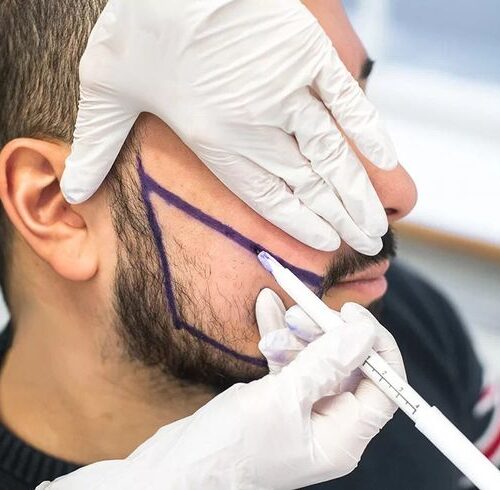
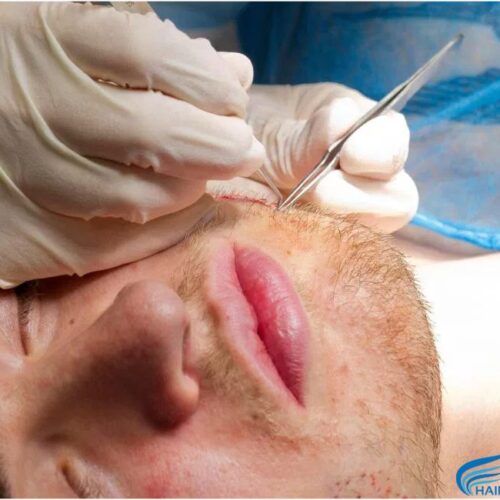
A beard transplant usually uses the FUE method. With FUE, individual hair follicles are extracted from the donor area and implanted into the beard region. This allows the surgeon to place grafts one by one in a way that follows the natural direction of beard growth.

The donor hair most often comes from the back of the scalp because this area usually has stable and healthy follicles. Once implanted in the beard area, the transplanted hairs continue to grow and can be shaved, trimmed, and maintained like normal facial hair.

Why graft placement is so important

Beard hair does not grow straight out from the skin in the same way as scalp hair. It grows at very specific angles, and those angles change depending on the area of the face. The cheeks, jawline, chin, and moustache all require slightly different placement.

This is why precision matters so much. If the grafts are implanted at the wrong angle, the beard may look unnatural when it grows. A high-quality beard transplant is not only about filling empty space. It is about creating a beard that looks balanced and believable in everyday life.

How many grafts are usually needed?

The number of grafts depends on the treatment goal. Some men only want to fill small patchy areas, while others want full beard creation with added density across the cheeks, jawline, and chin. A patient looking for scar coverage may need fewer grafts than someone starting with very limited beard growth.

The clinic usually estimates graft numbers based on photos and confirms the final plan during the in-person evaluation. What matters most is not simply using a high number of grafts, but placing the right amount in the right areas. A natural-looking beard often depends more on design quality than on maximum density.

How much does a beard transplant cost in Albania?

One of the biggest reasons Italian men consider Albania is cost. In many cases, a beard transplant in Tirana is more affordable than the same procedure in Italy. This can make treatment more accessible, especially for patients who want a high-quality result without the higher prices found in some Western European clinics.

Still, cost should not be the only deciding factor. The final price depends on the number of grafts, the complexity of the case, the reputation of the clinic, and what is included in the treatment package. Some clinics include consultation, procedure, medications, aftercare, airport transfers, and follow-up support, while others price these separately.

Italian patients should focus on value rather than the lowest quote. A cheaper procedure is not a good deal if the beard design looks unnatural or if donor hair is used poorly.

What results can Italian men expect?

Beard transplant results are not immediate. After the procedure, the transplanted hairs often fall out during the early stage, which is a normal part of the process. New growth usually begins in the following months, and the result becomes more visible gradually over time.

The final outcome depends on donor quality, skin healing, graft survival, and the accuracy of implantation. When the procedure is done well, the new beard should blend naturally with the existing facial hair. The transplanted hairs can usually be shaved and groomed like the rest of the beard once growth is established.

What recovery is like

Recovery is usually manageable, but patients should still prepare properly. In the first days, there may be redness, tiny scabs, and mild swelling in the treated area. The donor area may also feel sensitive. Clinics usually provide detailed instructions about washing, shaving, sleeping, and skin care during the healing period.

Italian men traveling to Tirana should normally plan enough time for the procedure and the first post-operative review. After returning to Italy, most follow-up communication can often continue remotely. It is important to follow the clinic’s aftercare advice closely, especially during the early healing phase.

Why Italian men are choosing Albania

Albania has become a practical option for medical tourism because it offers a combination of short travel distance, competitive pricing, and increasing experience with international patients. For men coming from Italy, the trip is relatively simple, and many clinics offer organized help with transfers, scheduling, and communication.

However, choosing the right clinic is more important than choosing the cheapest country. Italian patients should look for clinics that explain the medical plan clearly, show natural beard transplant results, and discuss realistic density rather than promising perfection. Good communication and careful planning are essential for a treatment area as visible as the beard.

FAQs

Is a beard transplant permanent?
In most cases, yes. The transplanted follicles are usually taken from a stable donor area and are intended to continue growing permanently in the beard region.
It can look very natural if the grafts are placed at the correct angle and density. The design and implantation technique are extremely important for facial hair.
Most patients describe the procedure as manageable because local anesthesia is used. You may feel some discomfort during recovery, but it is usually mild and temporary.
The timing depends on the clinic’s advice and your healing progress. Patients are usually told to wait until the transplanted area has healed properly before shaving.
In many cases, yes. Albania often offers lower prices than Italy, but patients should compare overall quality, doctor experience, and package inclusions rather than cost alone.

© 2025 Tirana Aria Clinic. All Rights Reserved.

Hair Transplant Consultation Online: What Italian Patients Should Prepare Before Booking in Albania

Hair Transplant Consultation Online: What Italian Patients Should Prepare Before Booking in Albania

For many Italian patients, the first step toward a hair transplant in Albania is an online consultation. This initial discussion helps the clinic understand your hair loss, evaluate whether you are a good candidate, and suggest the most suitable technique before you travel to Tirana.

A good online consultation can save time and make the whole process easier. It also helps you understand what result may be realistic, how many grafts you may need, and how to plan your trip properly. However, the quality of the consultation depends a lot on how well you prepare in advance.

Why an online consultation is important

Booking a hair transplant without a proper evaluation is risky. An online consultation gives the clinic the chance to review your case before making any recommendation. It also gives you the chance to judge the clinic’s professionalism, communication, and transparency.

For Italian patients, this step is especially useful because it reduces uncertainty before traveling abroad. You can learn whether the clinic believes you are a suitable candidate, which procedure may fit your case best, and how long you may need to stay in Albania. It also allows you to ask practical questions about aftercare, recovery, and travel support.

What you should prepare before the consultation

To get a useful and realistic evaluation, you should prepare the following:

  • Clear photos of your hairline, top, sides, crown, and donor area; your age; a short history of your hair loss; any medications you take; whether you have had a previous transplant; any medical conditions or allergies; your goals for the result; and your preferred travel period.

This information helps the doctor understand your case properly. If you send incomplete photos or very little background information, the advice may be too general and less accurate.

Why photos matter so much

Photos are often the most important part of an online consultation. They allow the clinic to assess the level of hair loss, the quality of the donor area, and the possible coverage that can be achieved. The better the photos, the better the evaluation.

Try to take your photos in natural light with dry hair and no styling products that hide thinning areas. Avoid blurry images, heavy shadows, or angles that do not clearly show the scalp. A front-only selfie is not enough. The doctor must also see the crown and the donor zone at the back of the head.

Why your medical history matters

Even though a hair transplant is usually seen as a cosmetic treatment, it is still a medical procedure. The clinic needs to know if you have any health conditions, if you smoke, if you use treatments such as minoxidil or finasteride, or if you have had previous surgery. These details can affect your candidacy, healing process, and long-term outcome.

Being honest is essential. If you hide medical information just to move faster to booking, the final plan may not be suitable for you.

What Italian patients should ask during the consultation

An online consultation should not be just about receiving a price. It should help you understand the full treatment plan. Ask which technique is recommended for your case and why. Ask how many grafts may be needed and whether that number is a rough estimate or a more confident evaluation.

You should also ask who performs the key parts of the procedure, how the donor area is managed, what recovery looks like, and what support is available after you return to Italy. Good clinics are usually happy to explain these points clearly. If the answers are vague or overly focused on selling a package, that is often a warning sign.

Common mistakes to avoid

One common mistake is focusing only on price. A low price may seem attractive, but if the clinic does not evaluate your donor area carefully or promises unrealistic density, the result may disappoint you. Another mistake is sending poor-quality photos and expecting an exact graft count. Online consultations are useful, but they still depend on the quality of the information you provide.

Some patients also make the mistake of asking for a very low and aggressive hairline without understanding future hair loss. A good clinic will usually recommend a plan that looks natural now and still makes sense years later.

What happens after the online consultation

After reviewing your case, the clinic will usually send a proposed treatment plan. This may include the recommended method, the estimated number of grafts, the expected stay in Tirana, and the approximate cost. Some clinics also explain accommodation, airport transfers, and post-operative follow-up.

At this stage, you should look at more than just the quote. Pay attention to how clearly the clinic communicates, whether they answer your medical questions directly, and whether they explain realistic outcomes rather than making perfect promises. Trust and clarity matter just as much as cost.

Final thoughts

For Italian patients thinking about a hair transplant in Albania, the online consultation is the first real step in the journey. When done properly, it helps both the patient and the clinic prepare for a safer, more organized, and more successful experience.

If you take the time to send good photos, explain your medical background honestly, and ask the right questions, you will receive much better guidance. That means better planning, fewer surprises, and a stronger chance of getting natural-looking results.

FAQs

How long does an online hair transplant consultation usually take?

In most cases, the first evaluation is quite fast once the clinic receives your photos and medical details. Some clinics respond the same day, while others may take one or two working days depending on how detailed the review is.

Usually, the clinic can give an estimate rather than an exact final number. The real number may be confirmed more accurately after an in-person examination in Tirana, when the doctor can assess the donor area and scalp directly.

No, you usually do not need to shave your hair for the online consultation. The clinic just needs clear, honest photos showing your current hair condition from all important angles.
It is often enough to understand whether you are likely to be a good candidate and what treatment may suit you. However, the final decision should be based on the quality of communication, the clinic’s medical approach, and whether you feel the plan is realistic and well explained.
The most common mistake is choosing a clinic only because of the lowest price. A hair transplant should be planned around donor quality, medical safety, and long-term results, not just cost.

© 2025 Tirana Aria Clinic. All Rights Reserved.

Turkey vs Albania Hair Transplant: Which Is Better in 2026?

Turkey vs Albania Hair Transplant: Which Is Better in 2026?

For many Italian patients considering a hair transplant abroad, the choice often comes down to two main destinations: Turkey and Albania. Both countries are known for offering affordable procedures compared to Italy, but the real question is which one provides the best balance of quality, safety, and patient experience.

Understanding the differences between these two options is essential before making a decision that will affect both your appearance and confidence.

Is a Hair Transplant Better in Turkey or Albania?

The answer depends on what the patient is looking for. Turkey is known for its large-scale hair transplant industry, with thousands of procedures performed every year. Albania, on the other hand, offers a more personalized and patient-focused approach.

While Turkey provides volume and global recognition, Albania is becoming increasingly popular for its tailored treatments and closer doctor-patient interaction. Italian patients often prefer environments where communication is easier and care feels more individualized.

How Do Hair Transplant Costs Compare in 2026?

Cost is one of the main reasons patients look abroad for treatment.

Price Comparison Between Turkey and Albania

In Turkey, hair transplant packages typically range between €1,800 and €3,500, often including accommodation and transport. In Albania, prices are similar or slightly higher in some cases, generally ranging from €2,000 to €4,000 depending on the clinic and technique used.

While Turkey may appear slightly cheaper, the difference is often minimal when considering travel convenience and personalized care in Albania. Patients should also consider what is included in the package, rather than focusing only on the base price.

Which Country Offers Better Quality and Results?

Quality depends more on the clinic and surgeon than the country itself. However, there are structural differences between the two destinations.

In Turkey, high demand has led to a “high-volume” model, where clinics may perform multiple procedures per day. In Albania, clinics tend to handle fewer patients daily, allowing for more attention to detail and personalized care.

This difference can influence results, particularly in delicate areas like the hairline, where precision is essential for a natural appearance.

Is It Safer to Get a Hair Transplant in Albania or Turkey?

Both countries have reputable clinics that follow international standards, but safety often comes down to regulation and individual clinic practices.

Key Safety Differences to Consider

In Turkey, the large number of clinics means quality can vary significantly. Some clinics rely heavily on technicians rather than doctors for critical parts of the procedure.

In Albania, smaller clinic structures often mean that doctors are directly involved throughout the procedure. This can increase safety and consistency. Italian patients also benefit from easier communication and follow-up when choosing Albania.

What Is the Patient Experience Like in Each Country?

Patient experience can differ greatly between Turkey and Albania.

In Turkey, treatments are often organized as part of large medical tourism packages, which can feel efficient but sometimes less personal. Patients may feel like one of many.

In Albania, the experience is typically more tailored. Clinics often provide direct communication with doctors, flexible scheduling, and a more relaxed environment. This is particularly important for Italian patients who value clear communication and reassurance throughout the process.

Which Option Is More Convenient for Italian Patients?

Convenience is a key factor that is often underestimated.

Albania is geographically closer to Italy, with short flights and minimal travel planning. This makes it easier for patients to attend consultations, undergo treatment, and return home quickly.

Traveling to Turkey usually involves longer flights, more complex logistics, and potentially higher travel costs. For patients who prefer a simpler and less stressful journey, Albania is often the more practical option.

How Does Follow-Up Care Compare?

Follow-up care is essential for achieving the best results after a hair transplant.

Clinics in Albania often provide ongoing support in Italian, including remote consultations after the patient returns home. This continuity of care helps address concerns and monitor progress over time.

In Turkey, follow-up may be more limited or handled through large coordination teams, which can feel less personal. Patients should always confirm how post-operative care is managed before choosing a clinic.

Why More Italian Patients Are Choosing Albania in 2026

In 2026, Albania is gaining popularity among Italian patients looking for a balance between quality, affordability, and personalized care.

Clinics like Tirana Aria Clinic focus on smaller patient volumes, direct doctor involvement, and clear communication in Italian. This creates a more reassuring experience for patients who may feel overwhelmed by larger, high-volume destinations.

For those seeking natural results, safety, and a more personal approach, Albania is increasingly seen as a strong alternative to Turkey.

Final Verdict: Turkey or Albania for Hair Transplant?

Both Turkey and Albania offer valuable options for hair transplantation, but the right choice depends on individual priorities.

Turkey may appeal to patients looking for lower-cost packages and a well-established industry. Albania, however, stands out for its personalized care, proximity to Italy, and growing reputation for quality results.

For Italian patients who prioritize communication, safety, and a tailored experience, Albania is becoming the preferred choice in 2026.

FAQs

Is a hair transplant in Turkey really cheaper than in Albania?
In many cases, Turkey can appear slightly cheaper due to large package deals. However, when you include travel, time, and personalized care, the price difference is often smaller than expected.
Many Italian patients prefer Albania because of the more personalized approach, direct doctor involvement, and easier communication in Italian. The shorter travel distance is also a major advantage.
Not necessarily, but quality in Turkey varies widely due to the high number of clinics. In Albania, smaller clinics often provide more consistent standards and closer supervision by doctors.
In some high-volume clinics, technicians perform parts of the procedure under supervision. This is less common in Albania, where doctors are often more directly involved throughout the process.
Natural results depend on the surgeon’s skill, not the country. However, clinics with fewer daily patients—often found in Albania—may focus more on detail, especially in hairline design.
Albania often offers more personalized follow-up, including direct communication in Italian after returning home. In Turkey, follow-up may be handled through coordinators rather than the doctor.
Always check the doctor’s credentials, ask who performs the procedure, review real patient results, and avoid clinics offering extremely low prices that seem unrealistic.
For first-time patients, Albania is often preferred due to its simpler travel, clearer communication, and more personalized care. This can reduce anxiety and improve the overall experience.

© 2025 Tirana Aria Clinic. All Rights Reserved.

DHI Hair Transplant Before and After in Tirana – Real Cases

DHI Hair Transplant Before and After in Tirana – Real Results for Italian Patients

For many Italian patients considering a hair transplant abroad, the most important question is simple: what do the results really look like? Before-and-after transformations are often the deciding factor when choosing a clinic. In Tirana, DHI hair transplant procedures have gained attention for delivering natural-looking outcomes at a more accessible cost. Understanding how results develop, what to expect, and how real cases evolve over time is essential before making a decision.

What Do DHI Hair Transplant Results Look Like Before and After?

The difference between before and after a DHI hair transplant can be significant, especially for patients experiencing moderate to advanced hair loss.

Before the procedure, patients often present with thinning areas, receding hairlines, or visible bald spots. After a successful DHI treatment, these areas are restored with natural hair growth that blends seamlessly with existing hair.

The key advantage of DHI is precision. Each follicle is implanted at the correct angle and direction, which helps create a natural appearance rather than an artificial or “plugged” look.

How Long Does It Take to See Before and After Results?

Hair transplant results do not appear immediately, and understanding the timeline is crucial for realistic expectations.

Typical Hair Growth Timeline After DHI

In the first few weeks after the procedure, it is normal for transplanted hair to shed. This phase, known as “shock loss,” is temporary and part of the natural process.

Between the third and fourth month, new hair begins to grow gradually. By six months, patients usually notice visible improvements in density and coverage.

Final results are typically achieved after 10 to 12 months, when the hair becomes thicker, stronger, and fully integrated with the natural hairline.

Are DHI Hair Transplant Results Natural?

One of the biggest concerns for Italian patients is whether the results will look natural.

When performed by experienced specialists, DHI provides highly natural outcomes. The technique allows precise control over the placement of each hair follicle, ensuring that the hairline follows a realistic pattern.

Natural density and direction are key factors. A well-executed DHI procedure makes it difficult to distinguish transplanted hair from natural hair, even at close distance.

What Factors Influence Before and After Results?

Not all results are the same, and several factors can influence the final outcome of a hair transplant.

The quality of the donor area plays a major role, as stronger follicles lead to better growth. The skill of the surgeon is equally important, particularly in designing the hairline and achieving proper density.

Patient habits, such as following post-operative care instructions, also affect the final result. Lifestyle factors like smoking or poor scalp care can impact healing and hair growth.

What Do Real Patient Cases in Tirana Show?

Real patient cases in Tirana demonstrate consistent improvements in both appearance and confidence.

Before treatment, many patients struggle with self-esteem due to hair loss. After the procedure, they often report a renewed sense of confidence and satisfaction with their appearance.

Clinics like Tirana Aria Clinic document real cases with before-and-after photos taken at different stages, helping patients understand realistic outcomes rather than idealized results.

What Is the Recovery Process Like Before Seeing Results?

Recovery is an important part of the transformation process.

Immediately after the procedure, mild redness and small scabs may appear in the treated area. These typically resolve within 7 to 10 days.

Patients can usually return to normal daily activities within a few days, although intense physical activity should be avoided for a few weeks. Proper aftercare ensures better healing and supports optimal hair growth.

Why Italian Patients Trust Tirana Aria Clinic for DHI Results

Tirana Aria Clinic has become a trusted destination for Italian patients seeking reliable hair transplant results.

The clinic focuses on delivering natural outcomes through advanced DHI techniques and personalized treatment plans. Italian-speaking staff ensure clear communication at every stage, from consultation to follow-up.

Patients benefit from continuous support, even after returning to Italy, which helps maintain results and ensures peace of mind throughout the process.

Is a DHI Hair Transplant in Tirana Worth It?

For many Italian patients, the answer depends on expectations, budget, and trust in the provider.

Tirana offers a combination of affordability and quality, making it an attractive option for hair restoration. When realistic expectations are combined with a skilled medical team, results can be highly satisfying.

Choosing a reputable clinic ensures that the before-and-after transformation is not only visible but also long-lasting and natural.

FAQs

Do DHI hair transplant results really look natural in real life?
Yes, when performed correctly, DHI results are designed to mimic natural hair growth. The angle, direction, and density of each implanted follicle are carefully controlled, making the outcome indistinguishable from natural hair in most cases.
Results vary depending on the patient’s starting condition, donor hair quality, and the surgeon’s skill. Lighting, hair styling, and the timing of photos can also affect how dramatic the transformation appears.
Yes, this is completely normal. After the procedure, transplanted hair typically sheds within the first few weeks (shock loss) before new, stronger hair begins to grow.
It depends on your donor area and the number of grafts available. While high density is achievable, a good specialist will aim for a natural and balanced look rather than unrealistic thickness.
Not always. Patients should ask for consistent timelines, multiple angles, and even video results when possible. Trusted clinics provide documented cases over several months, not just immediate results.
Yes, transplanted hair is usually permanent because it is taken from areas resistant to hair loss. However, existing non-transplanted hair may continue to thin over time, which is why long-term planning is important.
Yes, in some cases a second session can improve density or refine the hairline. This depends on the availability of donor hair and should be evaluated by the doctor after the first results are fully visible.

© 2025 Tirana Aria Clinic. All Rights Reserved.

Fillers in Albania vs Italy: What’s the Real Price Difference?

Fillers in Albania vs Italy: What’s the Real Price Difference?

In recent years, more Italian patients are considering Albania for aesthetic treatments like dermal fillers. The main reason is clear: significantly lower prices. However, cost alone is not enough to make a safe decision.

Understanding the real price difference, what is included, and whether quality and safety are comparable is essential before choosing where to undergo treatment. This guide will help Italian patients make an informed and confident decision.

Plastic Surgery in Albania

How Much Do Fillers Cost in Albania vs Italy?

The price difference between Albania and Italy is one of the most striking aspects for patients exploring treatment abroad.

In Italy, the average cost of dermal fillers ranges between €250 and €500 per syringe, depending on the clinic, product quality, and doctor’s experience. In Albania, the same treatment typically costs between €120 and €250.

This means patients can save up to 50–60% without necessarily compromising on quality. However, understanding what is behind this price difference is key to making the right choice.

Why Are Fillers Cheaper in Albania?

Lower prices in Albania are mainly due to economic factors rather than lower medical standards. Clinics benefit from reduced operational costs, including rent, staff salaries, and general expenses.

At the same time, many doctors are trained internationally and use the same brands of hyaluronic acid fillers commonly used in Italy. This allows clinics to offer competitive pricing while maintaining quality.

Additionally, Albania’s growing medical tourism sector has pushed clinics to create attractive packages tailored to international patients, including Italians.

What Do You Get for the Price in Albania?

One of the most important aspects to consider is what is included in the price of filler treatments.

In reputable Albanian clinics, the cost usually includes:

  • Medical consultation and facial assessment
  • Certified hyaluronic acid filler products
  • Treatment performed by qualified medical professionals
  • Post-treatment guidance and follow-up

These inclusions ensure that patients receive a complete and safe experience rather than just a low-cost procedure. Transparent clinics clearly explain the type of product used and the quantity required.

Is It Safe to Get Fillers in Albania?

Safety is often the biggest concern for Italian patients considering aesthetic treatments abroad. The good news is that many Albanian clinics follow European medical standards and use CE-certified products.

The key factor is choosing the right clinic. Patients should ensure that treatments are performed by licensed doctors, not technicians, and that the clinic provides clear information about the products used.

When these conditions are met, filler treatments in Albania are considered safe and comparable to those performed in Italy.

How to Ensure a Safe Treatment Experience

Italian patients can reduce risks by verifying the clinic’s credentials and confirming the doctor’s experience in aesthetic medicine. It is also important to ask about the specific filler brand being used and ensure it is recognized internationally.

Reading patient reviews and requesting before-and-after photos can provide additional reassurance. Finally, clear communication in Italian helps avoid misunderstandings and improves overall confidence in the treatment process.

Are the Results the Same as in Italy?

The results of filler treatments depend more on the skill of the practitioner than on the location. When performed by experienced doctors using high-quality products, results in Albania can be just as natural and long-lasting as in Italy.

Patients can expect improved facial volume, smoother skin, and enhanced contours. The duration of results typically ranges from 6 to 12 months, depending on the type of filler and the treated area.

Choosing a qualified specialist ensures that results are balanced, subtle, and tailored to the patient’s facial structure.

How to Choose the Right Clinic in Albania

Selecting the right clinic is essential for both safety and satisfaction. Italian patients should prioritize clinics that specialize in treating international patients and offer clear communication.

Key Factors to Consider When Choosing a Clinic

Look for clinics that provide transparent pricing, use certified products, and have experienced medical professionals. It is also important to ensure that consultations are thorough and personalized.

Clinics that offer follow-up support after treatment, even remotely, are particularly valuable for international patients. Tirana Aria Clinic, for example, focuses on providing a complete and reassuring experience tailored to Italian patients.

Is It Worth Traveling to Albania for Fillers?

For many Italian patients, the answer is yes. The combination of lower prices, high-quality care, and short travel distance makes Albania an attractive option.

Aesthetic treatments like fillers do not require long recovery times, allowing patients to return home quickly. This makes it possible to combine treatment with a short trip.

However, the decision should always be based on careful research, not just cost savings. Choosing a reputable clinic ensures both safety and satisfying results.

 Why Italian Patients Choose Tirana Aria Clinic

Tirana Aria Clinic has become a trusted destination for Italian patients seeking aesthetic treatments. The clinic combines affordability with high medical standards and a patient-centered approach.

Italian-speaking staff ensure clear communication at every stage, from consultation to follow-up. Treatments are performed by qualified doctors using certified products, ensuring safety and quality results.

For patients looking for reliable, affordable, and professional filler treatments abroad, Tirana Aria Clinic represents a safe and practical choice.

FAQs

Are fillers in Albania really the same quality as in Italy?
Yes, if the clinic uses certified hyaluronic acid products and qualified doctors. Many Albanian clinics use the same international brands available in Italy, so the quality depends more on the practitioner than the country.
The main reason is lower operating costs in Albania, including rent, staff salaries, and taxes. This allows clinics to offer the same treatments at a lower price without necessarily reducing quality.
Patients should always ask to see the product packaging before treatment. Authentic fillers have sealed boxes, batch numbers, and CE certification. A reputable clinic will openly show this information.
Not necessarily. The number of sessions depends on the product quality and the doctor’s technique, not the country. When performed correctly, results should last the same as treatments done in Italy.
Yes, most patients can travel the same day or the day after treatment. However, it is recommended to wait at least 24 hours and avoid excessive pressure or heat exposure during travel.
The risks are similar if the procedure is performed by a qualified doctor. The main risk comes from choosing inexperienced providers or non-certified products, which is why clinic selection is crucial.
Yes, most minor side effects can be managed by any qualified aesthetic doctor in Italy. It is also important to choose a clinic that offers remote follow-up support after your return.
Only a medical consultation can determine the correct amount. Be cautious of clinics offering fixed packages without evaluation, as natural results require a personalized approach based on your facial structure.

© 2025 Tirana Aria Clinic. All Rights Reserved.