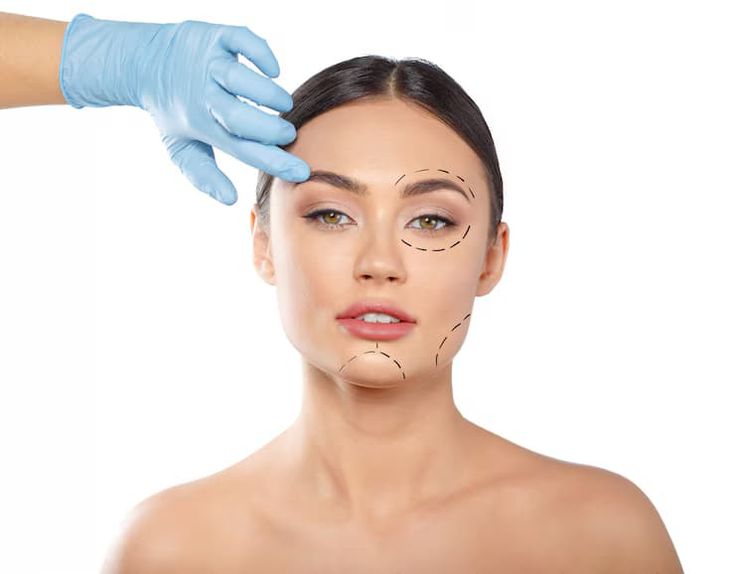
Rhinoplasty Cost in Albania 2026 – Updated Prices for Italian Patients

Rhinoplasty Cost in Albania 2026 – Updated Prices for Italian Patients

Many Italian patients are now considering Albania for cosmetic procedures, including rhinoplasty, due to high-quality care and affordable pricing. Understanding costs, safety, and what to expect is essential before planning your medical journey abroad. Albania’s medical tourism sector has grown rapidly in recent years, with several clinics now catering specifically to international patients. Italian patients benefit from direct communication in their language, which reduces stress and ensures clarity throughout the process. Overall, Albania offers an opportunity to combine quality surgery with a cost-effective approach.

How Much Does Rhinoplasty Cost in Albania in 2026?

Rhinoplasty prices in Albania are significantly lower than in Italy, without compromising quality. Open rhinoplasty procedures generally cost between €2,000 and €3,500, while closed techniques range from €1,500 to €3,000. Costs depend on the complexity of the procedure, the surgeon’s experience, and the clinic’s facilities. Many patients are pleasantly surprised by the high level of care included in these prices, which often matches or exceeds expectations compared to Italian clinics. For Italians considering surgery abroad, the lower cost can make it possible to access advanced procedures without financial strain. Booking in advance can also help secure the best pricing and schedule with experienced surgeons.

Factors Affecting Rhinoplasty Costs

Costs depend on several factors:

  • The complexity of the procedure
  • The surgeon’s experience and reputation
  • Clinic facilities and location

Other factors can include the type of anesthesia used, whether additional procedures like septoplasty are needed, and the length of post-operative care. Patients should always request a detailed breakdown to avoid surprises. Knowing the cost components upfront also allows for better planning of travel and accommodation expenses.

Why Are Rhinoplasty Costs Lower in Albania?

The lower costs in Albania are largely due to reduced operational expenses for clinics, while still maintaining modern facilities and internationally trained surgeons. Many clinics meet European-level safety and hygiene standards, giving Italian patients confidence in both the quality and safety of their procedure. Lower costs do not mean lower standards; in fact, some Albanian clinics are outfitted with equipment as advanced as the best Italian centers. Additionally, the competition among clinics has pushed providers to offer transparent packages and personalized service for international patients. Travel costs are also minimal, as Albania is geographically close to Italy, making it an efficient choice.

What Does the Cost Include?

In Albania, most reputable clinics provide comprehensive packages for rhinoplasty, which typically include:

  • Pre-operative consultation and 3D imaging
  • Surgeon’s fees
  • Anesthesia and operating room costs
  • Post-operative follow-up and medication

These packages ensure that patients do not encounter hidden fees and can plan their budget effectively. Many clinics also offer pre-travel support, such as virtual consultations and help arranging accommodations. Italian patients often find that the included services exceed what they would receive at comparable prices in Italy.

How Safe Is Rhinoplasty in Albania for Italian Patients?

Safety is one of the main concerns when considering surgery abroad. Albanian clinics often follow international protocols, and many provide Italian-speaking staff to guide patients throughout the process. Choosing a certified clinic and an experienced surgeon ensures that rhinoplasty in Albania can be both safe and reliable. Post-operative complications are rare, especially when patients follow aftercare instructions carefully. Clinics like Tirana Aria Clinic offer remote monitoring after surgery, allowing patients to contact medical staff if any concerns arise. Italian patients report high levels of satisfaction with both the procedure outcomes and the support they receive.

Tips for Ensuring Safety Abroad

Italian patients can increase safety by:

  • Verifying clinic certification and hygiene standards
  • Confirming the surgeon’s experience with rhinoplasty
  • Ensuring clear communication in Italian
  • Confirming post-operative care and follow-up

It is also recommended to read independent patient reviews and ask to see before-and-after results. Patients should avoid clinics offering unusually low prices that may compromise safety. Finally, selecting a clinic experienced with international patients ensures smoother logistics and support throughout the journey.

How to Choose the Right Surgeon in Albania

Selecting the right surgeon is critical for achieving optimal results. Italian patients are advised to look for board-certified plastic surgeons with extensive rhinoplasty experience, review before-and-after photos from previous patients, and ensure staff are available to communicate in Italian. Clinics specializing in international patients, like Tirana Aria Clinic, provide guidance from consultation to post-op follow-up. Meeting the surgeon before booking the procedure, even virtually, helps establish trust and allows for personalized planning. Patients should also confirm the clinic’s experience with cases similar to theirs. Choosing the right surgeon can be the difference between satisfactory and outstanding results.

What Results Can You Expect from Rhinoplasty?

Rhinoplasty results appear gradually as swelling decreases over several weeks. Patients can expect a more balanced and natural-looking nose, improved symmetry, and, if necessary, enhanced breathing function through septoplasty. Final results typically stabilize within six to twelve months, depending on individual healing patterns. Italian patients often notice immediate cosmetic improvements even after the initial swelling reduces. The procedure can improve both facial harmony and self-confidence. Surgeons tailor the shape and size of the nose to each patient’s facial structure and aesthetic preferences.
Recovery After Rhinoplasty

Recovery is straightforward but requires careful adherence to post-operative instructions. Patients usually need 1–2 weeks before returning to work and should avoid strenuous activity for 3–4 weeks. Proper care helps reduce swelling and bruising. Patients are advised to sleep with the head elevated and avoid pressure on the nose for the first few weeks. Follow-up appointments are essential to monitor healing and remove splints or stitches if used. Most patients can resume normal daily activities within a month while gradually resuming sports or strenuous exercise.

Why Italian Patients Choose Tirana Aria Clinic for Rhinoplasty

Tirana Aria Clinic has become a trusted choice for Italian patients seeking rhinoplasty abroad. The clinic combines high-quality care with transparent pricing, experienced surgeons, and Italian-speaking staff, offering full support before, during, and after the procedure. Italian patients consistently highlight the personalized care and clear communication as key reasons for choosing the clinic. The clinic also provides assistance with travel, accommodation, and virtual follow-ups, making the journey stress-free. Patients feel reassured knowing that medical support is available even after returning home. For those looking for safety, convenience, and excellent results at a lower cost, Tirana Aria Clinic is a reliable option.

FAQs

Is rhinoplasty in Albania safe for Italian patients?
Yes. Many clinics follow international protocols and provide Italian-speaking staff. Choosing a certified clinic and experienced surgeon ensures safety.
Open rhinoplasty typically costs €2,000–€3,500, while closed procedures range from €1,500–€3,000. Prices vary by surgeon experience and complexity.
Packages usually cover consultation, surgeon fees, anesthesia, operating room, and post-operative follow-up. Some clinics also provide 3D imaging.
Most patients return to work within 1–2 weeks. Avoid strenuous activity for 3–4 weeks, and follow post-op instructions carefully.
Yes. Many Albanian clinics catering to international patients have Italian-speaking staff for consultations and follow-up.
Initial improvements appear after swelling reduces in the first few weeks, with final results stabilizing within 6–12 months.
Look for board-certified surgeons, review before-and-after photos, and check patient reviews. Verify experience with similar cases.
Yes, most clinics include post-operative follow-ups in the package. Remote monitoring is often available for patients returning to Italy.

© 2025 Tirana Aria Clinic. All Rights Reserved.

Meet Dr. Gerald Kola: Hair Transplant Specialist in Albania

Meet Dr. Gerald Kola: DHI Hair Transplant Specialist Trusted by Italian Patients

Dr. Gerald Kola is a renowned medical professional specializing in Direct Hair Implantation (DHI). Recognized internationally, he is especially trusted by Italian patients seeking natural, long-lasting hair restoration results. His precision, experience, and patient-centered approach have made him a top choice for those traveling abroad for advanced hair care.

Who is Dr. Gerald Kola?

Dr. Gerald Kola is a highly trained physician with extensive experience in hair transplantation. Over the years, he has treated a wide spectrum of cases, from early-stage hair loss to complex restoration procedures. Known for his meticulous attention to detail, he focuses on creating natural-looking hairlines and achieving results that harmonize with the patient’s overall appearance.

What Makes Dr. Kola a Trusted Specialist for Italian Patients?

Italian patients value trust, safety, and clarity when choosing a specialist abroad. Dr. Kola stands out because he combines medical expertise with personalized care. He ensures that each patient receives a treatment plan tailored to their hair type, aesthetic goals, and personal needs. Beyond technical skill, his ability to communicate in Italian reassures patients and makes the entire process smooth and transparent.

How Dr. Kola Works With Patients

Dr. Kola’s approach ensures patients feel informed and supported throughout their hair restoration journey. His process includes:

  • Online Consultation: Evaluates hair loss and discusses patient goals.
  • Customized Treatment Plan: Designed for each patient’s hair density, donor area, and desired outcome.
  • Procedure Day: Performs precise DHI implantation with attention to aesthetics and comfort.
  • Post-Procedure Support: Provides clear aftercare guidance and remote follow-up in Italian, ensuring continued support even after returning home.

This structured workflow helps patients feel confident, safe, and cared for at every step.

Dr. Kola’s Results and Care Philosophy

Dr. Kola prioritizes results that look natural and last over time. Every procedure is performed with precision, aiming to maximize hair density and create a harmonious hairline. He minimizes patient discomfort while emphasizing long-term satisfaction. Italian patients frequently highlight his professionalism, empathy, and ability to make them feel at ease during every stage of their treatment.

Why Italian Patients Choose Dr. Gerald Kola

Choosing a hair transplant specialist abroad can be stressful. Italian patients choose Dr. Kola for his combination of skill, experience, and patient-focused care.

He offers:

  • Expertise recognized by international patients
  • Transparent communication in Italian
  • Personalized treatment plans for each individual
  • Reliable follow-up, ensuring peace of mind

For Italians seeking a trustworthy DHI specialist with proven results, Dr. Gerald Kola represents a confident and safe choice.

© 2025 Tirana Aria Clinic. All Rights Reserved.

Female Hair Transplant in Albania: Options, Costs, and Results for Italian Women

Female Hair Transplant in Albania: Options, Costs, and Results for Italian Women

Hair loss is often discussed as a men’s issue, but many women also experience thinning hair, widening part lines, receding temples, or patchy loss that affects confidence and daily life. For Italian women looking for an effective and affordable solution, a female hair transplant in Albania is becoming an increasingly attractive option.

Tirana has gained attention among international patients because it offers modern hair restoration techniques, experienced specialists, and lower treatment costs than many clinics in Italy. However, female hair transplantation is not exactly the same as male hair transplantation. Women usually have different patterns of hair loss, different styling concerns, and different expectations for density and recovery.

 Why women choose hair transplant treatment

Female hair loss can happen for several reasons. Some women notice gradual thinning over the years, while others develop visible hairline recession after stress, hormonal changes, pregnancy, genetics, or medical conditions. In some cases, the issue is localized, such as thinning at the temples, eyebrows, or areas affected by traction from tight hairstyles. In other cases, the thinning is more diffuse, which requires a more careful medical evaluation.

A hair transplant may be a good solution when the donor area is strong and the hair loss pattern is suitable for surgery. For many Italian women, the goal is not to create a dramatic new hairline, but to restore natural density, improve framing around the face, and achieve a fuller look that still feels feminine and realistic.

Is every woman a good candidate?

Not every woman with hair loss should have a transplant immediately. This is one of the most important points to understand. A proper consultation is necessary to identify the real cause of the thinning and to determine whether surgery is the best option.

Women may be good candidates if they have:

  • Stable hair loss.

  • A strong donor area.

  • Temple recession.

  • Traction alopecia.

  • Eyebrow loss.

  • Scars that need coverage.

  • A naturally high hairline they want to lower carefully.

Women with diffuse thinning across the entire scalp may need a more cautious approach. If the donor area is also weak, surgery may not provide the desired density. In those cases, the doctor may recommend medical treatment, blood tests, hormonal evaluation, or a combination approach before considering transplantation.

Important medical factors to check first

For female patients, it is often important to rule out underlying conditions before surgery. Hormonal imbalance, thyroid disorders, iron deficiency, and some autoimmune conditions can contribute to hair loss. If the cause is still active and untreated, a transplant alone may not solve the problem.

This is why a serious clinic should ask about medical history, medications, previous treatments, and the duration of the hair loss. For Italian women considering treatment in Albania, an online consultation is often the first step, but it should be followed by a proper in-person evaluation before the final treatment plan is confirmed.

Hair transplant options for women in Albania

The most common methods offered in Albania are FUE and DHI. Both techniques can work well for female patients, but the best choice depends on the treatment area, hair characteristics, and the final aesthetic goal.

FUE for female hair transplant

FUE, or Follicular Unit Extraction, involves taking individual hair follicles from the donor area and implanting them into thinning or bald areas. It is widely used and can be very effective for restoring temple areas, lowering the hairline, or improving density in selected zones.

For women, FUE is often chosen when the treatment area is clearly defined and the donor hair is healthy. One advantage is that it allows precise graft placement with a natural direction and pattern. The exact shaving approach depends on the case. Some women choose a partial shave or a more discreet donor-area preparation rather than a full shave.

DHI for female hair transplant

DHI, or Direct Hair Implantation, is often popular among women because it allows very controlled implantation and can be useful for adding density between existing hairs. This can be especially helpful when the doctor wants to work carefully without disturbing surrounding hair.

DHI may be a good option for women with limited but visible thinning, especially in the frontal zone or along the hairline. It is often promoted as a precise technique for creating a refined and natural result, although the quality of the outcome still depends much more on the medical team’s planning and experience than on the name of the technique alone.

Hairline lowering and temple restoration

Some female patients are not dealing with classic hair loss, but with a naturally high forehead or thin temple corners. In these cases, the procedure is more about reshaping facial balance than replacing lost hair. A carefully designed female hairline can soften the face and create a more harmonious appearance.

This type of transplant requires a conservative and artistic approach. The new hairline should suit the patient’s age, facial proportions, and future appearance. A well-done result should look natural even when the hair is tied back.

How much does a female hair transplant cost in Albania?

The cost of a female hair transplant in Albania is usually lower than in Italy, which is one of the main reasons international patients consider Tirana. However, price should not be the first or only factor. The final cost depends on the number of grafts needed, the technique used, the complexity of the case, and what is included in the package.

Some women only need small hairline refinement or temple work, while others need broader density improvement. A smaller case may cost less, but the technical precision may still be high. In other words, a lower graft count does not always mean the procedure is simple.

Italian patients should also ask what the quotation includes. Some clinics include consultation, surgery, aftercare, medication, transport, and follow-up support, while others charge these separately. Comparing total value is usually more useful than comparing price alone.

What results can Italian women expect?

Results depend on the cause of hair loss, the quality of the donor area, the chosen treatment plan, and how realistic the expectations are from the start. In general, female hair transplant results are gradual. The transplanted hairs usually shed in the early phase, and visible regrowth begins over the following months. The full cosmetic improvement takes time.

For most women, the goal is improved density and a more balanced look rather than extreme volume. If the transplant is planned correctly, the final result can look very natural and blend well with existing hair. This is especially important for women, because even small irregularities in direction or density can be more noticeable when the surrounding hair is long.

The recovery process

Recovery after a female hair transplant is usually manageable, but it still requires planning. There may be mild swelling, redness, and sensitivity in the treated areas during the first days. The clinic will normally provide washing instructions, sleeping advice, and guidance on when to return to work, exercise, and travel.

For Italian patients flying to Tirana, it is useful to plan a short stay that allows for the procedure and the first post-operative check. Many women prefer to return home once the initial recovery instructions are complete, then continue follow-up remotely with the clinic.

Why Italian women are considering Albania

Albania has become more visible in medical tourism because it combines geographical convenience with lower costs and increasing clinical experience. For Italian patients, the short flight time makes the journey easier than many other destinations. Communication is also an important factor, since clinics that work with international patients often provide organized support before and after treatment.

Still, choosing the right clinic matters far more than choosing the cheapest destination. Italian women should look for clear consultations, honest assessments, natural-looking before-and-after cases, and realistic communication about what surgery can and cannot achieve.

Final thoughts

A female hair transplant in Albania can be an excellent option for Italian women who want to restore their hairline, improve density, or correct specific thinning areas with a natural result. The key is understanding that female hair loss requires careful diagnosis and personalized planning. What works for a male patient is not automatically the right solution for a female one.

With the right evaluation, the right technique, and realistic expectations, treatment in Tirana can offer both quality and value. For women who are suitable candidates, the result is often not just more hair, but a meaningful improvement in confidence, comfort, and everyday appearance.

FAQs

Can women really get a successful hair transplant?
Yes, many women can achieve very good results, especially when the hair loss is stable and the donor area is strong. Success depends on proper diagnosis, realistic planning, and careful execution.
Not always. DHI can be useful for precise implantation and density work between existing hairs, but FUE can also be an excellent option. The best technique depends on the pattern of hair loss and the treatment goals.
Not in every case. Some female patients can have a partial shave or a more limited donor-area preparation. The exact approach depends on the technique, the number of grafts, and the clinic’s method.
Early shedding is normal, and visible growth usually starts after the first months. Improvement continues gradually, with fuller results becoming more noticeable over time.
In many cases, yes. Albania is often more affordable than Italy, but the real value depends on the clinic’s quality, the doctor’s experience, and what is included in the treatment package.

© 2025 Tirana Aria Clinic. All Rights Reserved.

Best Microneedling Clinic in Tirana – What to Expect Before & After

Best Microneedling Clinic in Tirana – What to Expect Before & After

Microneedling in Tirana is a safe, minimally invasive dermatological treatment that improves acne scars, fine lines, and overall skin quality. When performed in a certified clinic, it involves minimal downtime of one to three days and produces gradual, natural results as collagen regenerates over time. Compared to Italy, treatment costs are significantly lower, often reduced by up to 60 percent, while maintaining high medical standards. Most patients require a series of three to six sessions to achieve optimal and long-lasting results.

Why is microneedling in Tirana safe and effective?

Tirana has become an increasingly popular destination for Italian patients seeking aesthetic treatments. This is largely due to the combination of modern medical infrastructure and affordable pricing. Reputable clinics operate with CE-certified equipment and follow strict hygiene protocols, ensuring patient safety at every stage.

The effectiveness of microneedling lies in its ability to address multiple skin concerns simultaneously. Patients commonly seek this treatment for acne scars, early signs of aging, enlarged pores, and uneven skin tone. When performed correctly, the procedure delivers visible improvements without the risks associated with more invasive interventions.

What is microneedling and how does it work?

Microneedling is a regenerative procedure designed to stimulate the skin’s natural healing response. It involves the use of a specialized device equipped with fine needles that create controlled micro-injuries on the skin’s surface.

What happens beneath the skin?

These micro-injuries trigger the production of collagen and elastin, which are essential for maintaining firm and youthful skin. As the skin repairs itself, it becomes smoother, more even in tone, and visibly healthier. The process is gradual, allowing results to develop naturally over time without altering facial features.

What should you expect before the treatment?

A thorough consultation is the first and most important step before undergoing microneedling. During this phase, a specialist evaluates your skin condition and determines whether the treatment is suitable for your needs.

Patients are generally advised to avoid sun exposure in the days leading up to the procedure and to discontinue the use of strong skincare products such as retinol or chemical exfoliants. Proper preparation ensures that the skin is in optimal condition, reducing the risk of irritation and improving the effectiveness of the treatment.

Does microneedling hurt?

Microneedling is widely considered a comfortable procedure. Before the treatment begins, a topical numbing cream is applied to minimize any discomfort. Most patients report a mild tingling or vibrating sensation rather than actual pain.

The session typically lasts between thirty and sixty minutes, depending on the area being treated. This makes it a convenient option for individuals seeking noticeable results without undergoing invasive or time-consuming procedures.

What happens after microneedling? Recovery explained

Following the treatment, the skin naturally reacts as part of the healing process. It is common to experience redness similar to a mild sunburn, along with slight swelling and sensitivity.

How long does recovery take?

These effects usually subside within one to two days. Some patients may notice mild dryness or peeling over the following days as the skin renews itself. Within a week, the skin generally appears brighter, smoother, and more refreshed.

Proper aftercare is essential. Using gentle skincare products, avoiding makeup for at least twenty-four hours, and applying sunscreen daily will help protect the skin and support healing.

Microneedling before and after – when will you see results?

Microneedling results develop progressively because the treatment relies on the body’s natural regenerative processes. Patients often notice an initial improvement in skin radiance within the first week.

What is the realistic timeline for results?

More visible changes, such as smoother texture and reduced imperfections, typically appear after three to four weeks. The most significant improvements occur after two to three months, once collagen production has increased. For deeper concerns, multiple sessions are necessary to achieve optimal results.

How much does microneedling cost in Tirana vs Italy?

The cost difference between Tirana and Italy is one of the main reasons patients consider traveling abroad for treatment. In Italy, microneedling sessions generally range between 150 and 300 euros.

In Tirana, the same treatment is usually available at a significantly lower price, typically between 70 and 150 euros per session. This allows patients to complete a full treatment plan at a much lower overall cost, without compromising on quality when choosing a reputable clinic.

How to choose the best microneedling clinic in Tirana?

Choosing the right clinic is essential for both safety and results. A trustworthy provider will focus on patient education, transparency, and personalized care.

Patients should look for clinics that use certified equipment, employ experienced professionals, and provide clear consultation processes. Communication is also key, especially for international patients, as it ensures understanding and confidence throughout the treatment journey.

FAQs

How many microneedling sessions are needed for visible results?
Most patients require between three and six sessions to achieve optimal results. The exact number depends on the skin condition being treated, such as acne scars or fine lines, as well as individual skin response.
Microneedling is generally safe for most skin types and tones. However, a professional consultation is necessary to determine whether the treatment is appropriate, especially for patients with active skin infections or certain dermatological conditions.
Results can last several months, particularly when a full treatment cycle is completed. Maintenance sessions may be recommended to prolong the effects, depending on the patient’s skin goals and aging process.
Yes, microneedling is often combined with treatments such as PRP (platelet-rich plasma) or specialized serums to enhance results. A qualified specialist will recommend the best combination based on your skin needs.
Microneedling is considered low-risk when performed by trained professionals. Temporary redness, sensitivity, and mild swelling are the most common side effects, and they typically resolve within a few days.
Most patients can resume normal daily activities within 24 hours. However, it is recommended to avoid intense sun exposure, heavy exercise, and makeup for at least one day after the procedure.
Look for clinics that are licensed, use CE-certified Botox, and employ trained doctors. Italian-speaking staff and transparent consultation procedures are additional indicators of quality.

© 2025 Tirana Aria Clinic. All Rights Reserved.

How Much Does Botox Cost in Albania Compared to Italy?

Botox in Albania vs Italy: Prices, Safety, and What Italian Patients Need to Know

Italian patients are increasingly considering international options for aesthetic treatments such as Botox. Albania, particularly Tirana, has become a popular destination because it combines high-quality medical care with significantly lower prices than Italy. While cost is an important factor, safety, clinic reputation, and patient experience remain paramount. This guide provides a comprehensive overview of Botox pricing, treatment options, and practical considerations, helping Italian patients make informed decisions with confidence.

Average Botox Prices in Albania

Albania offers a compelling alternative for patients seeking affordable yet professional Botox treatments. Clinics in Tirana are equipped with modern medical facilities, and many have staff fluent in Italian to cater to international patients. Prices in Albania are typically lower than in Italy due to reduced operational costs and competitive market dynamics. For Italian patients, this combination of affordability and quality makes Albania a very attractive destination for aesthetic treatments, especially when planning multi-area procedures or repeat sessions.


Single-Area Treatment Costs


A Botox session for one area, such as the forehead, glabella (frown lines), or crow’s feet, usually costs between €100 and €150. Variations in price depend on the clinic’s location, the experience of the practitioner, and the brand of Botox used. Even premium clinics in Tirana often charge less than mid-range clinics in Italy, offering patients both savings and high-quality service.


Multi-Area Packages


For patients looking to treat multiple areas, packages generally range from €250 to €350. These packages often include the initial consultation, personalized treatment plan, and sometimes follow-up care. Multi-area packages maximize cost efficiency without compromising safety or results, making them a practical choice for patients with comprehensive aesthetic goals.

Average Botox Prices in Italy

Botox treatments in Italy are significantly more expensive than in Albania, a factor that often leads patients to consider traveling abroad. Costs vary based on the city, clinic reputation, and practitioner experience, with Milan, Rome, and other major cities generally being the most expensive. Despite higher costs, Italian clinics maintain strong regulatory oversight and consistent medical standards, which ensures patient safety and quality results.


Price Range for Single-Area Treatments


A single-area Botox treatment in Italy generally costs between €270 and €410, depending on the clinic’s location and the expertise of the practitioner. Urban clinics tend to be at the higher end of this range due to elevated operating costs, while smaller regional clinics may be slightly lower.


Multi-Area Treatments and Packages


Combined treatments covering multiple areas, such as forehead, glabella, and crow’s feet, can exceed €500. Scheduling may require multiple appointments or consultations, adding both time and cost to the process.

Albania vs Italy Price Comparison

Seeing a clear price comparison helps patients evaluate whether traveling abroad is financially worthwhile. Albania offers substantial savings while maintaining professional standards, which is particularly attractive for Italian patients seeking high-quality aesthetic care at lower costs.


Average Botox Prices by Area

Area TreatedAlbania (€)Italy (€)
Forehead100–150270–410
Crow’s Feet100–150270–410
Glabella (Frown lines)100–150270–410
Multi-area Packages250–350500+


Savings Italian Patients Can Expect


Even after factoring in travel expenses, patients often save 40–60% by choosing a reputable Albanian clinic. Many clinics provide packages that include transportation assistance, accommodation, or post-treatment follow-up, making the entire experience smoother and more predictable for international patients.

Is Botox Safe in Albania?

Safety is a primary concern for anyone traveling abroad for aesthetic procedures. While lower costs may initially raise questions, many Albanian clinics follow European medical standards and employ licensed dermatologists or plastic surgeons with recognized certifications. Patients are advised to research clinics carefully and ensure their doctor is qualified, especially for treatments like Botox that require precise administration.

Albania’s clinics catering to Italian patients often provide consultations in Italian, clear explanations of the procedure, and follow-up support. This ensures continuity of care even after patients return home and helps build confidence in the treatment process.

What is Usually Included in Botox Treatments Abroad?

Understanding what is included in a Botox treatment package is essential for planning and budgeting. Reputable clinics in Albania typically provide a transparent breakdown of services so that patients know exactly what to expect. A standard package usually includes a pre-procedure consultation, a personalized assessment, the Botox injections themselves, and post-treatment care instructions. Some clinics also offer follow-up support via video call to monitor results and answer questions. Additionally, international patients may have access to optional services, such as hotel recommendations or airport transfers, making the process more convenient and stress-free.

Duration of Results and Frequency of Treatments

Patients often want to know how long Botox lasts and how often they will need touch-ups. The effects of Botox typically last 3–4 months, though individual results can vary depending on muscle activity, metabolism, and the amount injected. Regular treatments are often planned every 2–3 sessions per year to maintain results. Consistency in treatment, ideally with the same clinic and practitioner, helps patients achieve natural-looking results while avoiding over-treatment. Planning ahead also allows patients to optimize their visits abroad and reduce overall travel costs.

FAQs

Is Botox safe when done abroad?

Yes, Botox is safe as long as it is administered by a licensed professional in a certified clinic. Reputable Albanian clinics use CE-certified products and follow strict medical protocols, ensuring patient safety comparable to Italian clinics.

Single-area treatments in Albania typically cost €100–€150, while multi-area sessions range €250–€350. In Italy, prices are often 2–3 times higher, depending on the city and clinic. Patients can save significantly, even after factoring in travel costs.

Botox injections are minimally invasive. Most patients report only a mild pinch or slight discomfort, which can be reduced with topical anesthetics if needed.

The results generally last 3–4 months, depending on individual muscle activity and the dose used. Regular treatments, usually 2–3 times per year, are recommended to maintain results.
Minor side effects can include temporary swelling, redness, or bruising at the injection site. Serious complications are very rare when the procedure is performed by a trained medical professional.
Yes. Botox does not require significant recovery time, allowing patients to return home the same day or the next day with minimal disruption.
Look for clinics that are licensed, use CE-certified Botox, and employ trained doctors. Italian-speaking staff and transparent consultation procedures are additional indicators of quality.
Many Albanian clinics provide remote follow-up via video call, ensuring that patients can ask questions and receive guidance even after returning home. This ensures both safety and peace of mind.

© 2025 Tirana Aria Clinic. All Rights Reserved.

Advanced Laser Tech: Pain-Free 2026

Advanced Laser Technology 2026: Pain-Free Treatments for Italian Patients in Albania

Advanced laser technology is transforming medical care worldwide. Modern clinics can now treat pain, inflammation, and musculoskeletal conditions without surgery and with minimal recovery time. Italian patients increasingly choose clinics in Albania for these treatments due to affordable costs, high-quality care, and assistance in Italian. In Tirana, leading clinics offer personalized laser therapies comparable to European standards.

What Is Advanced Medical Laser Technology and Why Is It Important in 2026?

Medical lasers use highly focused light that targets specific tissues without affecting surrounding areas. This precision allows clinicians to reduce pain and inflammation, accelerate tissue healing, and minimize risks.

In 2026, these lasers are considered the gold standard for non-invasive pain relief, rehabilitation, and cosmetic procedures, particularly for patients traveling from abroad. The latest devices can adapt the energy level and pulse frequency based on each patient’s needs, making treatment safer and more effective.

Does Laser Treatment Hurt? Are Treatments Really Pain-Free?

Many patients worry about discomfort during laser therapy. Modern devices are designed to be almost painless. Most patients feel only a slight warming sensation or mild vibration.

Clinics in Albania often combine advanced laser devices with cooling techniques and precise energy modulation to maximize comfort, even for sensitive patients. This makes treatments far more tolerable than traditional procedures.

Some patients also report that treatments feel relaxing, as the laser helps reduce muscle tension and stimulate circulation during therapy.

Which Conditions Can Benefit from Advanced Laser Therapy?

Advanced laser therapy can treat a wide range of conditions. Chronic pain, inflammation, and musculoskeletal injuries respond particularly well.

Patients recovering from surgery or trauma can use laser therapy to speed up healing, while certain skin and cosmetic treatments can improve appearance and texture with minimal discomfort. Every treatment plan is personalized according to the patient’s needs.

How Laser Therapy Helps Recovery and Rehabilitation

Laser therapy accelerates healing by stimulating cell regeneration and improving blood flow in affected areas. For athletes or patients recovering from injuries, this can mean shorter rehabilitation times and faster return to normal activities.

Additionally, laser therapy can be combined with physiotherapy or manual therapy to maximize outcomes, creating a comprehensive recovery program tailored to each patient.

Why Are Italian Patients Choosing Clinics in Albania?

Albania has become a preferred destination for Italian patients because it offers high-quality care at lower costs. Clinics in Tirana employ highly trained staff with international certifications and provide patient support in Italian.

Short travel distance from Italy also allows patients to attend consultations and follow-ups conveniently. Clinics provide structured treatment pathways, guiding patients from the initial consultation to post-treatment recovery.

Many patients also note that Albanian clinics are highly flexible with scheduling and offer personalized attention, which improves the overall experience compared to crowded facilities in Italy.

How to Choose the Right Laser Clinic in Albania?

Choosing the right clinic is essential for safety and effectiveness. Italian patients should ensure the clinic offers CE-certified laser devices, experienced medical staff, pre-treatment consultations, and structured follow-up in Italian.

Transparency in cost estimates and detailed procedural explanations also helps patients feel confident in their treatment choice.

 What to Verify Before Choosing a Laser Clinic

  • CE-certified laser devices

  • Experienced and qualified medical staff

  • Communication available in Italian

  • Personalized treatment plan

  • Structured follow-up and recovery support

  • Transparent costs and payment options

  • Modern facilities and hygiene standards

  • Positive patient reviews and testimonials

  • Availability of pre-treatment consultation

  • Flexibility in scheduling appointments

Real Benefits of Advanced Laser Therapy

Advanced laser therapy offers tangible improvements for patients. Many experience significant pain relief without strong medication, faster recovery, and enhanced mobility. Treatments are non-invasive, require no general anesthesia, and can improve overall quality of life.

For patients with chronic pain, laser therapy can reduce reliance on medications, lowering side effects and improving long-term health outcomes. In cosmetic applications, laser treatments can improve skin texture, elasticity, and reduce scarring with minimal discomfort.

FAQs

Can laser therapy completely replace surgery for some conditions?
In some cases, mild to moderate injuries or chronic pain can be managed effectively with laser therapy, potentially avoiding surgery.
Sessions typically last 15–45 minutes depending on the condition and treatment area. Some patients may need longer or multiple sessions.
Most patients experience minor redness or warmth at the treatment site, which usually resolves within 24–48 hours. Serious complications are rare when treatment is provided in certified clinics.
Patients usually return to daily activities immediately. Strenuous exercise may be restricted for 24–48 hours depending on the therapy.
Yes, laser therapy is generally low-risk. Patients with specific conditions should consult their doctor beforehand.
Some patients see results after a single session, while others may require 3–6 sessions spaced weekly for optimal outcomes.
Yes. Many clinics offer follow-up consultations via phone or video in Italian, ensuring clear understanding of recovery instructions.
Yes. Laser therapy is often part of a multimodal plan, complementing physiotherapy, medication, or cosmetic procedures depending on patient needs.

© 2025 Tirana Aria Clinic. All Rights Reserved.

Cost Savings: Albania vs. Italy 2026

Albania vs Italy 2026: How Much Can You Really Save on Medical Treatments?

In 2026, many Italian patients are not just comparing doctors. They are comparing systems. Private healthcare costs in Italy continue to rise. At the same time, public waiting lists remain long in many regions. This combination is pushing patients to look for alternatives that are close, regulated, and financially sustainable. One destination is emerging consistently: Albania. But the real question is not simply “Is it cheaper?” The real question is: How much do you save, and is it safe?

This article provides a clinical, data-based answer.

How Much Can You Save in Albania Compared to Italy in 2026?

On average, patients report savings between 40% and 70%, depending on the treatment.

The difference is particularly noticeable in dental implants, full-mouth rehabilitations, cosmetic surgery, and advanced aesthetic medicine procedures.

Below is a general 2026 private-sector cost comparison:

These figures vary depending on case complexity and clinic standards.

ProcedureItaly (Average €)Albania (Average €)Estimated Savings
Hair Transplant (FUE)5,000 – 8,0002,000 – 3,50045–60%
Botox (per area)300 – 500120 – 25040–60%
Lip Filler350 – 600150 – 30045–60%
Breast Augmentation6,500 – 9,0003,500 – 5,00040–50%
Liposuction (1 area)3,000 – 5,0001,800 – 3,00040–50%


The reason for the price difference is structural. Operating costs in Albania are lower. Taxes, facility expenses, and administrative overhead are significantly reduced compared to large Italian cities. This allows clinics to offer competitive pricing without necessarily lowering clinical standards.

 Are Medical Standards in Albania Aligned with Europe?

Yes — if you choose a certified clinic. Modern clinics in Tirana use medical devices with CE certification, meaning they comply with European safety and regulatory requirements.

What Does CE Certification Mean for Patients?

CE marking ensures that medical devices meet European standards for safety, traceability, and performance. For patients, this means materials and equipment are regulated under recognized European compliance systems. Many physicians practicing in Tirana have international training or professional experience in Italy and other EU countries. Protocols in reputable clinics follow European clinical guidelines. Quality is not determined by geography. It is determined by certification, transparency, and professional standards.

Why Are Private Medical Costs Higher in Italy?

Italy offers excellent medical expertise. However, private healthcare pricing reflects a higher economic structure.

Professional insurance costs, taxation, real estate prices, administrative staffing, and regulatory expenses all influence the final price paid by the patient.

In 2026, the primary challenge for many Italians is not quality. It is accessibility — both financial and temporal.

When waiting lists are long and private fees are high, patients begin looking for regulated alternatives.

Is Tirana Convenient for Italian Patients?

One of Albania’s strongest advantages is proximity. Tirana is approximately one hour by flight from many Italian cities. This short travel time significantly reduces logistical stress compared to long-distance medical travel.

The closeness allows patients to schedule consultations and procedures efficiently, while keeping travel manageable. In case of need, returning to Italy is quick and straightforward.

Many clinics also provide remote follow-up consultations, maintaining continuity of care after the patient returns home.

Do Medical Staff in Albania Speak Italian?

In clinics that specifically serve Italian patients, yes.

Clear communication is essential in healthcare. Understanding diagnosis, risks, benefits, and post-operative instructions is critical for informed consent and safe recovery.

Italian-speaking staff and coordinators help ensure that patients fully understand their treatment plan and feel supported throughout the process.

Are There Risks in Seeking Treatment in Albania?

Every medical procedure carries risks, regardless of country. The determining factors are not national borders, but medical experience, proper patient selection, certified materials, and transparent clinical planning.

The greatest risk is choosing based solely on price without verifying credentials.

Patients should ensure that:

The clinic uses CE-certified medical devices.
The physician’s qualifications are verifiable.
A written treatment plan is provided.
Informed consent is clearly explained.

Safety depends on standards, not location.

Is Choosing Albania in 2026 a Smart Decision?

For many Italian patients, it can be. It is particularly advantageous when private treatment in Italy is financially restrictive or when waiting times are too long. It is also suitable for patients who want European-regulated care within short travel distance. However, the decision must be informed and rational.

Albania is not a “cheap shortcut.” When properly selected, it is a structured, regulated alternative offering CE-certified standards, proximity to Italy, Italian-speaking staff, and significant cost savings.

An informed patient does not look for the lowest price. They look for the best balance between safety, accessibility, and sustainability.

FAQs

Are hair transplants in Albania as effective as in Italy?
Effectiveness depends on the technique (such as FUE), surgeon expertise, and patient suitability. When performed in certified clinics using proper protocols, outcomes can be comparable.
Reputable clinics use CE-certified implants and injectable products that comply with European safety regulations. Patients should always request confirmation of the brand and certification.
The required stay depends on the procedure. Minor aesthetic treatments may require only 1–2 days, while major surgeries typically require several days of monitoring before travel.
Many clinics provide structured remote follow-up, including video consultations and post-operative guidance.
Yes. Licensed clinics operate under national healthcare regulations aligned with European safety standards, particularly regarding CE-marked medical devices.

© 2025 Tirana Aria Clinic. All Rights Reserved.

Why Italian Patients are choosing Tirana for Non-Surgical Aesthetics

Why More Italian Patients Are Choosing Tirana for Non-Surgical Aesthetic Treatments

In recent years, a growing number of Italian patients have started choosing Tirana for non-surgical aesthetic treatments. This shift is not simply about price. It reflects a broader search for clinical safety, certified standards, accessibility, and transparent communication. Botox, dermal fillers, and skin rejuvenation procedures are medical treatments. They require proper clinical environments, certified products, and experienced physicians. Here is why Tirana is becoming a trusted destination.

Is It Safe to Have Non-Surgical Aesthetic Treatments in Tirana?

Yes — provided the clinic operates according to European standards. Qualified clinics in Albania use CE-certified medical devices and injectable products, in compliance with European regulations for medical devices. This includes dermal fillers, botulinum toxin, and aesthetic equipment.

Safety depends on the physician’s training and experience, the use of CE-certified products, and clear documented clinical protocols. A proper medical pathway includes a full medical assessment, informed consent, personalized treatment planning, and post-treatment follow-up. Aesthetic medicine is a medical act — not a cosmetic shortcut.

How Much Can Patients Save Compared to Italy?

On average, Italian patients can save between 40% and 60% compared to prices in many Italian cities. This difference is not due to lower quality. It reflects lower operational costs, different tax structures, and economic factors in Albania. For maintenance treatments such as botulinum toxin, which typically require sessions every 4–6 months, affordability becomes a key factor in long-term planning. Patients can maintain consistent aesthetic care without compromising on CE-certified products or professional standards.

How Close Is Tirana to Italy?

Tirana is approximately a one-hour flight from major Italian cities such as Rome, Milan, Bari, and Bologna. This geographical proximity makes treatment planning practical and manageable. Non-surgical procedures usually involve minimal downtime, often between 24 and 48 hours. Many patients schedule treatments over a short stay or weekend. The short distance also allows for convenient follow-up if needed.

Do Doctors in Tirana Speak Italian?

Yes, in clinics that regularly treat Italian patients. Clear communication is essential in aesthetic medicine. Patients must fully understand the procedure, expected outcomes, risks, and post-treatment instructions. Being able to speak Italian with the medical team significantly reduces anxiety and improves trust in the treatment process. The doctor–patient relationship is a central element of clinical safety.

Are the Results Comparable to Those in Italy?

When performed by qualified physicians using CE-certified products, results are clinically comparable to those achieved in Italy. The quality of outcome depends on medical expertise, proper injection techniques, facial proportion analysis, and a conservative personalized approach. Modern aesthetic medicine focuses on facial harmony rather than transformation. Common treatments requested by Italian patients include botulinum toxin for dynamic wrinkles, lip and cheek fillers, non-surgical rhinoplasty (rinofiller), and skin revitalization procedures. Side effects are typically mild and temporary, such as slight redness or swelling.

How to Choose a Reliable Clinic in Tirana

Selecting the right clinic is the most important step. Here is a quick checklist to guide your decision:

  • Compliance with European standards and CE certification

  • Physicians with documented training and continuous education

  • Transparency regarding products used

  • Detailed pre-treatment consultation

  • Clear follow-up plan

  • Italian-speaking staff

A responsible clinic does not promise unrealistic results. It explains benefits, limitations, and possible side effects clearly.

Why Is Tirana Becoming a Hub for Non-Invasive Aesthetics?

Tirana combines several elements that address common patient concerns. European-standard protocols, CE-certified products, Italian-speaking medical staff, and close proximity to Italy create a structured and accessible solution. The one-hour flight distance allows patients to integrate treatments into their work and family schedules without significant disruption. This is not about shortcuts. It is about accessing safe, structured, and sustainable aesthetic care.

An Informed Decision Is a Safe Decision

Choosing to undergo aesthetic treatment abroad requires careful evaluation. When a clinic operates under European standards, uses CE-certified devices, and ensures clear communication in Italian, patients can approach treatment with confidence. Tirana is not simply a lower-cost alternative. It represents a clinically structured option for patients seeking safety, transparency, and long-term affordability. In aesthetic medicine, informed patients make safer decisions.

FAQs

Are aesthetic treatments in Tirana regulated under European standards?
Yes. Qualified clinics use CE-certified products and devices in compliance with European medical regulations. Safety depends on choosing a reputable, properly regulated clinic.
Yes. There are no restrictions preventing Italian citizens from undergoing aesthetic treatments in Albania. Patients should keep all medical documentation and informed consent forms.
Recovery is typically minimal. Most patients return to normal activities within 24 hours. Mild swelling or redness may occur temporarily.
Yes. Because Tirana is only about one hour away by flight, many patients return the following day. Non-surgical treatments generally do not require extended stays.
Many clinics offer remote follow-up consultations via video call. If necessary, the short travel distance makes in-person review manageable.
In clinics serving Italian patients, yes. Communication in Italian is essential for understanding expectations, risks, and aftercare instructions.
When performed conservatively by experienced physicians using CE-certified products, the goal is facial harmony, not artificial transformation. Natural results depend on proper technique and personalized planning.

© 2025 Tirana Aria Clinic. All Rights Reserved.

The Best Chemical Peels for Acne Scars and Sun Damage: A Complete Guide

The Best Chemical Peels for Acne Scars and Sun Damage: A Complete Guide

Acne scars and sun damage are common skin concerns that affect both appearance and self-confidence. Many patients struggle for years with uneven skin texture, dark spots, or visible scarring, often trying multiple treatments without satisfactory results. Chemical peels are a medically established solution that can significantly improve these conditions when performed correctly.

For Italian patients facing high costs, long waiting lists, or uncertainty about treatment quality in Italy, Albania has emerged as a reliable alternative. This guide explains which chemical peels are most effective for acne scars and sun damage, how safe these treatments are, and what patients should expect when choosing care abroad.

What Is a Chemical Peel and How Does It Improve the Skin?

A chemical peel is a medical procedure that uses specific acids to exfoliate the skin in a controlled manner. By removing damaged outer layers, the treatment stimulates skin regeneration and collagen production, leading to smoother texture, improved tone, and reduced pigmentation.

Chemical peels are classified as superficial, medium, or deep depending on how deeply they penetrate the skin. The choice of peel depends on the type of skin damage, the patient’s skin type, and the desired level of improvement. When CE-certified products and proper medical protocols are used, chemical peels are considered safe and effective.

Which Chemical Peels Are Best for Acne Scars?

The effectiveness of a chemical peel for acne scars depends largely on the depth and type of scarring. Not all acne scars respond to the same treatment, which is why professional assessment is essential.

Medium-Depth Chemical Peels for Acne Scarring

Medium chemical peels are commonly used for post-acne scars that affect the superficial and mid-layers of the skin. These peels help stimulate collagen production and gradually improve skin texture. Recovery time is moderate, but results are usually noticeable after proper healing.

Deep Chemical Peels for Severe Acne Scars

Deep chemical peels may be considered for more severe or widespread acne scarring. These treatments penetrate deeper skin layers and can provide more significant improvement. However, they require longer recovery periods and strict post-treatment care, making medical supervision essential.

Which Chemical Peels Are Most Effective for Sun Damage?

Sun damage typically presents as dark spots, uneven pigmentation, rough texture, and early signs of aging. Chemical peels help correct these issues by removing damaged skin cells and encouraging regeneration.

Superficial Chemical Peels for Mild Sun Damage

Superficial peels are suitable for patients with early sun damage. They improve skin brightness and tone with minimal downtime, making them a good option for patients seeking gradual improvement.

Medium Chemical Peels for Pigmentation and Texture

Medium-depth peels are often recommended for patients with more visible sun spots and uneven skin texture. These peels provide deeper exfoliation and more noticeable results while still maintaining a reasonable recovery period.

What Are the Best Chemical Peels for Acne Scars and Sun Damage?

The best chemical peels for acne scars are typically medium-depth peels, which stimulate collagen production and improve skin texture. Deep peels may be used for severe scarring under medical supervision. For sun damage, superficial peels treat mild pigmentation, while medium peels are more effective for sun spots and uneven tone. Treatment choice depends on skin condition and medical evaluation. 

Are Chemical Peels Safe? What Italian Patients Should Know

Safety is one of the main concerns for patients considering chemical peels, especially abroad. Chemical peels are safe when performed in clinics that follow European CE standards, use certified medical products, and employ trained professionals.

A proper consultation is essential to evaluate skin type, medical history, and risk factors. Patients should receive clear information about preparation, recovery, and sun protection. Clinics that prioritize patient education significantly reduce the risk of complications such as hyperpigmentation or prolonged irritation.

What Is Recovery Like After a Chemical Peel?

Recovery time varies depending on the depth of the peel. Superficial peels may cause mild redness and flaking for a few days, while medium and deep peels require longer healing periods.

During recovery, patients must avoid sun exposure, use prescribed skincare products, and follow all medical instructions carefully. Adhering to these guidelines helps ensure optimal results and reduces the risk of adverse effects.

Why Italian Patients Choose Tirana for Chemical Peels

Tirana has become an increasingly popular destination for Italian patients seeking aesthetic treatments that combine safety, quality, and affordability.

The city is located approximately one hour by direct flight from Italy, making travel quick and convenient. Clinics operate under European CE regulations and use certified products and equipment. Many facilities employ Italian-speaking doctors and medical staff, allowing clear communication throughout the treatment journey.

Compared to Italy, patients benefit from shorter waiting times and significantly lower costs, without compromising medical standards or professional expertise.


How to Choose the Right Clinic Abroad

Choosing the right clinic is essential for achieving safe and effective results. Patients should look for clinics that clearly communicate their credentials, follow CE standards, and provide personalized consultations.

A reliable clinic will explain which chemical peel is most appropriate, discuss realistic expectations, and offer structured follow-up care. Transparency and patient education are key indicators of medical trust.

Final Considerations for Patients with Acne Scars or Sun Damage

Chemical peels are a proven medical treatment for improving acne scars and sun-damaged skin. Results depend on correct diagnosis, appropriate peel selection, and careful post-treatment care.

For Italian patients seeking high-quality treatment without long waiting times or excessive costs, Tirana represents a safe and practical option that combines European standards, proximity, and professional communication.

FAQs

What is the best chemical peel for acne scars?
Medium-depth chemical peels are commonly used to improve acne scars by stimulating collagen and smoothing skin texture.
Superficial peels treat mild sun damage, while medium-depth peels are more effective for darker spots and uneven tone.
Most patients experience mild discomfort during treatment, which is temporary and manageable.
Recovery ranges from a few days for superficial peels to several weeks for deeper treatments.
Yes, when performed in clinics that follow European CE standards and use certified products.
Chemical peels can significantly improve acne scars, but complete removal depends on scar depth and skin response.
Lower costs, shorter waiting times, CE-certified clinics, Italian-speaking staff, and easy travel from Italy.

© 2025 Tirana Aria Clinic. All Rights Reserved.

Recovery Tips: What to do (and not do) after Mesotherapy.

Recovery Tips: What to do (and not do) after Mesotherapy

Mesotherapy is a minimally invasive medical-aesthetic treatment used to improve skin hydration, texture, and overall quality. Although the procedure itself is relatively quick, the recovery phase is a critical part of achieving safe and effective results. Understanding what to expect after mesotherapy helps patients reduce anxiety, avoid unnecessary complications, and support proper skin healing.

For Italian patients considering mesotherapy abroad, especially in Albania, clear and reliable information about post-treatment care is essential in order to make informed medical decisions.

What Happens Immediately After Mesotherapy

Mesotherapy works through micro-injections delivered into the superficial layers of the skin. Because the skin barrier is temporarily disrupted, mild and short-lived reactions are normal and expected.

Common Reactions After Treatment

In the hours following mesotherapy, patients may notice redness, slight swelling, increased skin sensitivity, or a warm sensation in the treated area. Small bruises at injection points can also occur, especially in patients with sensitive skin or fragile capillaries. These reactions are not signs of complications but a normal inflammatory response that indicates the skin is reacting to the treatment.

How Long Do These Effects Last

For most patients, redness and swelling improve within 24 to 48 hours. Minor bruising may take several days to fade completely. When mesotherapy is performed using CE-certified products and correct medical protocols, recovery is predictable and uncomplicated.

What to Do After Mesotherapy for Proper Recovery

Correct post-treatment care supports skin healing and helps maintain the results of mesotherapy over time. Patients are generally able to return to daily activities quickly, but certain behaviors are recommended during the first days after treatment.

Keeping the skin clean and avoiding unnecessary contact with the treated area helps reduce irritation. Adequate hydration is important, as water intake supports tissue recovery and skin elasticity. Sun protection should be taken seriously, since the skin is more sensitive after injections. Only gentle, physician-approved skincare products should be used until the skin has fully recovered.

Resting on the day of the procedure and avoiding excessive physical strain allows the body to focus on healing and reduces the likelihood of prolonged swelling.

What to Avoid After Mesotherapy

Some activities and habits can interfere with recovery and should be avoided for a short period after mesotherapy.

Activities That May Delay Healing

During the first 24 to 48 hours, intense physical exercise should be avoided, as increased blood circulation and sweating may worsen swelling or bruising. Exposure to heat, such as saunas, steam rooms, or hot baths, can increase inflammation and slow recovery.

Alcohol consumption and smoking are also discouraged, as they may impair circulation and negatively affect skin healing. Additionally, aggressive cosmetic treatments, facial massages, or exfoliating products should not be applied to the treated area until cleared by a medical professional.

Mesotherapy Recovery Timeline

Understanding the typical recovery timeline allows patients to plan work, social activities, and travel with confidence, especially when treatment is performed abroad.

Timeframe What is normal Recommended behavior
First 24 hours Redness, mild swelling, skin sensitivity Rest, hydrate well, avoid heat and physical exertion
2–3 days Reduction of redness and swelling Gentle skincare and sun protection
4–7 days Possible small bruises Avoid aggressive cosmetic treatments
Following weeks Improved skin texture and hydration Follow medical advice and attend check-ups

When to Be Concerned After Mesotherapy

Complications after mesotherapy are rare when the procedure is performed by qualified professionals following European CE standards. However, patients should be aware of warning signs that require medical attention.

You should contact your doctor if pain increases rather than improves after 48 hours, if swelling becomes progressively worse, or if redness spreads beyond the treated area. Fever, persistent discomfort, or signs of infection should never be ignored and require prompt evaluation.

Why Italian Patients Choose Tirana for Mesotherapy

Tirana has become an increasingly popular destination for Italian patients seeking aesthetic treatments that meet high medical standards while remaining affordable.

Clinics in Tirana operate according to European CE regulations and use certified medical products. Many facilities employ Italian-speaking medical staff, which improves communication and patient confidence. In addition, Tirana is easily accessible from Italy, with direct flights lasting approximately one hour, allowing patients to travel comfortably for treatment and return home quickly.

Shorter waiting times and significantly lower costs compared to Italy make Albania an attractive option for patients who want quality care without compromising safety.

Final Considerations for a Safe Recovery

Mesotherapy is considered a safe procedure when performed correctly, but results depend on both professional execution and patient compliance with aftercare instructions.

Patients should follow all medical recommendations, attend scheduled follow-ups, and monitor their skin during the recovery phase. Clear communication with the treating clinic ensures that any concerns are addressed early and effectively. With proper care, mesotherapy offers visible improvements with minimal downtime.

FAQs

Is mesotherapy recovery painful?
Recovery is generally not painful. Most patients experience mild sensitivity that resolves quickly.
Most patients resume normal activities within 24 hours, while minor effects may last a few days.
Yes, redness is a common reaction and usually disappears within 48 hours.
Intense exercise should be avoided for at least 24–48 hours after treatment.
In most cases, flying shortly after treatment is allowed when medical advice is followed.
Avoid aggressive cosmetics, exfoliants, and non-prescribed products during recovery.
Contact a doctor if symptoms worsen, persist longer than expected, or show signs of infection.
Yes, when performed in clinics that follow CE standards and employ qualified professionals.

© 2025 Tirana Aria Clinic. All Rights Reserved.